BL:UF SERIES
The questions we keep answering.
A headline catches the event. A series stays long enough to expose the system behind it.
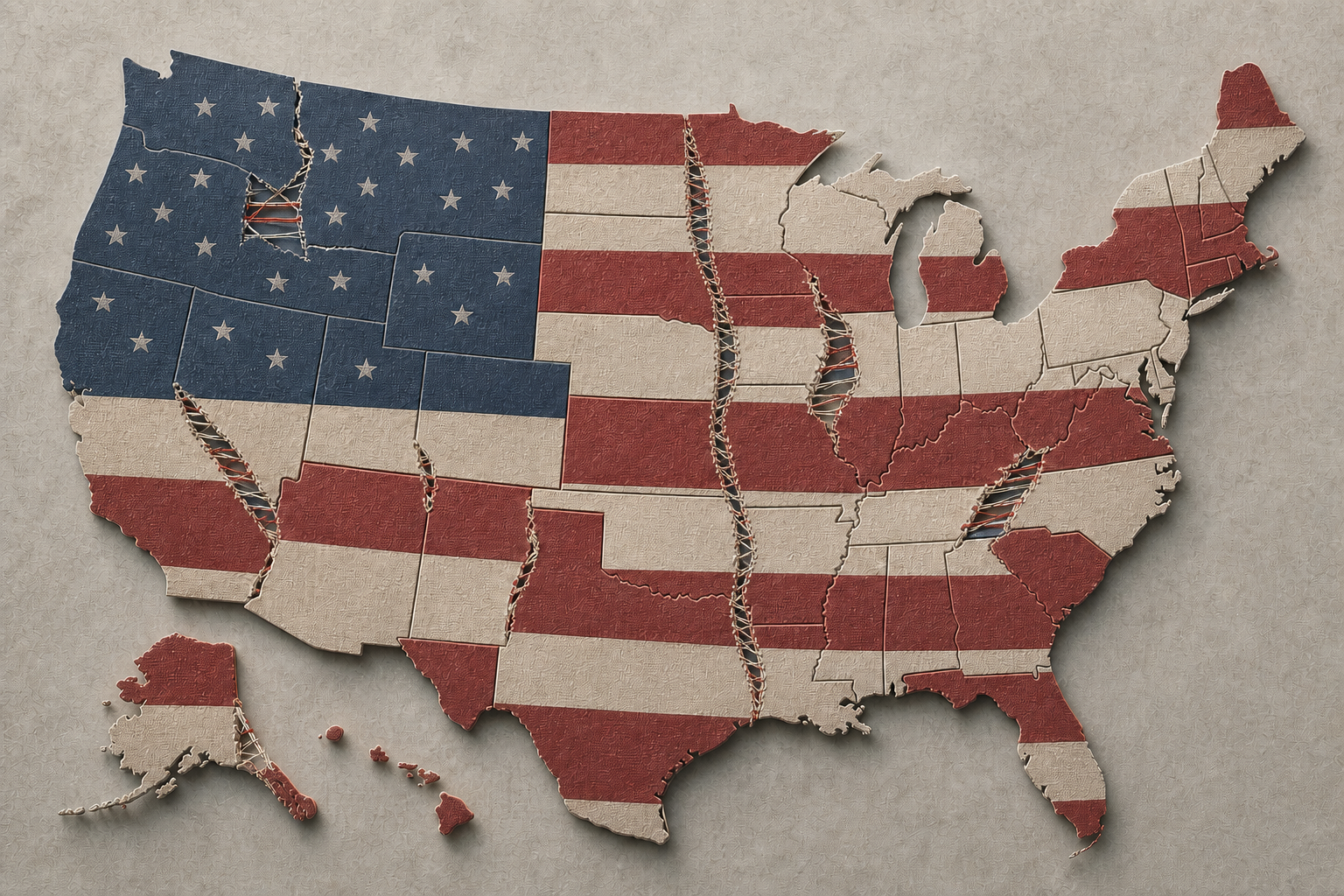
The Divided States of America
- 01Your Outrage Isn't Just Heard by Campaigns — It's Harvested, and Both Parties Built the Machine
- 01The U.S. Isn't as Divided as You Think — and a Whole Industry Is Getting Paid to Convince You It Is
- 01Your Feed Makes You Angrier at the Other Side Than Anyone in Your Actual Life Does — Because Outrage Is What It Was Built to Sell
- 01Your Anger Is the Product: How Partisan Media Gets Paid to Keep You Furious
- 01The Reason Your Representative Is More Extreme Than Your Neighbors: the Map Was Drawn So the Only Election That Matters Is a Primary You Probably Skipped
- 01Some of the Anger Is Manufactured: How Foreign and Domestic Operators Get Paid to Amplify America's Fights
- 01Most Americans Are Losing Ground in the Same Economy — While the Culture War Keeps Them Fighting Each Other Instead of the Cause
- 01You Agree With the Other Side More Than You Think — and the Research Shows What Actually Calms the Fight
See the interactive map →
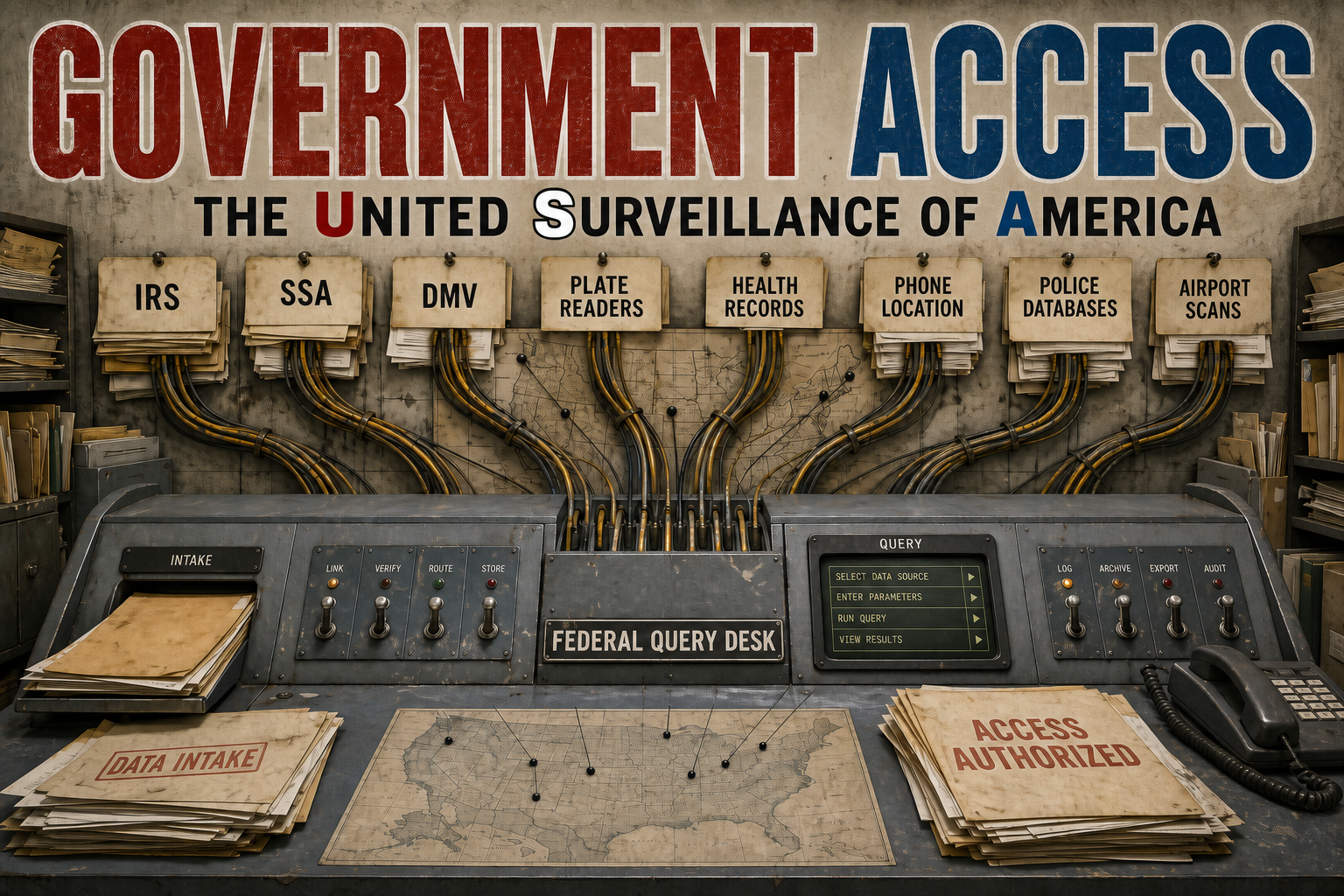
Who is watching, and what happens when it is misused?
Federal data grabs, camera networks, and drones outpacing the guardrails meant to control them — one mechanism at a time.
- 01A Federal Agency That Regulates Lawnmowers Is Now Demanding Your ER Records. Its Own Press Release Leaves Out the Part Where Hospitals Were Told It's Mandatory.
- 02Police Used License-Plate Cameras to Stalk Their Exes. One of the Officers Who Investigated the First Case Was Caught Doing the Same Thing.
- 03San Francisco Police Put Five Drone Feeds Behind a Link With No Password. The Leak Showed How Much the Drones See.
- 04Every Privacy Law in America Exempts the Government. That's Exactly Where Your Data Is Moving Fastest.
- 05He Gave Border Agents a Passcode. It Wiped His Phone Instead of Unlocking It. Now He's Facing Federal Charges.
- 06A Bipartisan Bill to Protect Kids Online Would Also Outlaw GrapheneOS's Account-less Design
- 07Home Depot Is Being Sued Three Times This Year Over How It Watches You. Its Camera Vendor Has a Playbook for Backlash Like It.
- 08Cities Are Ditching Flock for Axon. Nothing Stops Axon From Becoming Flock.
- 09One Company Analyzes Your Voice for Your Bank, Your Insurer, and the SSA. A Federal Court Just Sided With It.
- 10Your Kid's School Surveillance File Starts Before They're Old Enough to Consent. Sometimes It Ends With Police.
- 11You're Probably in a Database of 188 Million Salaries. You Never Agreed to Join It.
- 12Your Voice Assistant Doesn't Just Mishear You Sometimes. It's Listening Even When It Shouldn't Be.
- 13Three Systems Are Listening to Your Street. None of Them Need You to Do Anything Wrong First.
- 14TSA's Face Scan Is Optional. The Federal Government's Own Watchdog Found You're Rarely Told That.
- 15The FTC Banned Rite Aid From Using Facial Recognition for Five Years. It Was Already in Bankruptcy When the Order Landed.
- 16Uber Built Secret Tools to Track Cops and Rivals. Now It's the Only One of the Four Telling You How Long It Keeps Your Data.
- 17Walmart's Privacy Policy Has Let It Collect Your Face, Voice, and Fingerprints for Years. Two of Those Are Still in Court.
What exists that nobody bothered to tell you?
Rights, refunds, programs and legal tools that are already on the books — with the catch and how to use them.
- 01There’s About $70 Billion in Forgotten Money. One in Seven of Us Has Some — and Checking Is Free.
- 02Nonprofit Hospitals Have to Forgive Bills for People Who Qualify — Even After You're in Collections. Almost No One Asks.
- 03That Illegal Robocall or Spam Text Is Worth $500 — and Federal Law Lets You, Not Just the FCC, Collect It.
- 04Courts Will Waive Your Filing Fees If You Can't Afford Them. The Form Is Free — and Almost No One Fills It Out.
- 05Sign a Deal at Your Door or in a Hotel Ballroom, and Federal Law Gives You Three Days to Cancel — No Penalty, Full Refund. Almost No One Uses It.
- 06States Are Passing “Junk Fee” Laws. Every One Checked Requires Disclosure, Not a Ban.
- 07Bills Fans Paid Up to $50,000 for a Seat “License.” It Doesn’t Buy a Single Ticket.
What does aging really cost?
You get the crisis. Nobody gives you the guide. This series does.
- 01Assisted Living Costs $5,419 a Month on Average. Medicare Covers Almost None of It.
- 02There's Money Set Aside to Help Pay for Elder Care. The System Quietly Runs on You Never Claiming It.
- 03The Legal Moves That Decide Whether a Family Keeps Anything — and the Five-Year Look-Back Mistake That Wipes Them Out
- 04Elder Care Assumes Every Family Has a Full-Time Navigator. Nobody Has One. That's the Part That Breaks You.
- 05Almost Everything That Goes Wrong in Elder Care Is Decided Years Before the Crisis. Here's What to Do While You Still Can.
Whose story never becomes national news?
Deaths and disappearances the press mostly skipped — and what the pattern reveals.
- 01Some Deaths Make the News. Most Don't. And the Gap Isn't Random.
- 02Tonea Miller Died on Juneteenth. Her Family Disputes the Official Account, and the News Was a Week Late.
- 03Boston Police Took 45 Days to Tell the Public Reina Morales Rojas Was Missing. Three Years Later, She Still Is.
- 04Benita Long Vanished in 2022. The Database Built to Find Her Has Never Listed Her Name.
- 05Shemika Cosey Vanished in 2008. Her Mother Had to Put Her Into the Missing-Persons Database Herself.
- 06Jaynie Crosdale Was Gone for Months. The First Report That She Was Missing Came the Day After Police Named Her a Witness in Someone Else's Case.
What are your devices doing when you are not looking?
The mechanism underneath the product — and the switch that changes it.
- 01My Smart Glasses Record for Meta by Default. I Found the Switches That Make Them Stop.
- 02Your Phone Never Stops Talking. I Put a $20 Filter on Mine to Hear What It Was Saying.
- 03Your TV Is Watching You Watch It. Here's the Setting That Makes It Stop.
- 04Your Car Is a Data Broker With Wheels. Here's How to Make It Stop Selling You.
- 05I Graded Every App on My Phone From A to E. Instagram and PayPal Both Failed.
Was it really natural?
The frightening viral version of a disaster, followed by the documented mechanism underneath it.
- 01The Planet Isn’t Waking Up. But Some Disasters Really Are Connected.
- 02That Monster Sinkhole Isn't the Planet Waking Up. It's Usually a 53-Year-Old Pipe.
- 03No, the Earth Isn't Opening a Bottomless Pit — That Sinkhole Has a Floor
Parts 4–4 are in progress.
What is actually moving beneath the politics?
The mechanics, factions and platform vacuum reshaping the Democratic Party.