How justice actually works — who it sees, who it skips, and who pays. Decodes of the machine, never true-crime. Home of The Overlooked, Burden of Proof, and Due Process.
We report what is documented and never speculate on a cause of death. If you are in crisis, call or text 988.

The Supreme Court Will Hear the Case That Could Let ICE Detain Millions Without a Bond Hearing
Ricardo Barbosa da Cunha lived in Massachusetts for two decades, married, had two kids, and ran a small construction business -- then immigration agents arrested him and said he wasn't entitled to a bond hearing, ever, under a new reading of a 30-year-old law. Nine of 11 federal appeals courts say that reading is wrong. On October 1, the Supreme Court agreed to hear his case -- not the government's preferred alternative -- a decision that could reach as many as 6 million people.
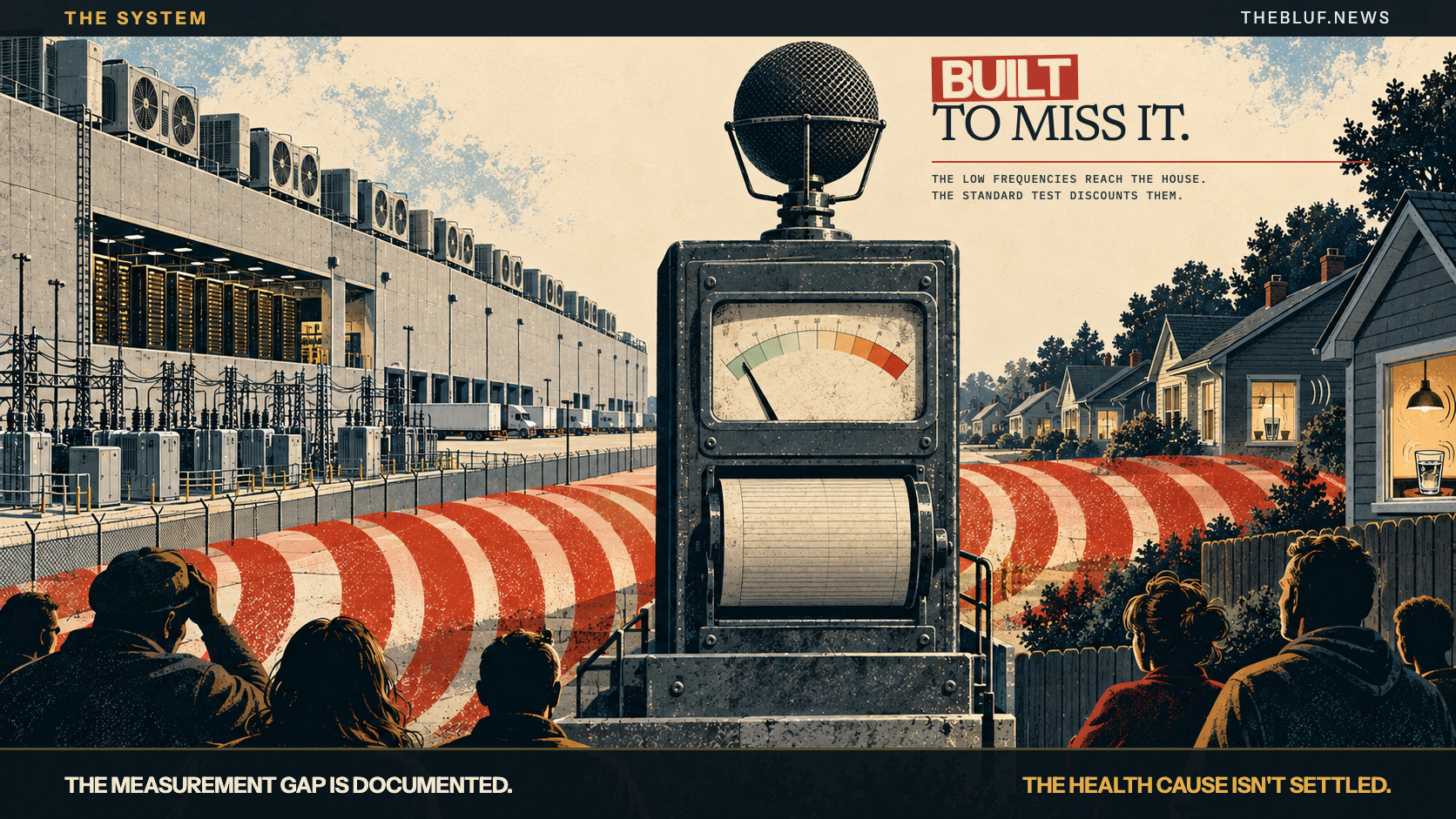
The Noise Coming Off Data Centers Might Be Making Neighbors Sick — and the Meter Cities Use to Check Can't Actually Hear It
People living near data centers report real, disruptive symptoms — headaches, nausea, insomnia, high blood pressure — that they link to a constant low hum and infrasound their homes can't escape. Whether that sound is actually causing those symptoms is a genuinely open scientific question. What isn't in question: the noise meters cities use to enforce local rules are built in a way that specifically misses the exact sound these buildings make. A data center can pass a legal noise test and still be pumping real, unmeasured low-frequency sound into nearby homes.

This Order Was Sold as Stopping Political Violence. Here's How It Got Weaponized Instead.
Last September, Trump signed an order to stop "organized political violence." Since then, the government has used it to spy on America's largest union, investigate nonprofits' bank records, and help a state brand a Muslim civil rights group "terrorists" — while the one time it's produced an actual terrorism conviction, the "threat" it caught was a small group that had already shot at a police officer. That gap between what this policy was sold as and who it's actually hit is the story.

AᵢPOCALYPSE NOW?
The warnings are reaching the public. The power to slow AI down sits with the labs, Congress, and investors — and almost all of them are still speeding up. Here's what's actually being warned about, who actually has to act, and the one time it's already worked.
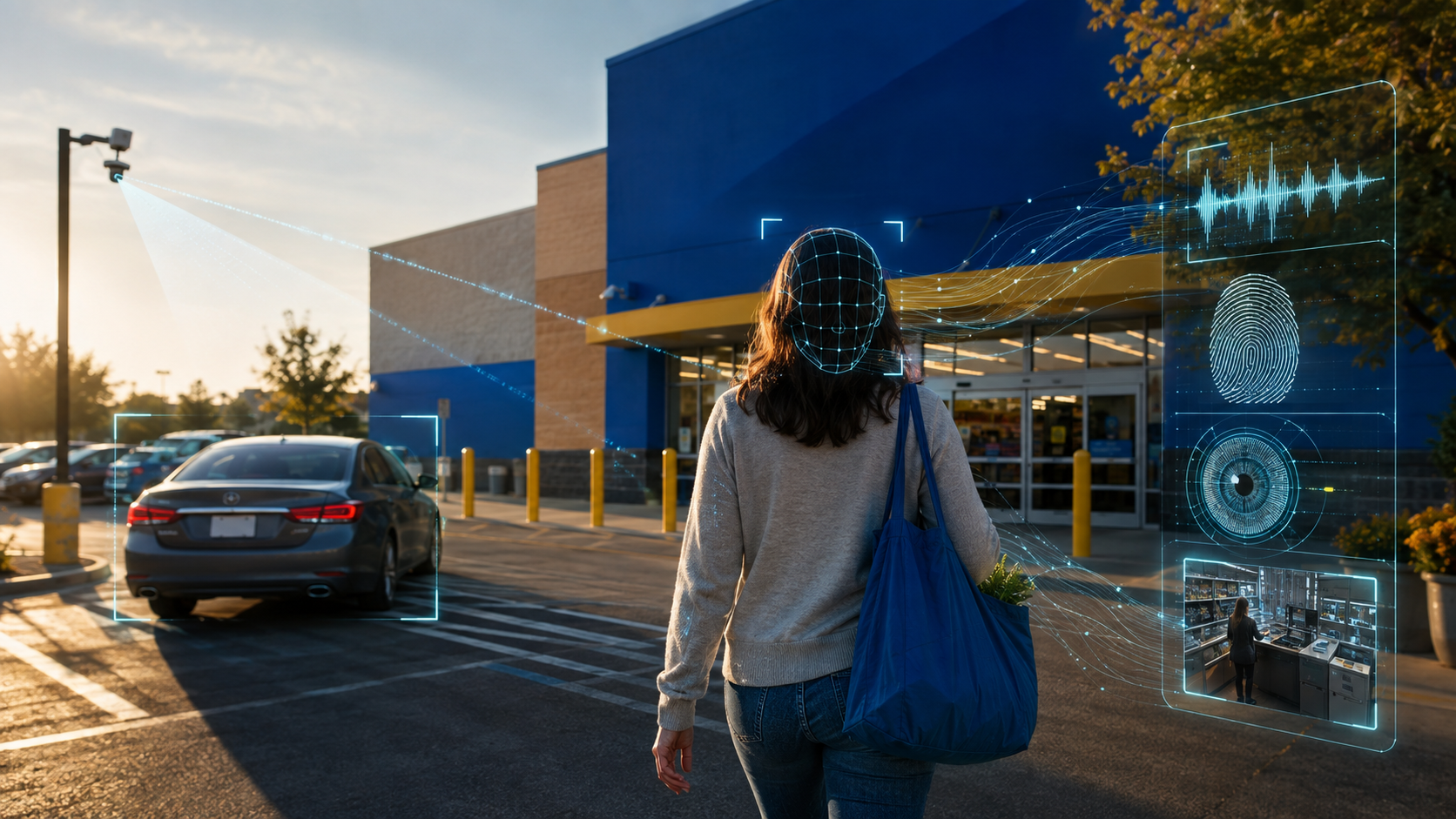
Walmart's Privacy Policy Has Let It Collect Your Face, Voice, and Fingerprints for Years. Two of Those Are Still in Court.
Walmart's privacy policy has quietly authorized collecting your voiceprint, face geometry, iris or retina imagery, and fingerprints for years — not a new disclosure, just one almost nobody reads. It's newly relevant because two Illinois lawsuits are active right now over exactly two of those categories: a customer voiceprint suit over its AI phone system, and a separate employee suit over fingerprint time clocks. A third suit, alleging Walmart used facial recognition against shoppers, was filed and then voluntarily dismissed in 2022 — Walmart denied the underlying claim at the time, and this pass found no sign the case was revived.
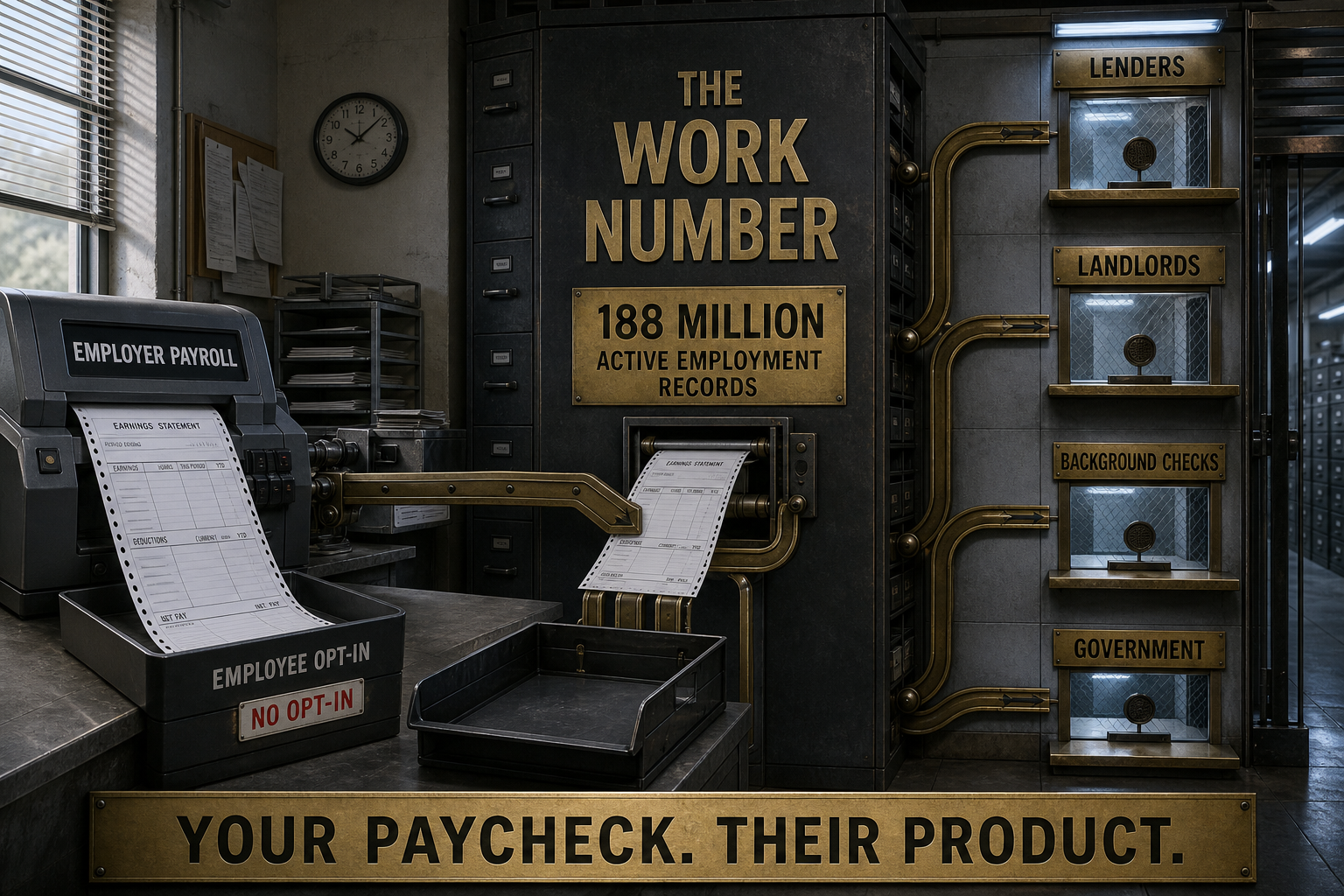
You're Probably in a Database of 188 Million Salaries. You Never Agreed to Join It.
A single Equifax product called The Work Number holds active salary and employment records on 188 million people — sent in automatically by employers' payroll systems, with no consent step for the employee whose data it is. Lenders, landlords, and background-check firms buy access to it. So does the government: roughly half of U.S. states already use it to verify Medicaid and SNAP eligibility, and three senators are now investigating Equifax's plans around a new federal work-requirement law, after the company's CEO told investors it represented a "massive" business opportunity.
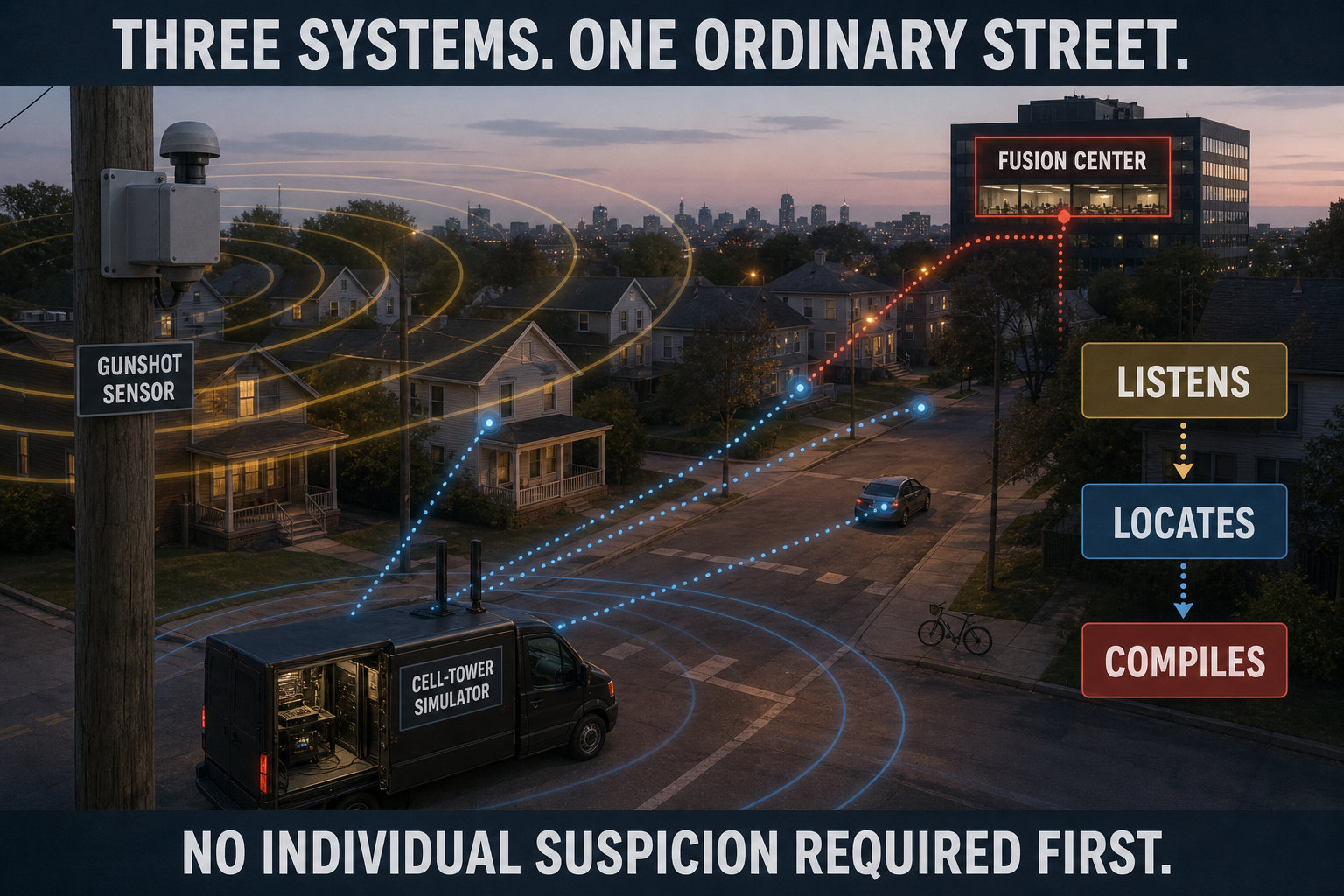
Three Systems Are Listening to Your Street. None of Them Need You to Do Anything Wrong First.
A microphone on a pole is listening for gunshots near your home — and three separate government audits found it's wrong 85 to 89 percent of the time. A device that can fake a cell tower can pull your phone's location out of the air along with everyone else's nearby — and ICE's spending on them is growing, not shrinking. And a network of roughly 80 regional intelligence hubs built after 9/11 to catch terrorists spent over a decade compiling files on ordinary people instead — a 2012 Senate investigation found it never once caught a plot, and a 2026 case shows the same pattern is still happening.
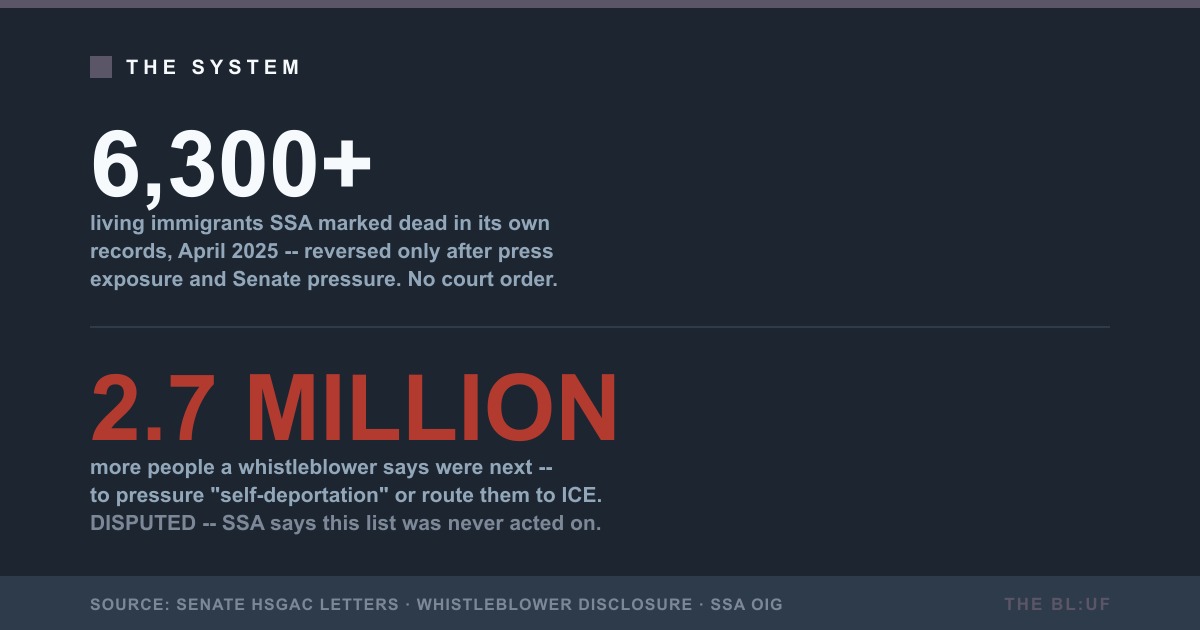
The Government Marked 6,000 Living Immigrants as Dead. A Whistleblower Says a Much Bigger List Was Coming Next.
In April 2025, the Social Security Administration marked more than 6,000 living immigrants as dead in its own records -- at least 6,300, per Senate Finance Committee letters and contemporaneous reporting -- later reversed. A former career SSA official, Jeremiah Schofield, has now come forward to say that was the smaller version of a larger plan: DOGE staffers detailed to SSA and DHS wanted to mark 2.7 million more people dead, with the explicit goal, per Schofield's account of a DOGE staffer's own words, of pressuring people to "self-deport" or routing them to ICE when they showed up to prove they were alive. SSA disputes the 2.7 million figure was ever acted on, and Commissioner Frank Bisignano has denied under oath that living people have been added to the death file "from the day I've been here" -- a true statement about his own tenure, which began a month after the April 2025 episode. Congress says the agency's broader answers on DOGE's conduct at SSA have been "inadequate."
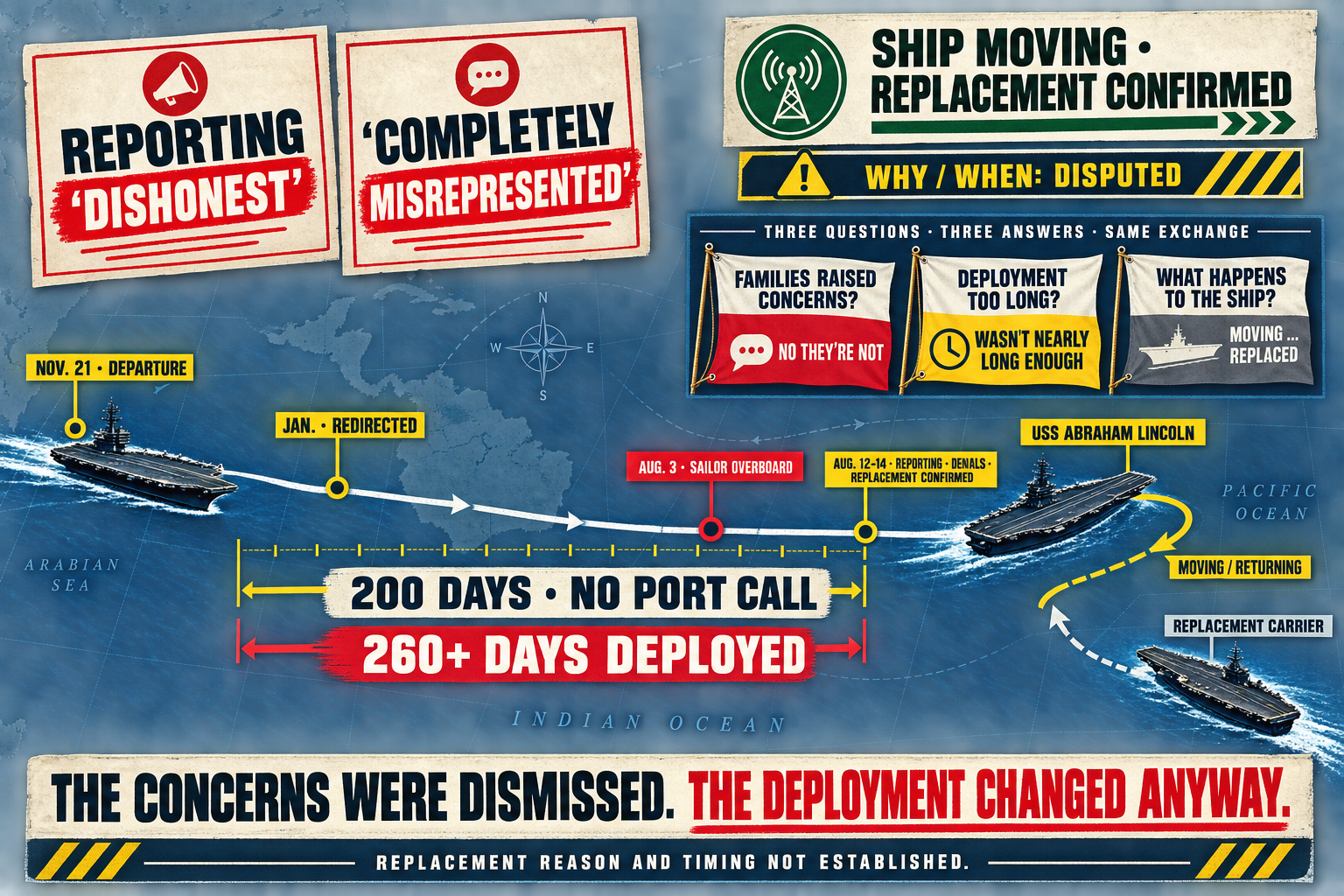
Officials Called the Reporting on USS Lincoln's Sailors “Dishonest.” The Ship Is Being Replaced Anyway.
A sailor went overboard from the USS Abraham Lincoln on August 3rd. The Navy called it a mental health episode. By mid-August the carrier had gone 200 days without a single port call -- a modern-day record -- inside a total deployment past 260 days, and lawmakers were demanding answers. The Pentagon's response wasn't just denial. The Acting Secretary of the Navy accused the media of painting "our warriors as victims" and called the concerns "dishonest," the same week he'd personally heard those concerns from military spouses at a town hall. The Defense Secretary called the reporting "completely misrepresented." Asked directly whether families had raised concerns, the President said "No they're not," then, asked separately whether the deployment had gone on too long, said it "wasn't nearly long enough" -- and in the same appearance with reporters, confirmed: "That ship is moving right now or very shortly, and it's being replaced with another very similar ship." A retired two-star general called it what it is: "Now they're actually spewing lies."
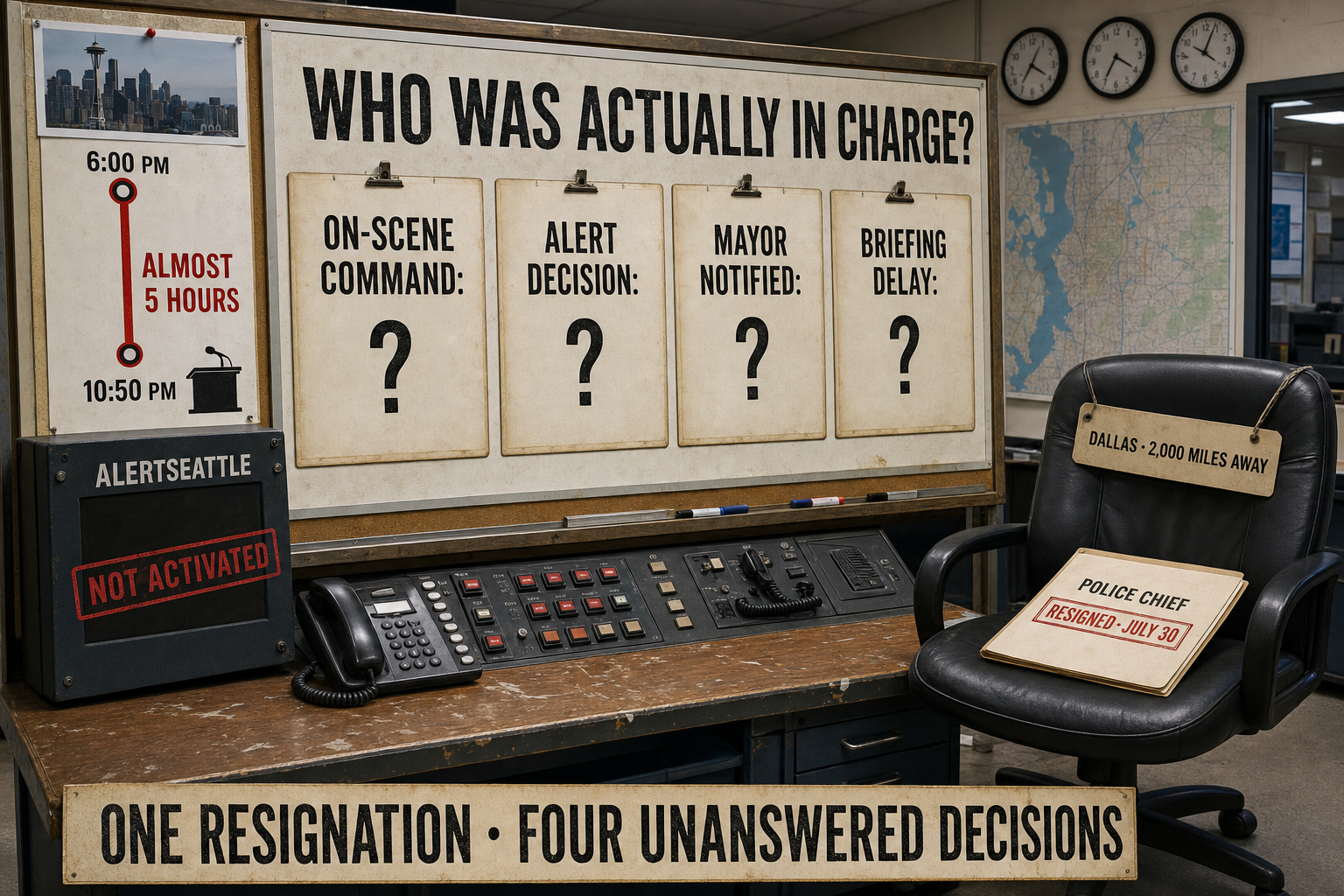
Seattle's Police Chief Resigned Over the Festival-Shooting Response. He Was in Dallas — So Who Was Actually Running It?
Seattle Police Chief Shon Barnes resigned under pressure on July 30 over the city's response to the Bite of Seattle festival shooting — a mass shooting that killed three and wounded four more, then left the public with almost no official information for nearly five hours. But Barnes was in Dallas when it happened. The emergency alert that was never sent isn't run by the police chief. Two assistant chiefs were on the ground in Seattle. And the mayor herself was issuing public statements — some of them wrong — within hours. Every question about who was actually in charge that night, who chose to keep the city silent, and when the mayor was told runs into the same wall: the city hasn't said. The one accountability question that got a clean answer is the one aimed at the man who wasn't in the room.
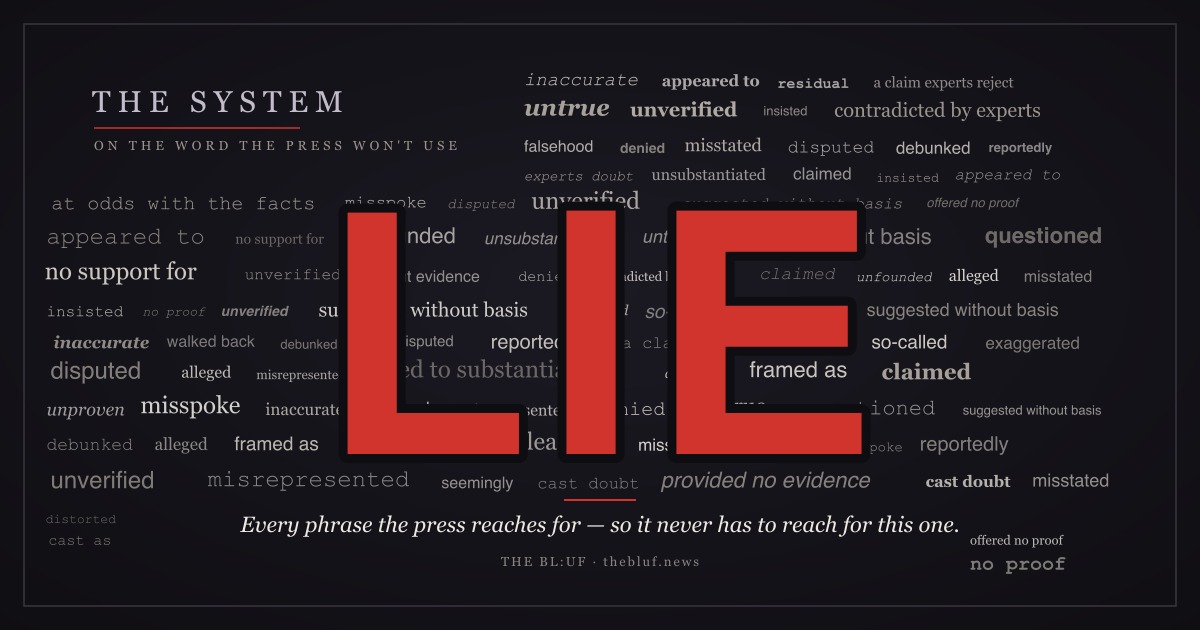
“Lie” Is the One Word Newsrooms Won’t Put on the Powerful — and the Reason Mostly Isn’t Cowardice.
English has a precise word for knowingly saying what isn't true: a lie. Watch how rarely it lands on a president or a prosecutor, even when the claim falls apart on contact — “without evidence,” “baseless,” “unsubstantiated” instead. That restraint is mostly not cowardice; it's a stack of real reasons, legal and linguistic and institutional. But the blank where the word should be is itself the story — because it sits exactly where accountability is supposed to be, and the powerful have learned to live inside it.

FIFA Scrapped the $20 Billion World Cup Sale. Its Own COO Broke Ranks — and UEFA Says It's Lost Confidence in Infantino.
FIFA killed its own $20 billion World Cup stake-sale plan on July 31, one day after 143 national associations across three confederations came out against it. That didn't end the crisis: FIFA's own Chief Operating Officer publicly broke with Infantino the same day, a senior adviser resigned calling it "a bad deal for football," and UEFA says it has lost confidence in his leadership -- with Infantino reportedly told, privately, to resign or face a formal vote to remove him. He has not stepped down.

Jaynie Crosdale Was Gone for Months. The First Report That She Was Missing Came the Day After Police Named Her a Witness in Someone Else's Case.
Jaynie Crosdale's family called her J-Bird. She was 36, the fastest runner at her elementary school, and by her cousin's account the kind of person who could talk to anybody. Prosecutors now say she was killed sometime between June and October of 2022 — but no one filed a missing-persons report on her until January 12, 2023, one day after Excelsior Springs police released her photo and called her a possible witness in a kidnapping case. The Kansas City Police Department's explanation for why it had not been looking for her is accurate, and it is the whole problem: nobody had told them she was gone.
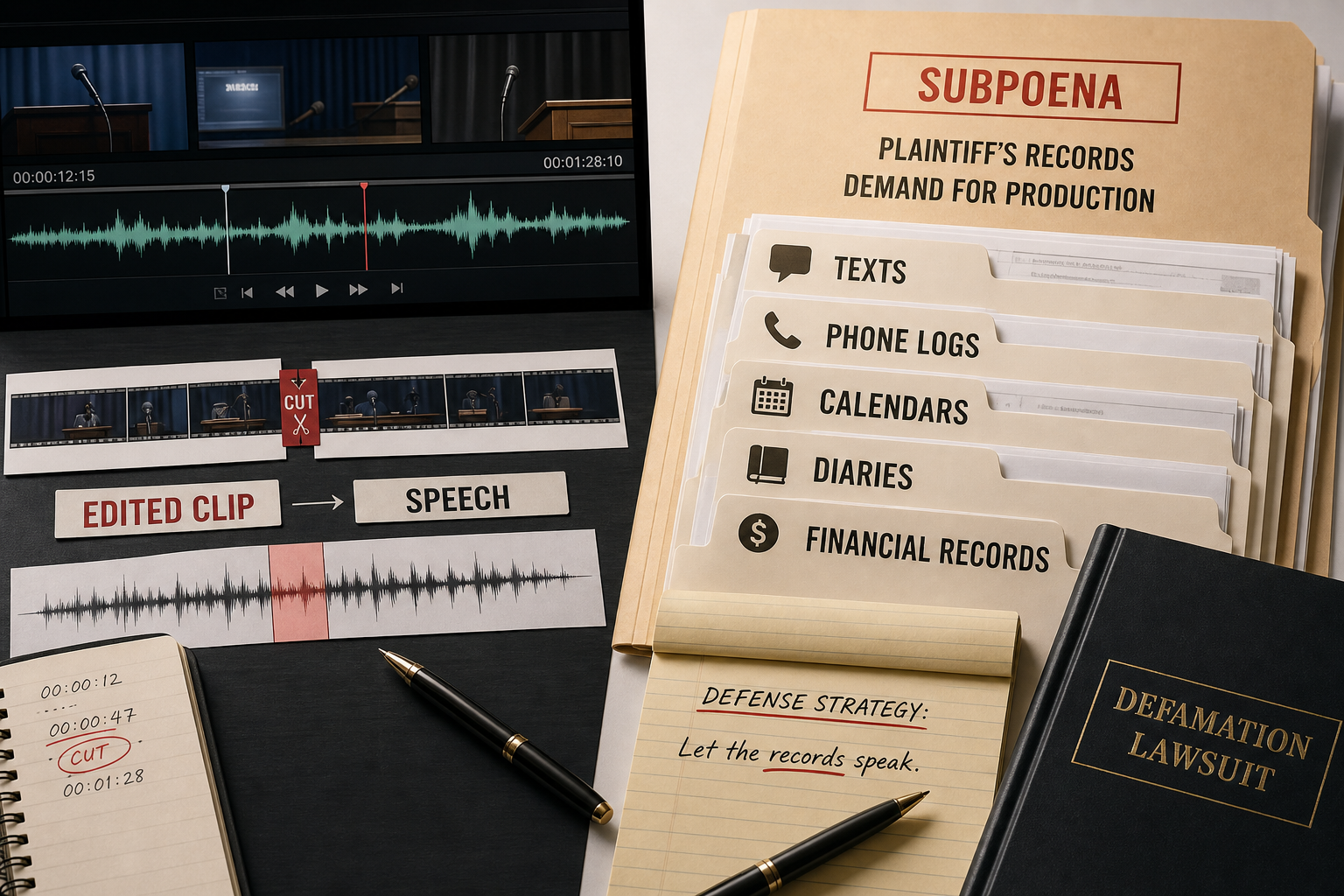
Trump Is Suing the BBC for $10 Billion Over an Edited Speech. The BBC's Defense Strategy: Subpoena His Own Texts.
A BBC Panorama documentary spliced parts of Trump's January 6, 2021 speech together into what looked like one line telling the crowd to march on the Capitol and "fight like hell." The BBC apologized; two of its top executives resigned. Trump then sued for $10 billion. Now, to defend the case, BBC's lawyers are demanding Trump hand over his own personal texts, phone logs, calendars, and diaries from the day of the riot, plus financial details on roughly 400 companies in his family's revocable trust — a federal judge already ordered the financial records turned over. Trump's team is fighting the rest, citing executive privilege, a claim that's legally contested since privilege normally covers official government deliberations, not personal business records.
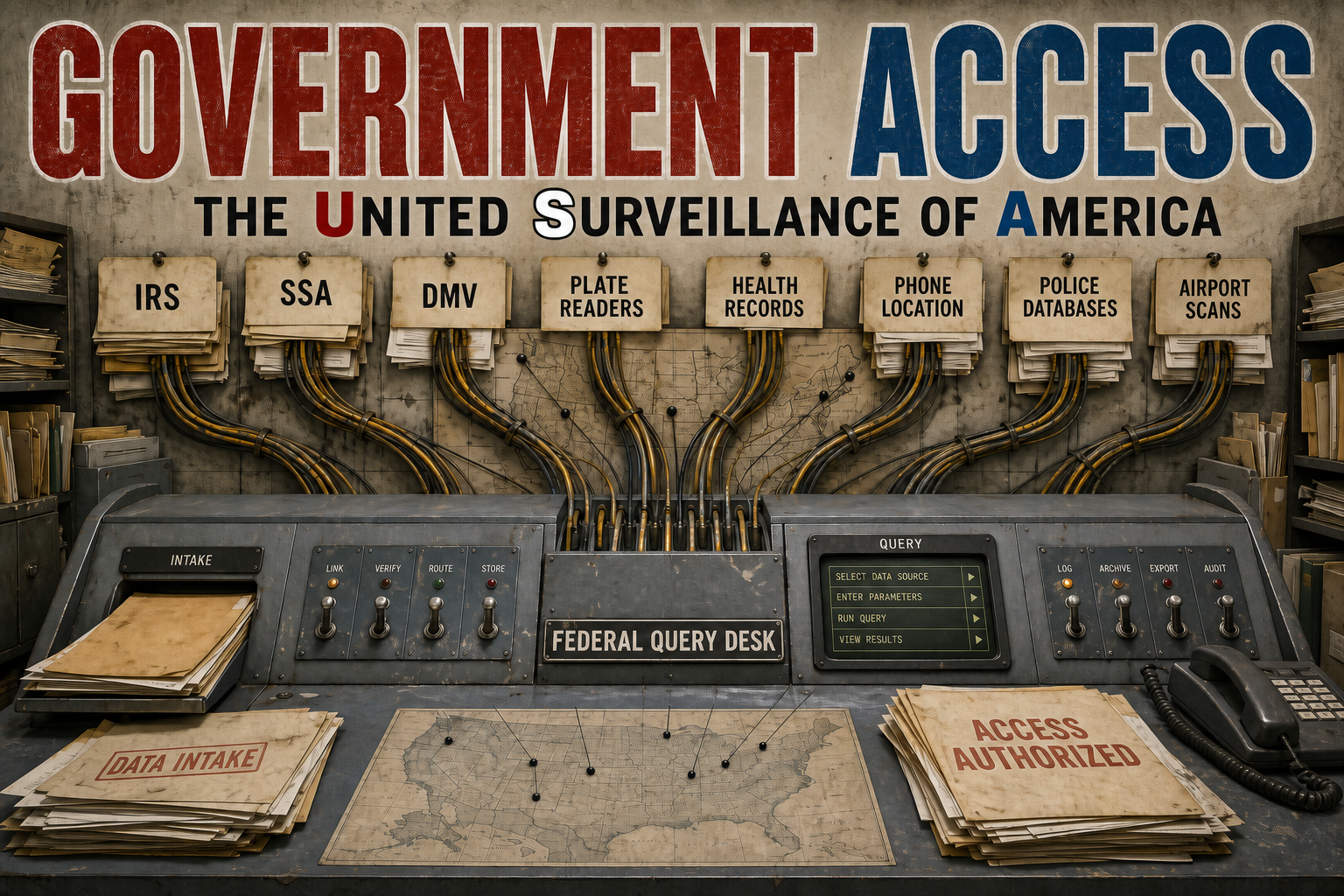
A Federal Agency That Regulates Lawnmowers Is Now Demanding Your ER Records. Its Own Press Release Leaves Out the Part Where Hospitals Were Told It's Mandatory.
The Consumer Product Safety Commission — the agency that recalls dangerous toys and coffeemakers — is quietly pushing at least 100 hospitals to hand over identifiable emergency-room records for every patient, not just consumer-product injuries: names, addresses, diagnoses. A private Kansas contractor, Konza Health, is running the pipeline under a contract worth up to $15.9 million. Internal correspondence calls hospital participation "mandatory." Federal law requires public notice and a comment period before any agency collects information from 10 or more entities — CPSC hasn't done it, and its own spokesperson admits that. And when CPSC finally announced the program publicly, its press release never mentioned Konza by name, never mentioned that hospitals were told sharing was mandatory, and never mentioned the legally required public notice it hasn't filed.
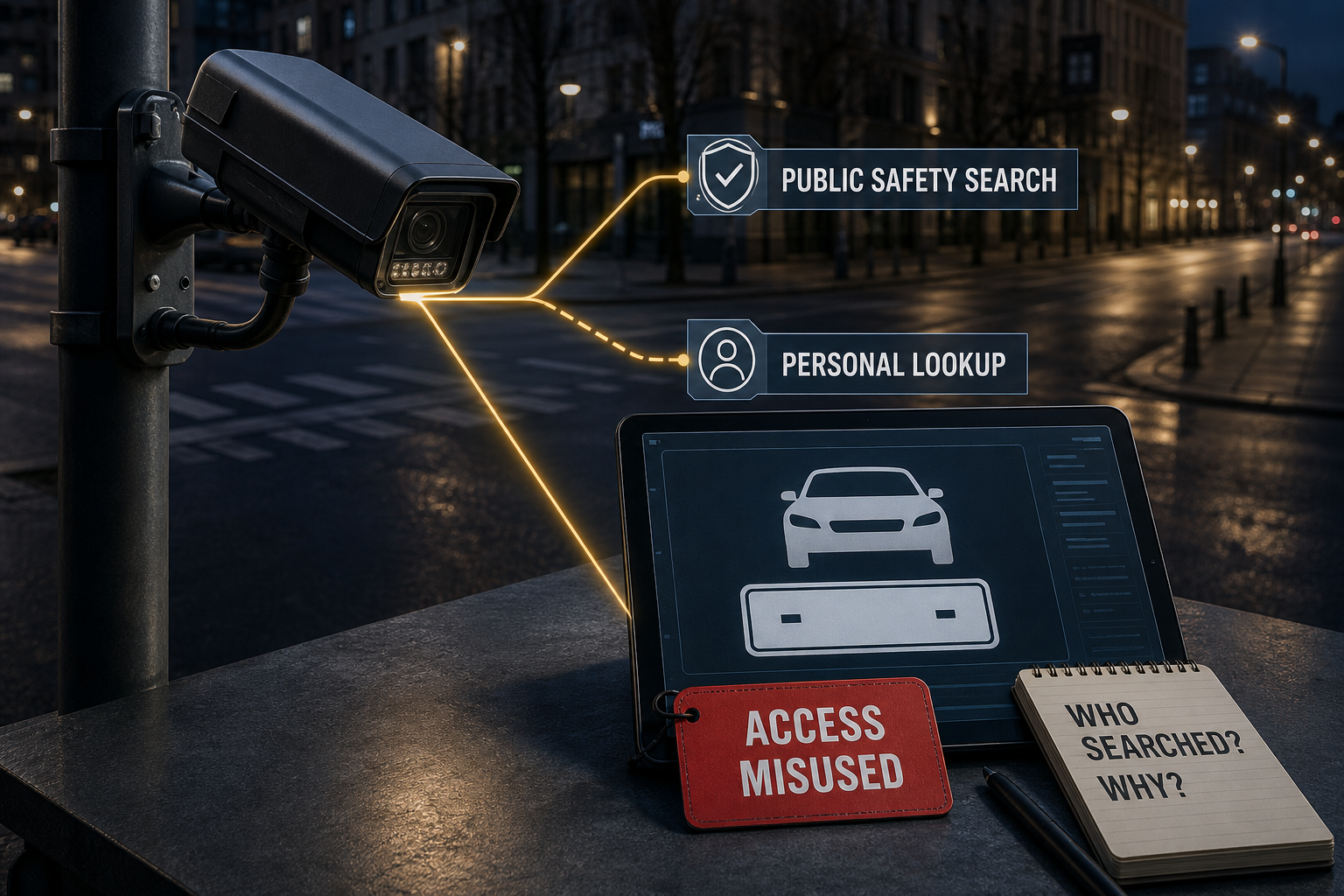
Police Used License-Plate Cameras to Stalk Their Exes. One of the Officers Who Investigated the First Case Was Caught Doing the Same Thing.
Milwaukee police officer Josue Ayala used the department's Flock license-plate-reader system to look up his romantic partner's location 124 times and her ex's location 55 times. He resigned and pleaded guilty. One of the two detectives assigned to investigate him, Tehrangi Chapman, was later charged with the same kind of misuse — tracking two people himself and secretly planting a GPS tracker on one of their cars. Georgia's state investigators have arrested five more officers this month for the same pattern; two more were fired in South Carolina. An Institute for Justice count puts documented cases like this at two dozen and climbing. And in Norfolk, Virginia — Flock's own backyard for one of the most consequential pending court fights over whether any of this requires a warrant in the first place — the city just voted to add more cameras, not fewer.

Every Privacy Law in America Exempts the Government. That's Exactly Where Your Data Is Moving Fastest.
Three separate government surveillance stories broke this month — a police drone leak, license-plate cameras used to stalk exes, a consumer-safety agency demanding hospital ER records — and they're the same story: agencies are sharing and buying data across walls that used to separate them, almost always without a public vote. The part almost no coverage gets to: every one of America's 20 state privacy laws, and the federal proposals that died before becoming law, explicitly exempts government from the rules that bind companies. Add in the terms-of-service agreements nobody reads — a 2008 study put the reading time at roughly 244 hours a year, popularized since as "76 work days" — and the honest answer is that citizens have a little real recourse against companies and functionally none against the government programs documented here.
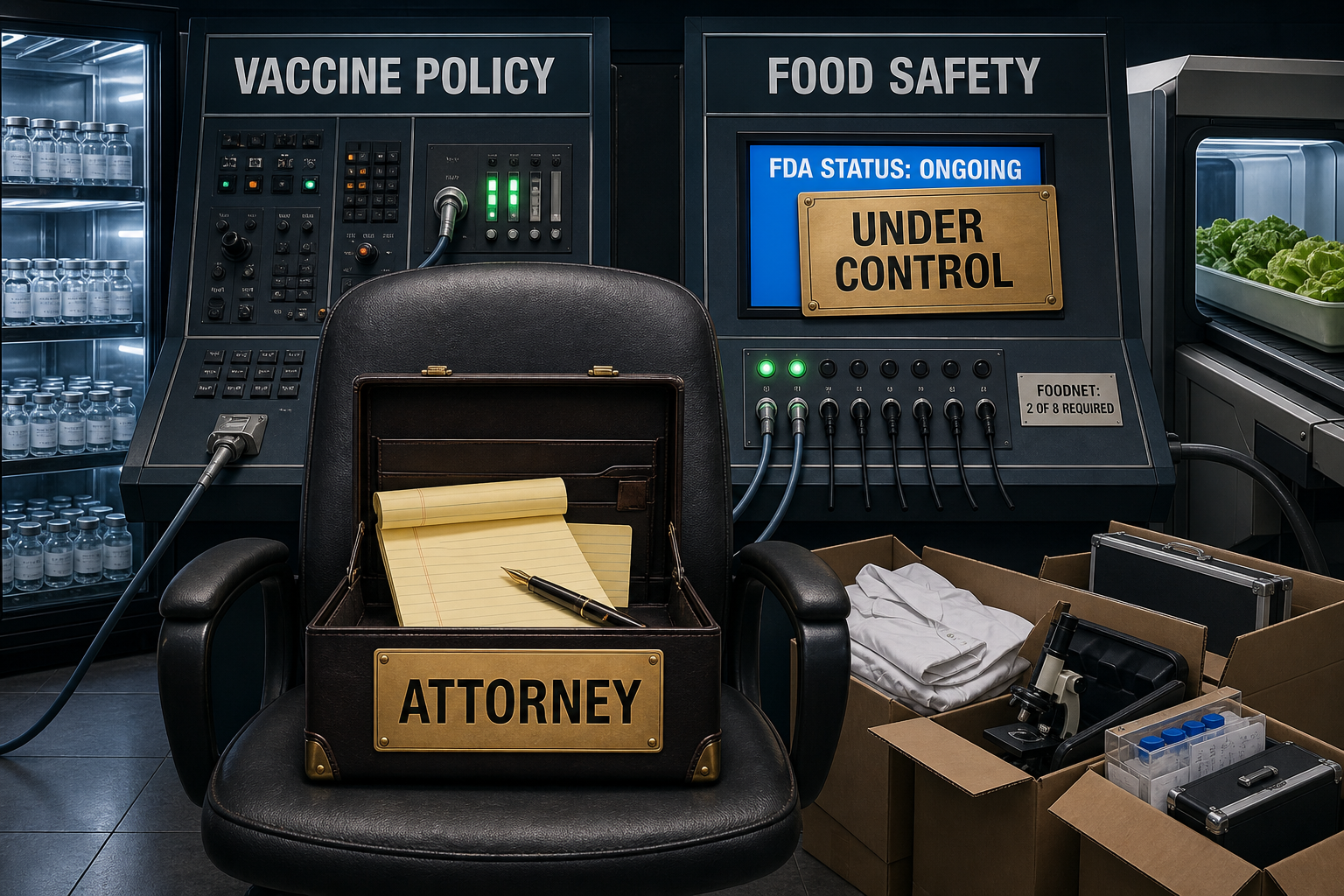
RFK Jr. Said the Outbreak Was ‘Under Control.’ His Own FDA Had Already Said the Opposite.
The man in charge of America's vaccine and food-safety infrastructure fired the CDC's vaccine advisory panel, cut food-safety surveillance, had his signature vaccine-schedule policy blocked by a federal court, and is now on the record calling an active outbreak "under control" — days after his own agency's evidence fell apart and a foreign government publicly disputed his account.
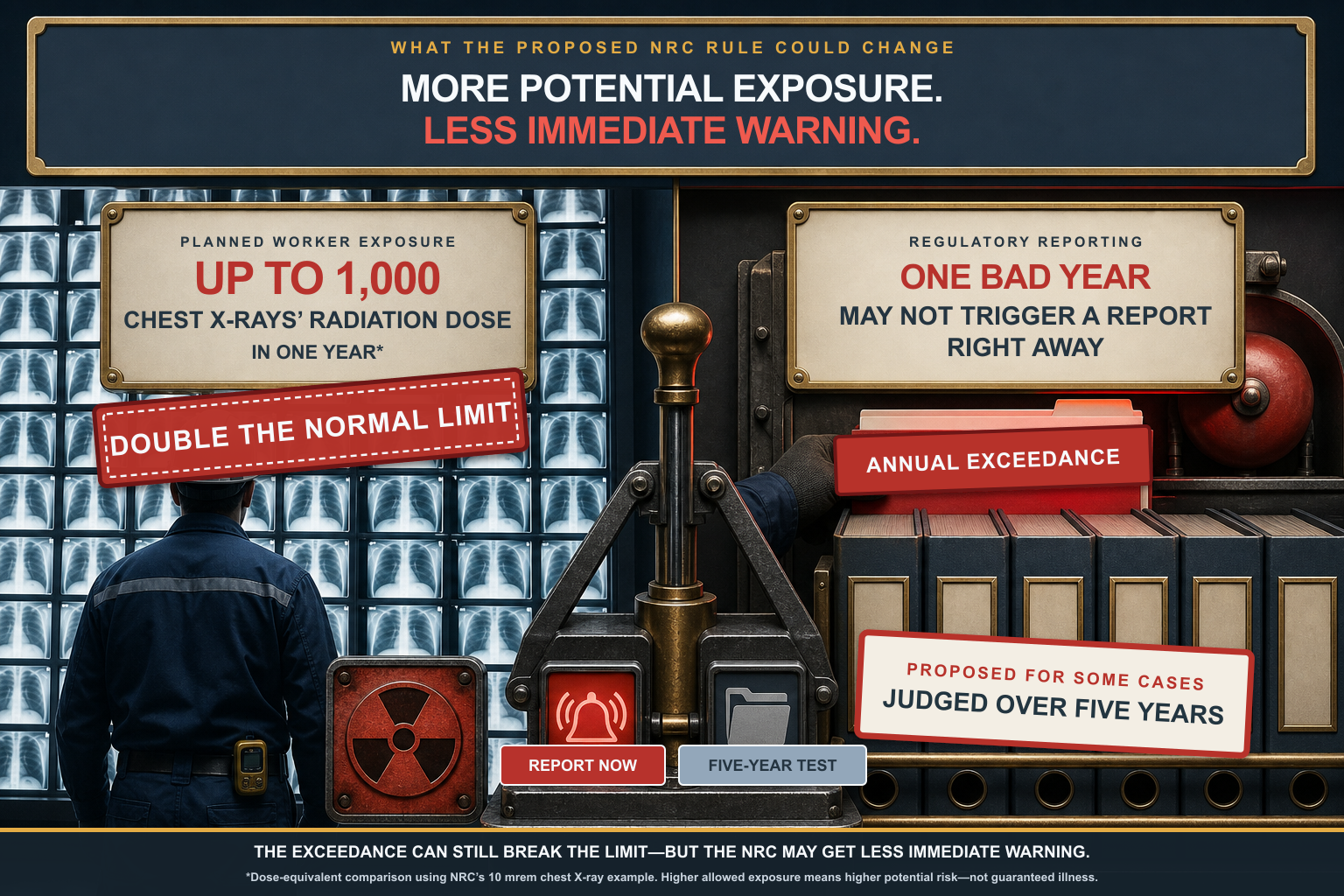
To Build Nuclear Fast Enough for AI, the NRC Wants to Kill the 50-Year Rule That's Kept Radiation Exposure Low
For 50 years, US nuclear facilities have had to follow a rule called ALARA — keep radiation exposure "as low as reasonably achievable," on top of hard legal dose limits. The Nuclear Regulatory Commission wants to kill it, as part of a broader rule change the agency's own analysis estimates saves industry about $9.5 million a year overall. The reason traces directly to one thing: an executive order telling the NRC to help quadruple US nuclear capacity by 2050 to feed surging electricity demand from AI data centers. Officials say the hard dose limits themselves aren't changing. Having read the actual 164-page proposal, that's true in the narrowest sense — the headline numbers stay on the books — but the document changes how three of those limits actually work in practice: how much a worker can receive in a single year, how high a public dose limit can go with NRC sign-off, and whether an overexposure even has to be reported.

No Treaty Binds America to Israel. A System Does — and It's Only Cracking on One Side of the Aisle.
There's no mutual-defense treaty, and the exceptional part was never the money — it's the UN veto no senator's primary ever turned on. Six reasons hold the relationship up, and no single one is the answer. What decides it is a price: challenging the default costs a politician, keeping it costs someone else. Democrats have doubled their votes against it in seventeen months. Not one Republican has moved.

The Slavery Exhibit Is Back. The History Is Thinner.
The government did not erase slavery from the President's House entirely. It replaced a memorial built around nine enslaved people with an account that gives George Washington more room and slavery less detail.
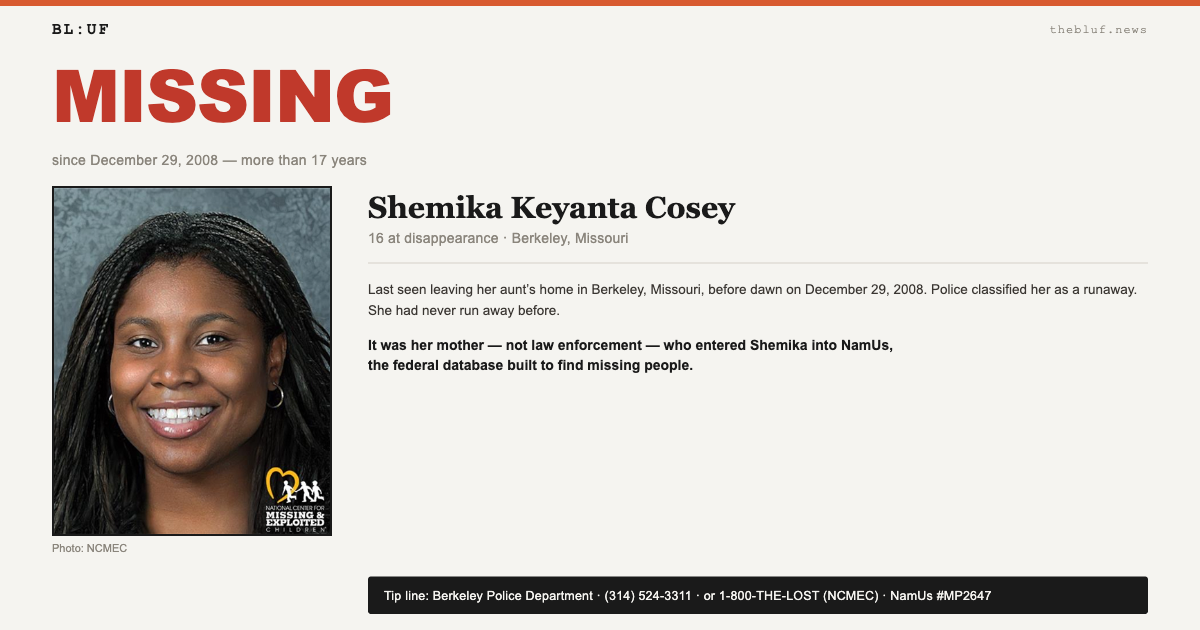
Shemika Cosey Vanished in 2008. Her Mother Had to Put Her Into the Missing-Persons Database Herself.
Shemika Cosey was 16 when she disappeared from her aunt's home in Berkeley, Missouri, in December 2008. Police called her a runaway. It was her mother, not law enforcement, who entered her into NamUs, the national database meant to find missing people. In February 2026, Berkeley Police confirmed the case has been reopened.

The FBI Director Tied a Career Agent's Job to Purging Colleagues Who Investigated Trump — the Agent Says, on the Record.
Kash Patel has removed senior agents in Atlanta, New York, New Orleans, and Miami — all tied to prior investigations of Donald Trump. The FBI's own agents' association calls it "a campaign of erratic and arbitrary retribution." A fired former acting FBI director says on the record that Patel tied his job security to helping carry it out.

The Defense Secretary Invited His Mentor to Preach Inside the Pentagon. Here's Who That Mentor Is.
Pastor Doug Wilson wants the 19th Amendment repealed — he told NPR so, and said the reason is that it's "a good idea." In February, Defense Secretary Pete Hegseth had him preach inside the Pentagon, on the Defense Department's own TV network, and thanked him on stage for his mentorship. The Pentagon says Hegseth doesn't share Wilson's view on women voting.
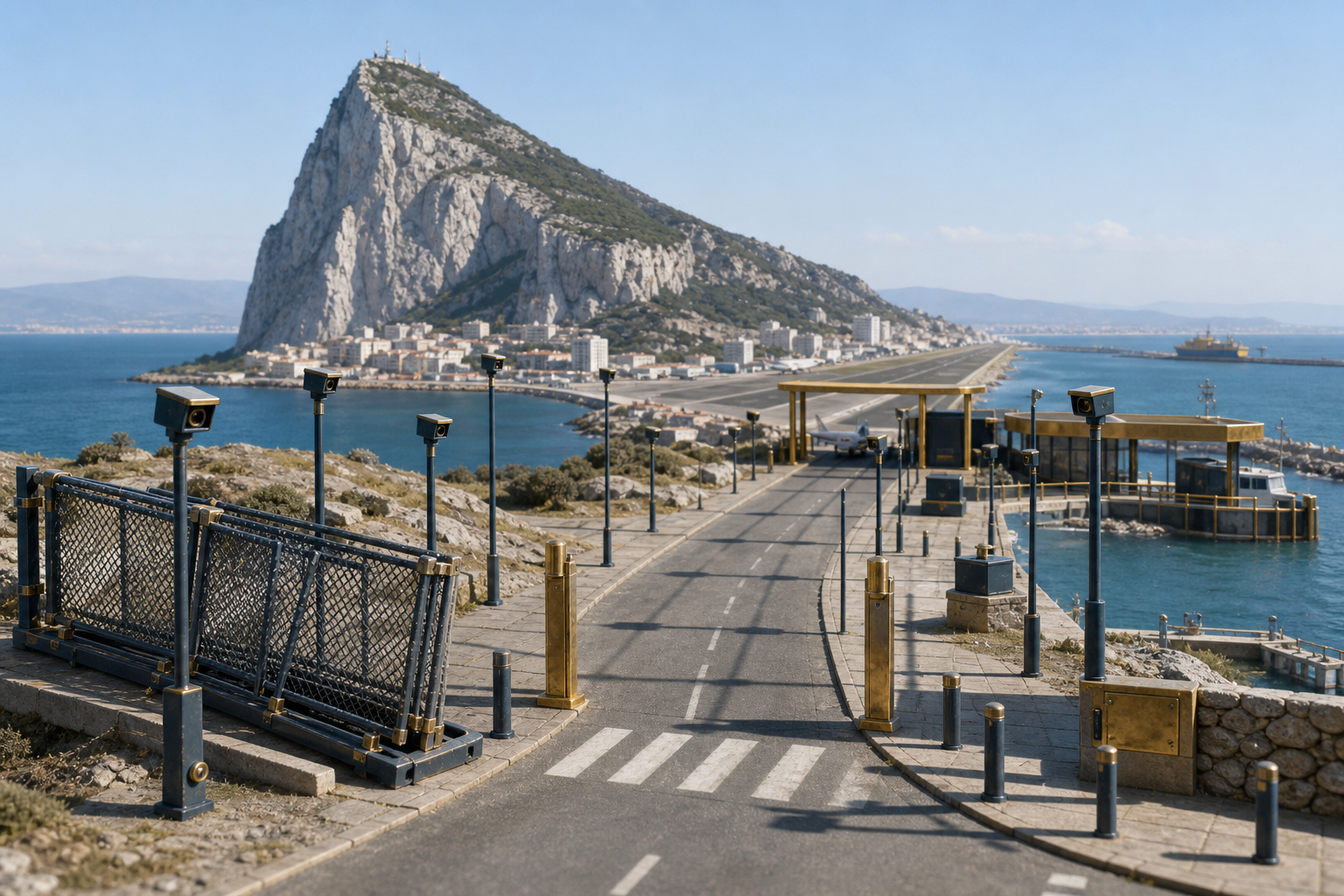
Gibraltar's Border Didn't Disappear. It Moved to the Airport, the Port, and the Camera Network.
Britain and the EU tore down the fence at Gibraltar's land border with Spain — a real win for the 15,000 people who cross it daily for work. But the checks didn't vanish. They moved to the airport and port, where Spanish officers now check you too. And the fence was replaced by 26 cameras, facial recognition, and plate readers.

Britain's New Law Can Punish What You Say About Iran's Revolutionary Guard. What Matters Is Why You Said It.
Britain didn't label Iran's Revolutionary Guard a terrorist group. It built a new kind of ban instead — one where saying you support the group can carry 14 years in prison, but only if you say it for a reason that hurts Britain. The government says that condition protects ordinary speech. No court has tested where the line falls.

A Website Bug Exposed Peter Thiel's Secret Society. The Real Scandal Isn't the Secret — It's How Rarely We Catch One.
A misconfigured website — not a hack — leaked member and attendee data from Dialog, a private networking society Peter Thiel co-founded in 2006. The viral claim that Jeffrey Epstein was invited is false: two other people forwarded him their own invitations, and a different, fully-identified 'Jeff Epstein' appears on a leaked list. What's actually documented: a badly-secured but otherwise unremarkable version of something powerful people have always done in private. The real story isn't that this happens. It's that we almost never get to see it when it does.
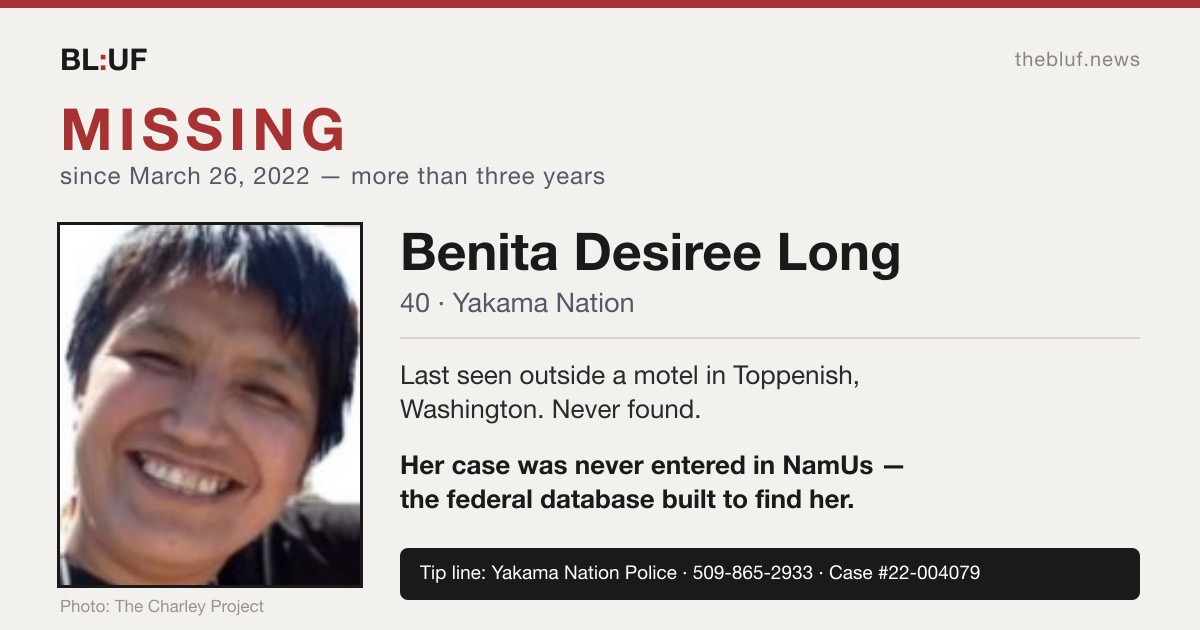
Benita Long Vanished in 2022. The Database Built to Find Her Has Never Listed Her Name.
Benita Long, a 40-year-old Yakama Nation member, was last seen outside a Toppenish, Washington motel on March 26, 2022. More than three years later she is still missing — and her case was never entered into NamUs, the federal system that exists to connect missing people with unidentified remains. In most states, including hers, entering a missing adult isn’t required by law.

America Runs on a Contribution It Refuses to Invoice. Now It's Un-Invoicing the Record, Too.
Black Americans are roughly one in seven people in this country, a third of its home health aides and postal clerks, nearly a third of its enlisted women, the authors of the music genre America streams more than any other — and the largest single financial asset in the pre-Civil War American economy. That contribution has always come with the credit and the payment quietly withheld: a $50 buyout for a song that built a genre, a $500 check for a hit that made someone else a fortune, farmland taken by the millions of acres, riot claims filed and denied. This piece calls that pattern the un-invoicing — extraction with the receipt voided. For most of American history it ran headless, no memo, just a thousand separate hands reaching for the same thing. In the last eighteen months, for the first time, it has a signature: a named executive order, a dated letter, a 500-plus-item government spreadsheet — and, as of five days ago, a federal court that just let the un-invoicing continue.

The Actress Who Plays a Detective Who Believes Survivors Spent 16 Years Fighting the Real Rape-Kit Backlog. In 2026, the Last State Finally Passed a Reform Law — and She Says the Work Isn't Done.
Mariska Hargitay — Olivia Benson on Law & Order: SVU — turned a TV role into a two-decade campaign over the hundreds of thousands of rape kits that sat in storage, untested, for years. In May 2026, with Maine the final holdout, every state plus D.C. and Puerto Rico had passed at least one rape-kit reform law. The honest part, in her own words: passing laws isn't the same as testing the kits — "we are far from done."
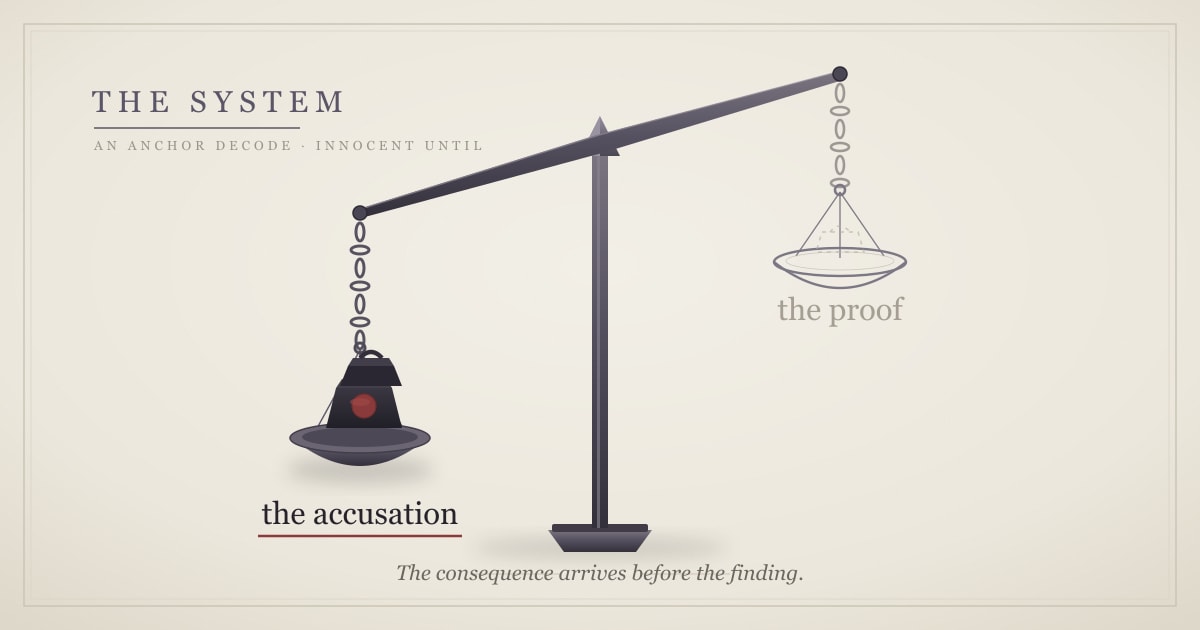
“Innocent Until Proven Guilty” Is a Courtroom Rule. Everywhere Else Quietly Repealed It.
The presumption of innocence is one of the most repeated phrases in American life — and one of the most misunderstood. It is a rule for courtrooms: a burden the government must carry before it can take your freedom. It was never binding on your employer, your party, your neighbors, or a feed. So consequence now arrives on the accusation alone, before anyone has proven anything. That's a real danger to the wrongly accused. It is also, uncomfortably, the same machinery that buried real victims for generations. The problem in both directions is one thing: punishment that tracks the accusation instead of the proof.

Boston Police Took 45 Days to Tell the Public Reina Morales Rojas Was Missing. Three Years Later, She Still Is.
Reina Carolina Morales Rojas, a 41-year-old mother of two from El Salvador, was last seen getting into a silver van in East Boston on Nov. 26, 2022. Her family reported her missing two days later. Boston police didn't tell the public for 45 days — a delay the department itself calls a "misstep." That same winter, another missing Massachusetts woman was national news within days. Reina has never been found.

Some Deaths Make the News. Most Don't. And the Gap Isn't Random.
When someone goes missing or is found dead, whether the country hears their name isn't random — it tracks race and class, and the disparity is documented down to the percentages. Here's the pattern, the numbers, why it happens, and the viral figures about it that are themselves wrong.

Tonea Miller Died on Juneteenth. Her Family Disputes the Official Account, and the News Was a Week Late.
Tonea Miller, 27, was found hanging in a Miami park on Juneteenth. Police call it an apparent suicide; the medical examiner hasn't ruled; her family doesn't believe it. We can't tell you how she died — but for a week almost no one in the press said her name, and that silence is its own story.