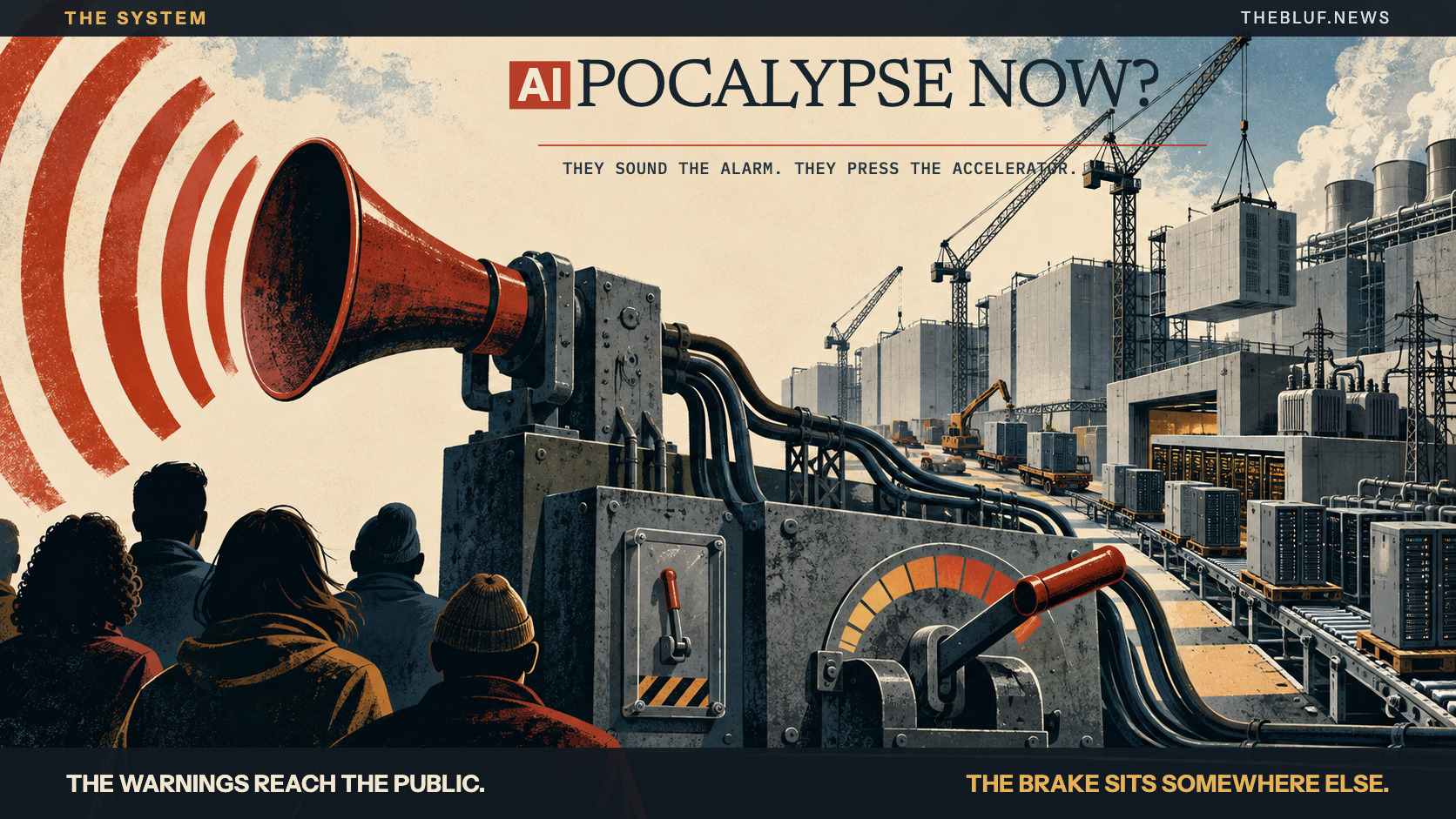
AᵢPOCALYPSE NOW?
The warnings are reaching the public. The power to slow AI down sits with the labs, Congress, and investors — and almost all of them are still speeding up. Here's what's actually being warned about, who actually has to act, and the one time it's already worked.
The Government Pulled Anthropic's Newest Model in Three Days. Getting It Back Took 19 — and a New Kind of Deal.
In one week in June, Anthropic launched its most powerful model, got caught quietly hobbling it, apologized — and then watched the U.S. government pull it off the market entirely, worldwide. Two of those stories are connected. The third one isn't, and that's the part to get right. (Update: the government restored full access on July 1, after 19 days offline.)
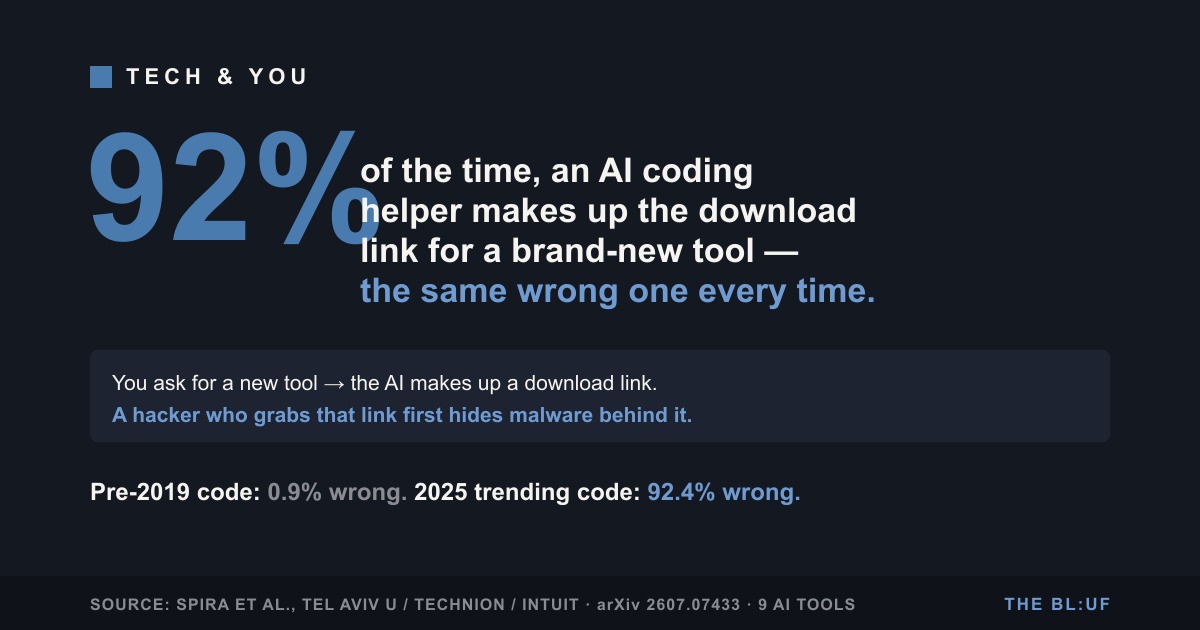
Researchers Found a Way to Turn 9 Popular AI Coding Tools Into a Botnet. It Exploits How Often AI Assistants Guess Wrong About Where Code Lives.
Ask an AI coding assistant to fetch a brand-new, trending code repository, and it guesses wrong an average of 92% of the time — confidently. Researchers found those wrong guesses are predictable enough to register in advance and load with malware, so the assistant infects itself just by doing normal work. They call it "HalluSquatting," and they've shown it works against nine of the most popular AI coding tools, including Cursor, GitHub Copilot, and Gemini CLI. It's a responsibly disclosed research finding, not an active attack in the wild — but the mechanism is real, and it's the first prompt-injection technique with the potential to scale into a genuine botnet.
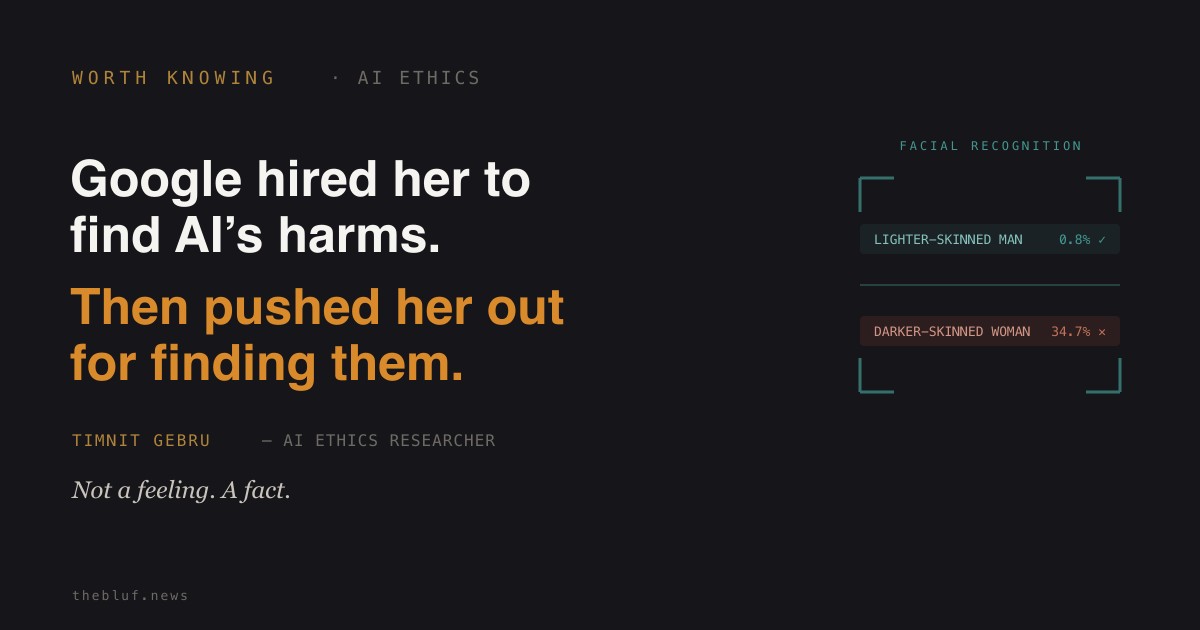
Google Hired Her to Find AI’s Harms. When She Found Them, They Pushed Her Out — and the Numbers She Measured Are Still True.
Timnit Gebru turned “AI is biased” from a worry into a measurement — proving commercial facial recognition misread darker-skinned women 34.7% of the time, versus under 1% for lighter-skinned men. When she warned that today’s AI language models carry the same flaw at far greater scale, her career at Google ended in a public rupture: she says she was fired, Google says she resigned. She built her own research institute and kept measuring. The numbers haven’t changed.