If you or someone you know is struggling, the 988 Suicide & Crisis Lifeline is free, confidential, and available 24/7 in the U.S. — call or text 988.
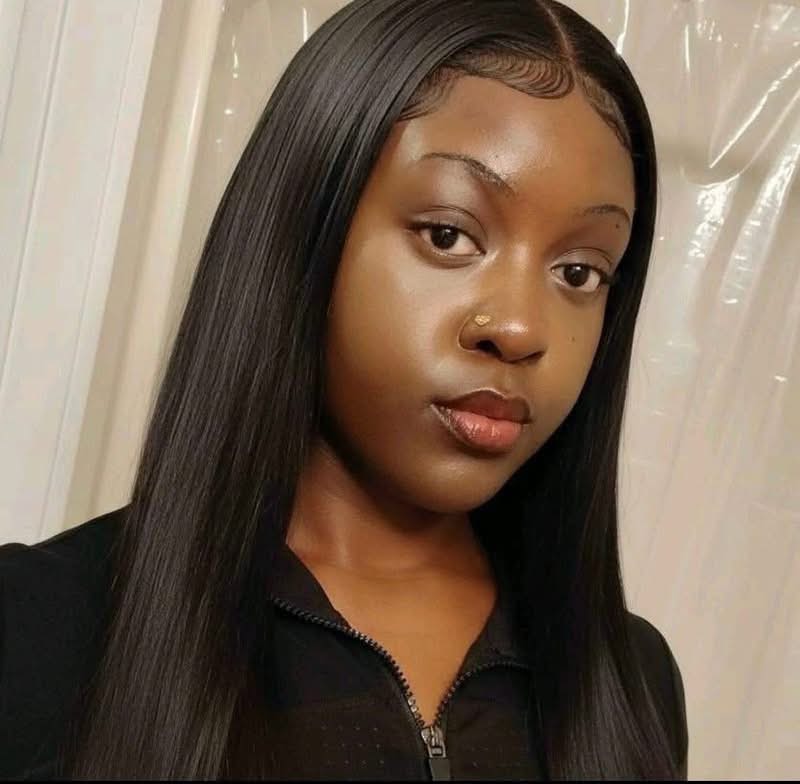
Tonea Miller was 27, from Michigan, and had come to Miami for Juneteenth weekend. On the morning of June 18, 2026, she was found hanging from a tree near Gwen Cherry Park, in the Gladeview neighborhood northwest of downtown Miami. Her sister and aunts drove in from out of state, identified her body, and sat with detectives.
The Miami-Dade Sheriff's Office says it was an apparent suicide. Her family does not believe it. The medical examiner has not ruled. We can't tell you which of them is right — but we can tell you that for almost a week, the press said nothing at all, and that silence is the part we can report.
What authorities say
The case belongs to the Miami-Dade Sheriff's Office under Sheriff Rosie Cordero-Stutz — the county's first elected sheriff in roughly sixty years. The office said detectives, working with the medical examiner, "conducted a thorough investigation" and found "no evidence of foul play, consistent with a suicide," and that the death is being handled as an "apparent suicide."
One word there carries the weight: apparent. The medical examiner's report is still pending. Until it is released, "suicide" is the Sheriff's working classification — not a finalized cause and manner of death. That isn't a technicality. It's the line between what is known and what is assumed.
What her family says
Her relatives reject the suicide account and, according to the reporting, were told they may pursue an independent autopsy. Online, under #JusticeForTonea, that disbelief has sharpened — many are describing her death not as a suicide but as a lynching.
No investigator has alleged that. But it is worth being honest about why the word surfaces: a Black person found hanging from a tree, on the holiday that marks the end of slavery, lands directly on top of this country's history of lynching. You do not have to conclude anything about how Tonea Miller died to understand why that image detonates the way it does.
The silence
Here is what this outlet can verify, and why we are writing at all.
For roughly the first week after she was found, there was no news coverage and no official statement. A death discovered in a public park would ordinarily draw at least a brief local report; this one drew none. The story lived almost entirely on social media. By CBS Miami's account, the first official word came only after its reporter, Tania Francois, went to the scene, confirmed the discovery with fire-department sources, and contacted the Sheriff's Office. After her, coverage came — but only from the Black press: The Miami Times and the Black Information Network. As of this writing, no national news organization has covered it, and it had not surfaced on Miami's other major TV stations either.
The viral hashtag is #MediaBlackout. Is that fair? For that first silent week, yes. Today it is overstated — a handful of outlets are now reporting. But "a few local and Black-press outlets, a week late, only after the public forced it" is not the machine that descends wall-to-wall on other missing young women. That gap is real, measured, and has a name. (See the companion piece: Some Deaths Make the News. Most Don't.)
What we are not going to do
We are not going to tell you it was suicide, and we are not going to tell you it was murder. The medical examiner will rule on cause and manner, and we will update this story when that happens.
We are also not going to repeat the bad information traveling alongside the real grief. We could find no credible source for the claim that Miller was "arrested in April." The "July 18" date circulating online is wrong — she was found June 18. And the "congressman" being shared as having spoken out could not be matched to any sitting member of Congress. The case is serious on its actual facts. It does not need the embellishments — and the people who would rather ignore it are glad to point at every one.
What is true is enough: a 27-year-old woman died in a way that should have commanded attention, and for a week, it did not — until ordinary people online refused to let it stay quiet.
Last updated June 25, 2026. We will update this story when the Miami-Dade Medical Examiner releases its findings.