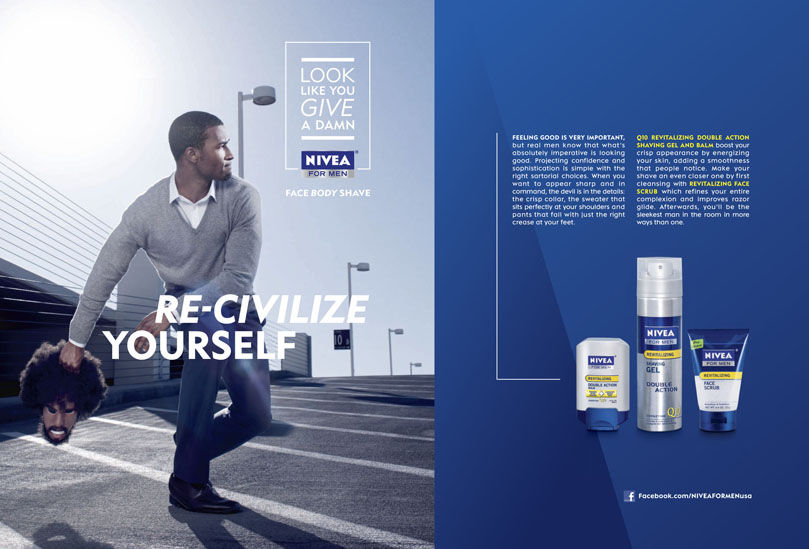
They Apologized for 32 Racist Ads. Almost Nothing Changed.
We checked 32 major companies' racially insensitive ad campaigns from 2006-2026 against what happened after they apologized. 25 of 32 (78%) show no verified policy change -- just an apology and a deletion. Only 5 made a documented change, and only one of those (Prada) came with outside enforcement rather than a self-reported announcement. Two 2026 cases (Target, Converse) remain genuinely unresolved. Real, sourced images accompany every case in this piece.
Bills Fans Paid Up to $50,000 for a Seat “License.” It Doesn’t Buy a Single Ticket.
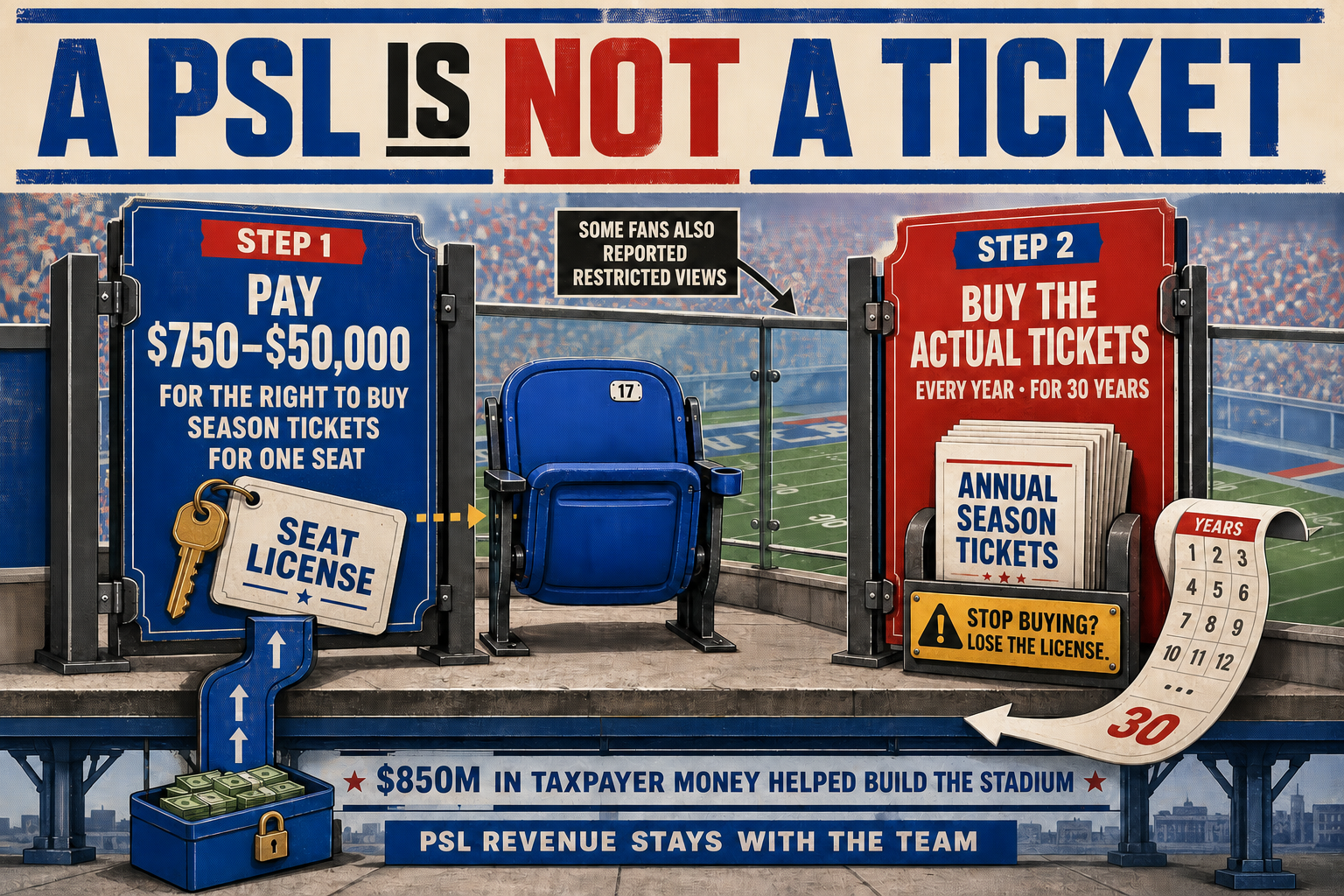
Buffalo Bills fans who wanted season tickets at the new Highmark Stadium first had to buy a Personal Seat License — a one-time fee of $750 to $50,000 per seat that does not include a single game. It's a separate charge for the right, and the obligation, to then pay full season-ticket price every year for the next 30 years. The mechanism dates to 1993, invented by an expansion team with no stadium and no public funding lined up, and it spread across the NFL for one specific reason: money from PSL sales is exempt from the league's revenue-sharing formula, so an owner keeps all of it instead of splitting a cut with the other 31 teams. Highmark cost $2.1 billion, with $850 million of that taxpayer money — second only to the Tennessee Titans' $1.2 billion public subsidy, the largest an NFL stadium has ever received. Season ticket prices roughly doubled on top of the PSL fee. And this summer, some fans found out the seats they locked in for three decades don't fully see the field.
States Are Passing “Junk Fee” Laws. Every One Checked Requires Disclosure, Not a Ban.
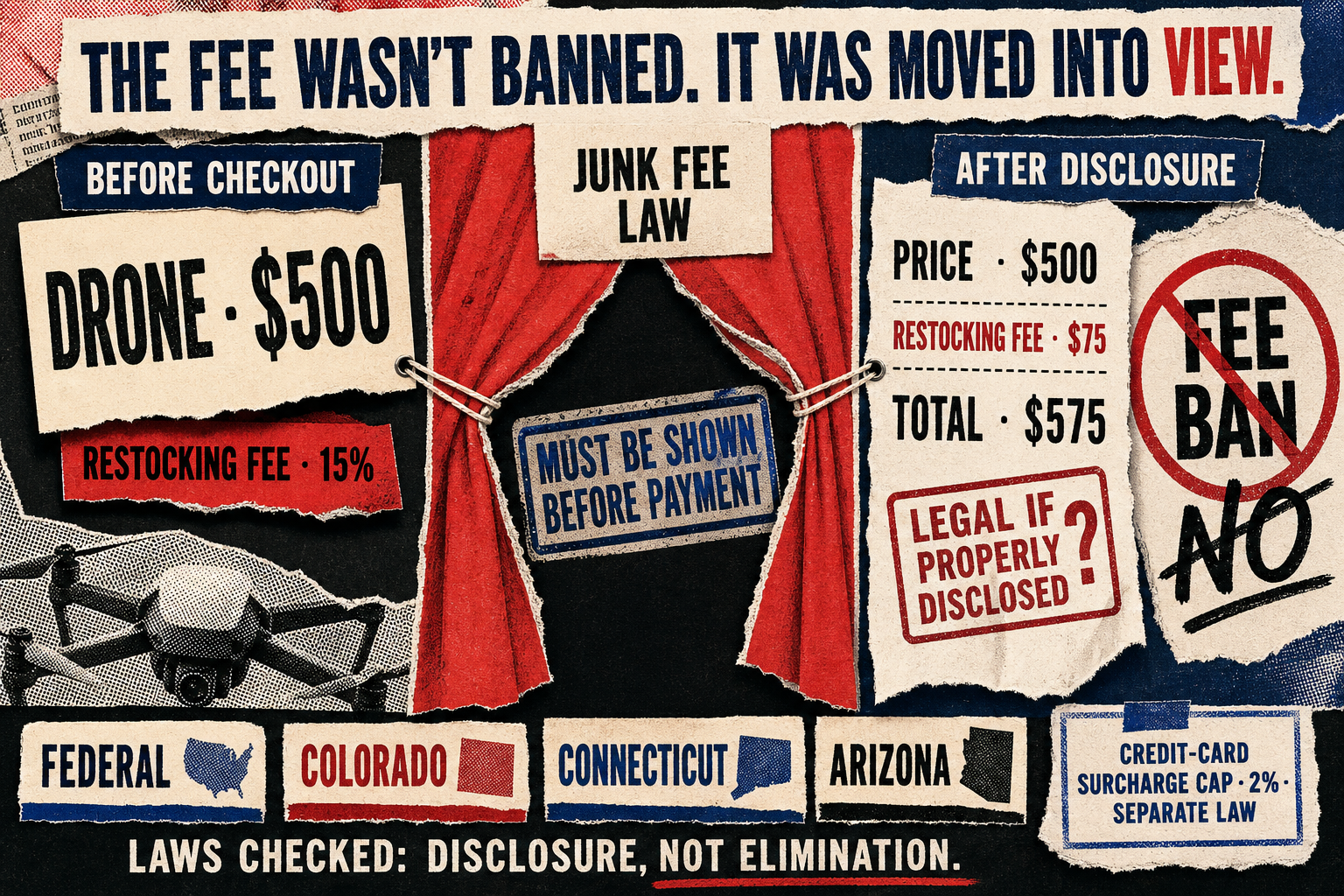
New state and federal "junk fee" laws sound like a crackdown on convenience fees, restocking fees, and resort fees. They're not. Every law checked for this piece -- federal, Colorado, Connecticut, Arizona -- requires a business to show you the fee before you pay. None of them stop the fee itself. Best Buy charges 15% on drones, cameras, e-bikes, and projectors, and $45 on activated phones. Retailers say it's about return-processing costs and shipping, per their own trade group's survey. Restocking fees are getting more common, not less: 72% of retailers now charge some return fee, up from 66% the year before.
Courts Will Waive Your Filing Fees If You Can't Afford Them. The Form Is Free — and Almost No One Fills It Out.
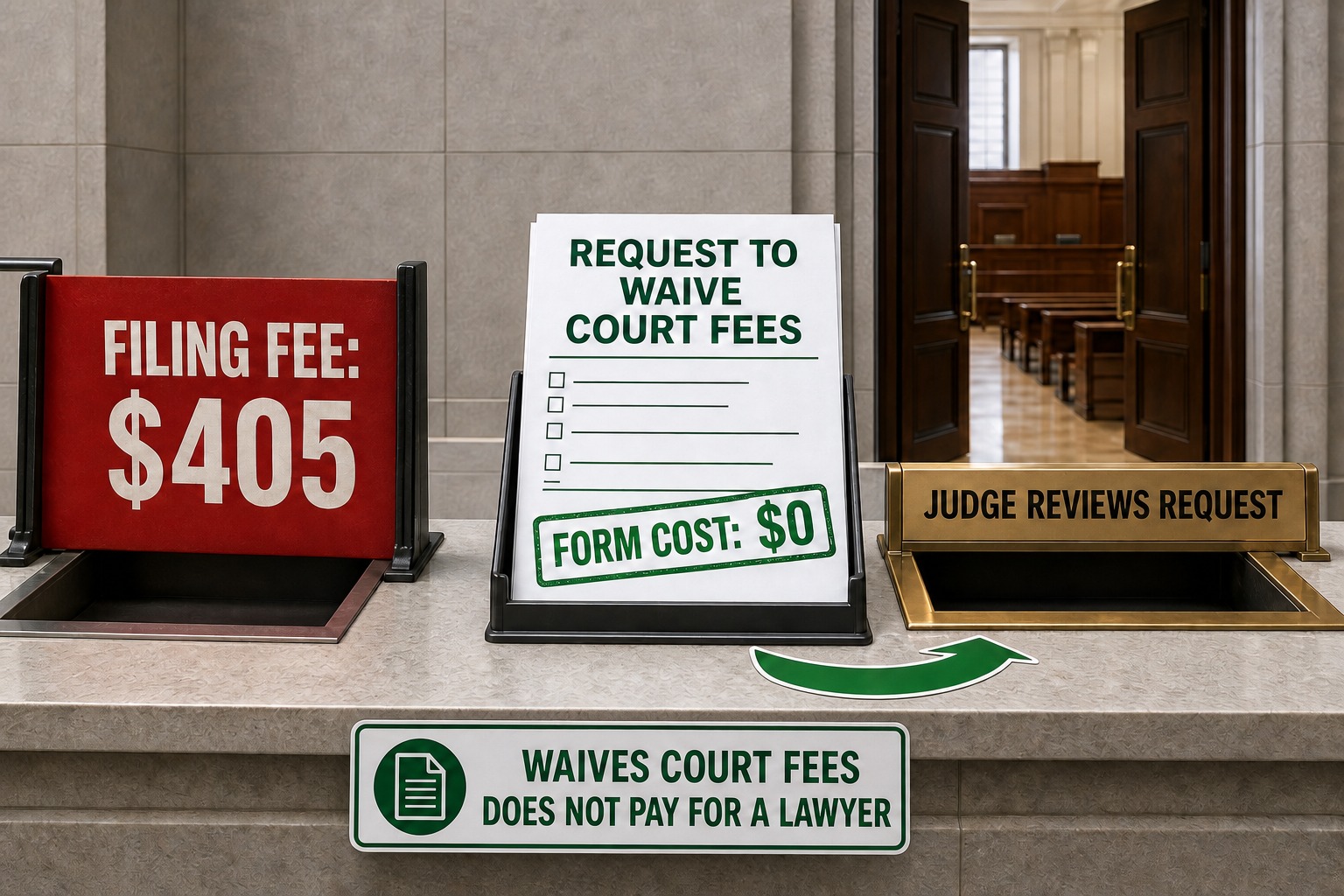
Court filing fees can top $400 in federal court and run $50 to several hundred dollars in state courts — money you owe just to open your case, before a judge hears a word. But a right on the books since the founding lets people who can't afford those fees file for free: in federal court it's called proceeding “in forma pauperis”; in state court it's usually a one-page fee-waiver form. The catch: it waives court fees, not a lawyer — a judge can toss a federal case that's frivolous, and if you later win or settle for real money, the court can take the waived fees out of your recovery. Here's how the request actually works, who qualifies, and the fee scam to steer around.
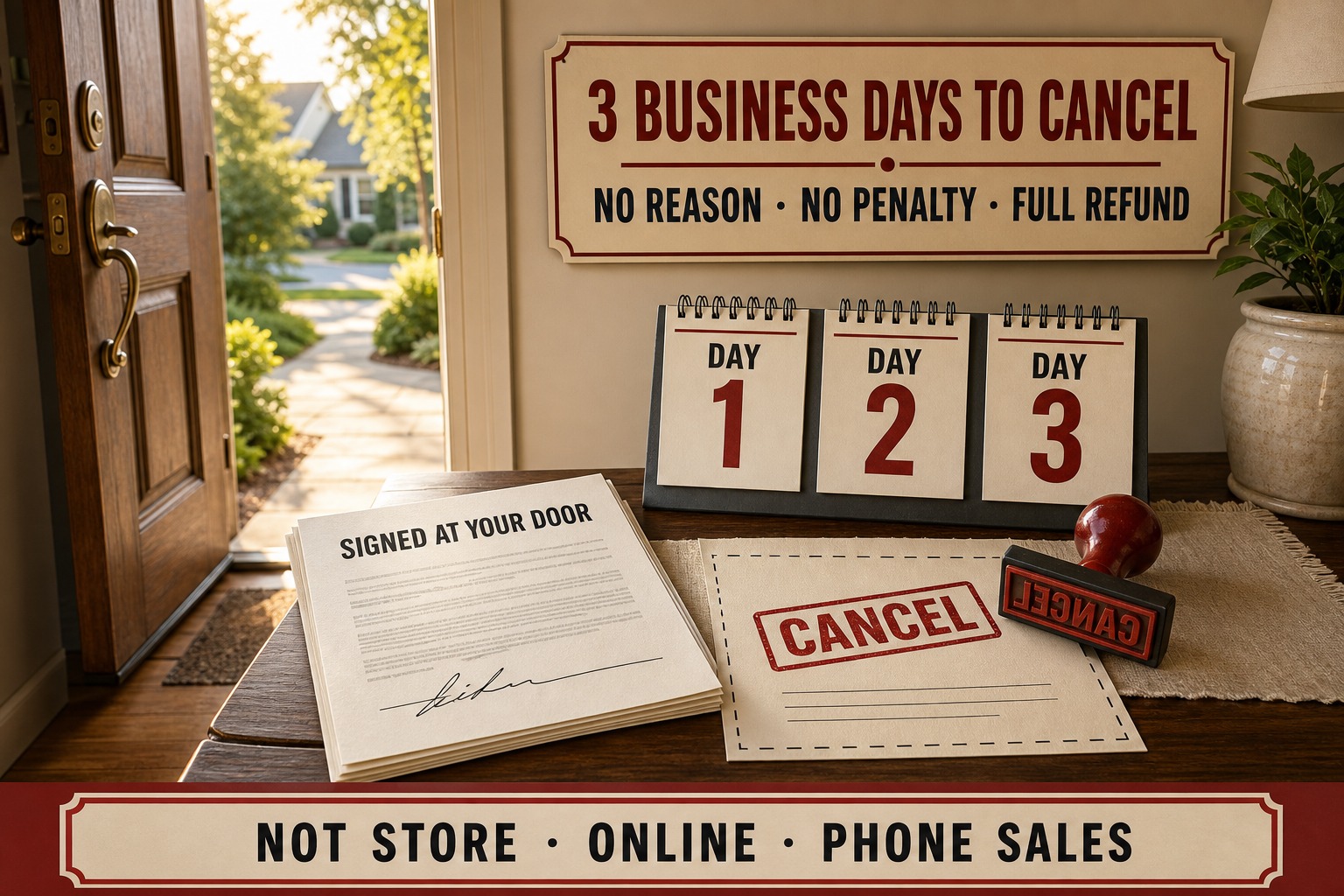
Sign a Deal at Your Door or in a Hotel Ballroom, and Federal Law Gives You Three Days to Cancel — No Penalty, Full Refund. Almost No One Uses It.
When a salesperson closes the deal in your living room, at your job, or in a rented hotel meeting room, federal law hands you a safety valve: three business days to cancel, no reason required, and the seller has to refund every penny within ten business days. It's the FTC's Cooling-Off Rule, on the books since the 1970s. The catch: it's narrower than people think — it doesn't touch anything you buy at a store, online, or by phone, and plenty of sellers 'forget' to give you the cancellation form the law requires. Here's exactly when it applies, the scam version to watch for, and how to pull the ripcord in time.
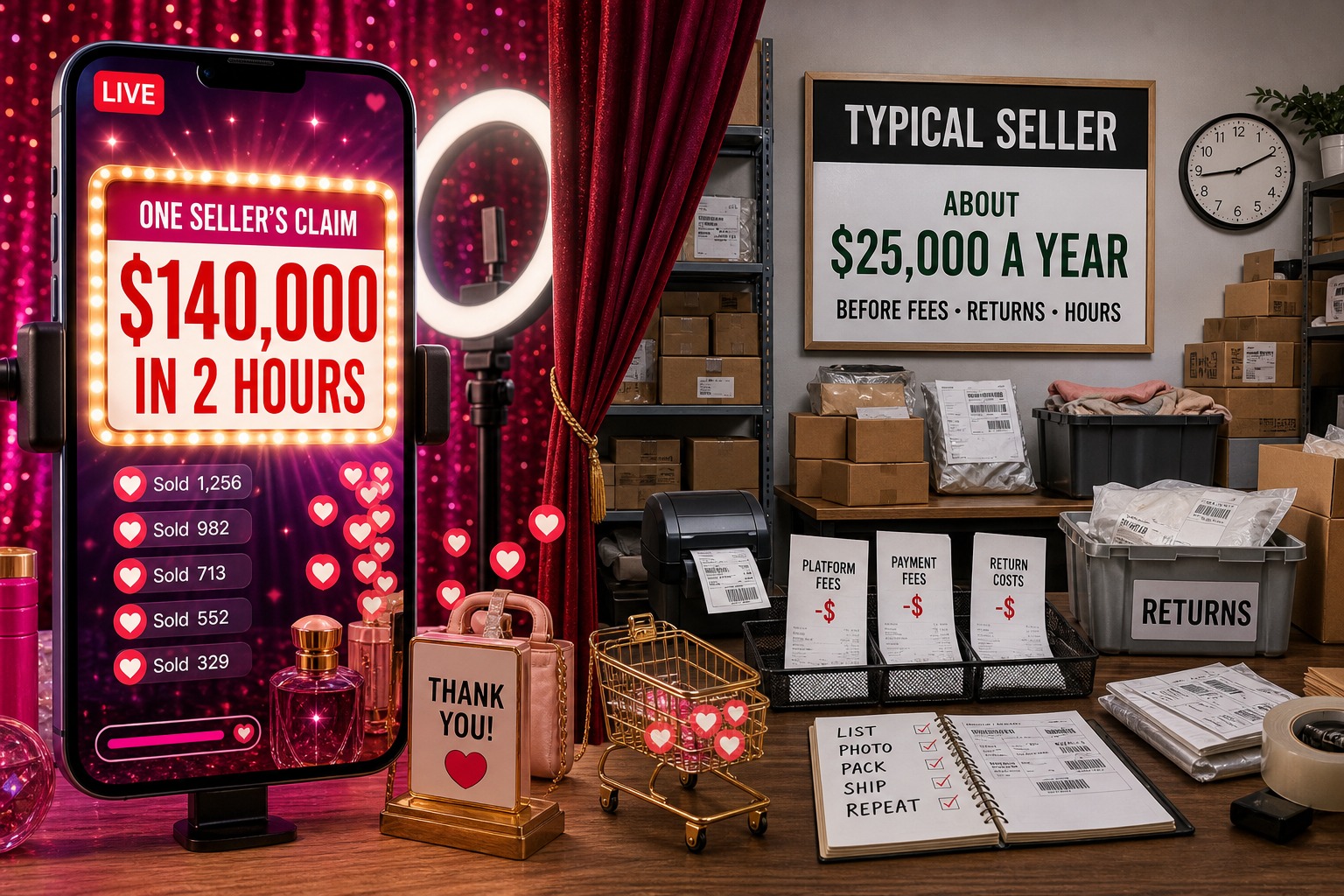
QVC Moved to Your Phone. One Guy Says He Made $140K in Two Hours. Here's What He Left Out.
Live shopping — QVC, but on TikTok and apps like Whatnot — is the fastest-growing corner of online selling. Gary Vaynerchuk says he pulled $140,000 in two hours doing it. That number is real as *his claim* — but the typical seller makes about $25,000 a *year*, sometimes less than minimum wage after fees. Here's how it actually works, minus the hype.
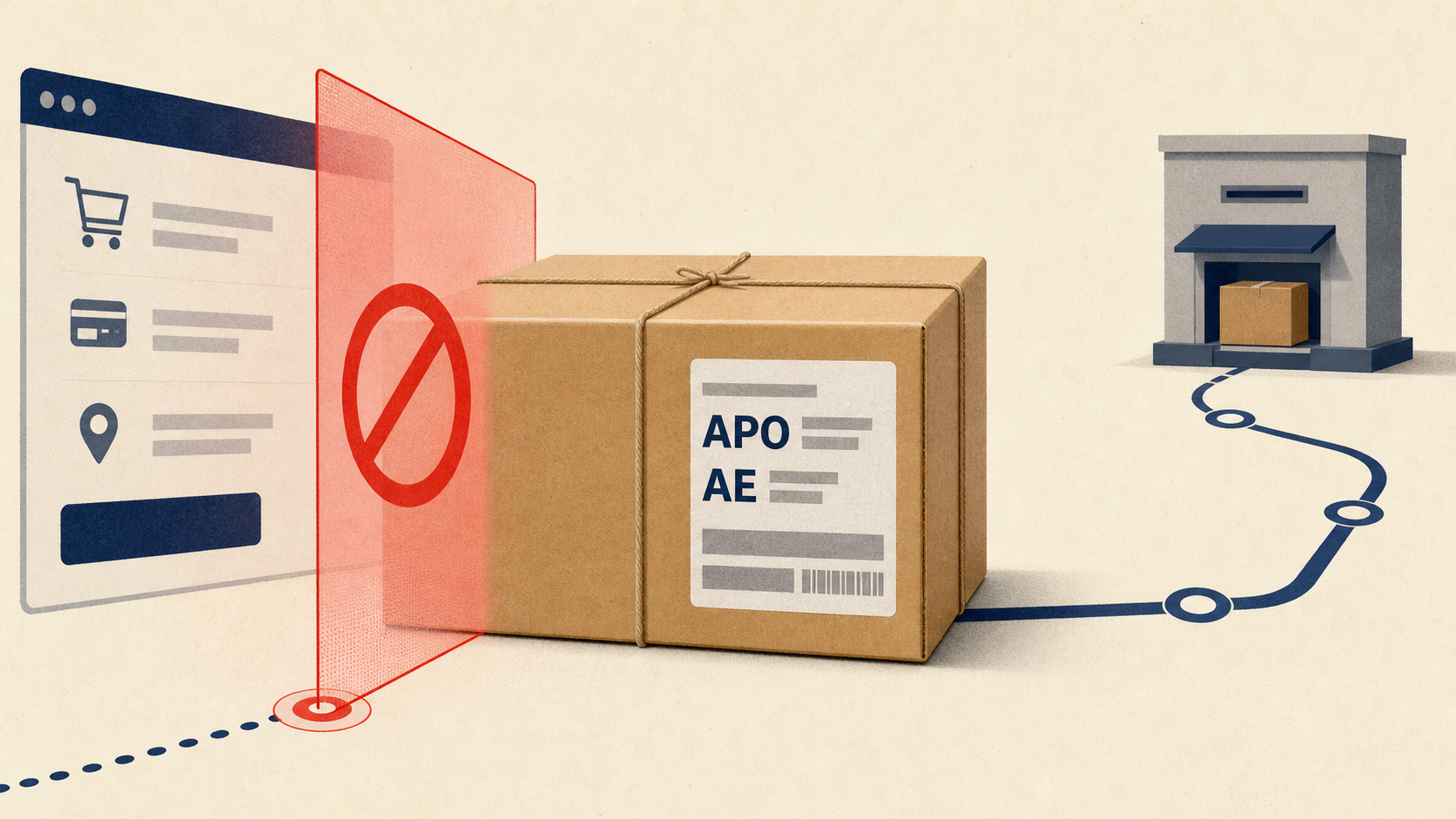
Retailers Call Military Addresses a Security Problem. Their Own Policies Point to Shipping Contracts.
Some companies refuse to ship online orders to APO and FPO addresses, then blame “security.” The addresses are real, standardized parts of the U.S. postal system. The security restriction is mostly about who may carry the package into the military network — not whether the person ordering it is trustworthy. The harder reasons are less dramatic: carrier contracts, customs data, product screening, longer delivery times and incomplete tracking. Those are legitimate complications. They are not evidence that military customers are unsafe.
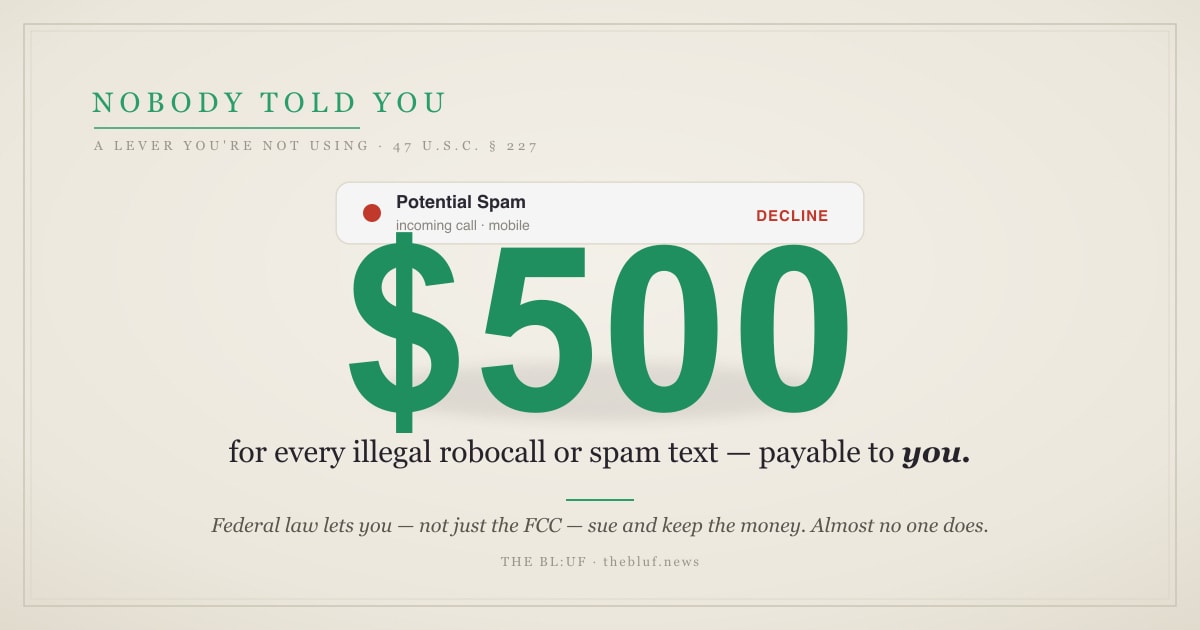
That Illegal Robocall or Spam Text Is Worth $500 — and Federal Law Lets You, Not Just the FCC, Collect It.
A 1991 federal law puts a price on illegal robocalls and spam texts — $500 for each one, up to $1,500 if the caller broke the rules on purpose — and it lets you, the person who got the call, sue and keep the money, often in small-claims court. The catch: it works against real, traceable companies, not the overseas scammers you can never find — and there's a fee scam that dresses itself up as this very law. Here's how the statute actually works — and what to check before you rely on it.
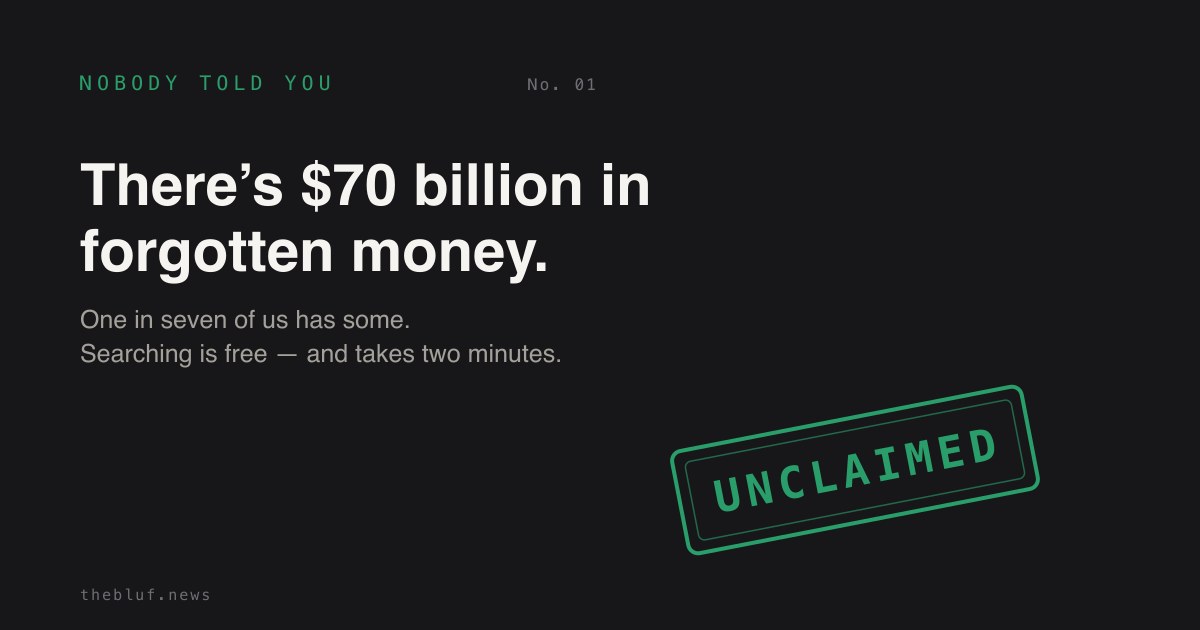
There’s About $70 Billion in Forgotten Money. One in Seven of Us Has Some — and Checking Is Free.
More than $70 billion in forgotten money — old paychecks, deposits, insurance payouts — sits in state government accounts. About 1 in 7 Americans has some. Searching for yours is free and takes two minutes. The only real catch: because it’s free, anyone who offers to “find” it for a fee is working an angle.