Over the past 20 years, at least 32 major companies ran an ad, sold a product or launched a campaign that drew serious accusations of racial or ethnic insensitivity. Nearly all of them apologized. Most of them removed the work within days.
That's where most coverage of these stories ends: the ad is gone, the apology is out, the news cycle moves on.
We asked a different question. Not who apologized — what changed afterward.
The answer, checked case by case against independent reporting and each company's own statements: 25 of 32 — 78% — show no verified policy change — no completed reform with a named, accountable owner that outside observers can check. Most got an apology and a deletion and nothing more. One of the 25, Dove in 2017, is a partial exception: the company said it was re-evaluating its approval process, but no evidence surfaced that the review was ever completed or assigned an owner — a promise, not a verified change.
Five companies — 16% — made a documented change: a new diversity role, an external advisory board, mandatory training, an independent review process. Only one of those five, Prada, did it under outside enforcement — a legally binding settlement with the New York City Commission on Human Rights, not a voluntary announcement.
Two 2026 cases — Target and Converse — are still open. Both companies promised a review. Neither has published what that review found. We're checking back in 2027, and we'll update this piece when they do.
The pattern the apology hides
Read enough of these one at a time and each looks like an isolated mistake: a bad creative brief, a missed internal review, an unlucky publish. Read all 32 together and a different picture forms — the same failure, repeating, because apologizing was treated as the fix.
Nivea did this twice. In 2011, "Re-civilize Yourself" showed a Black man holding a severed, Afro-haired head next to instructions to look more presentable. Nivea apologized. Six years later, in 2017, a Middle East Facebook post read "White Is Purity" — embraced by white-supremacist accounts. Nivea apologized again. Nothing public changed in between.
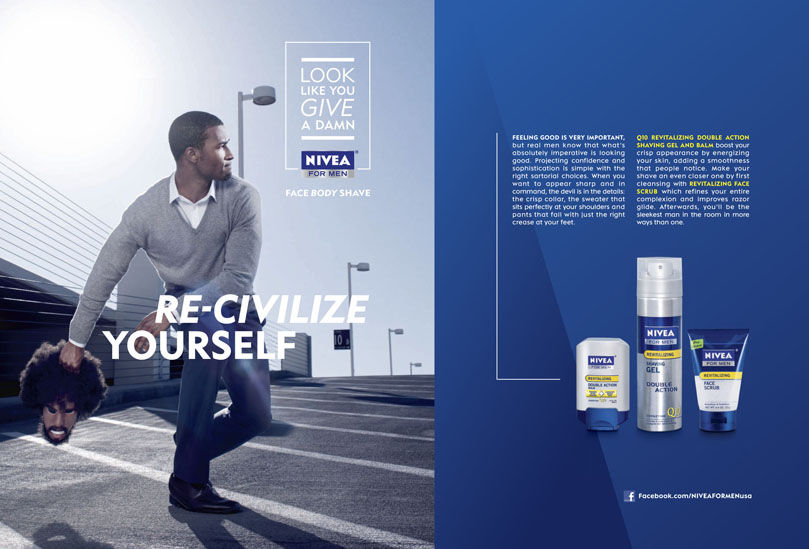 Nivea · "Re-civilize Yourself" · 2011 · Los Angeles Times
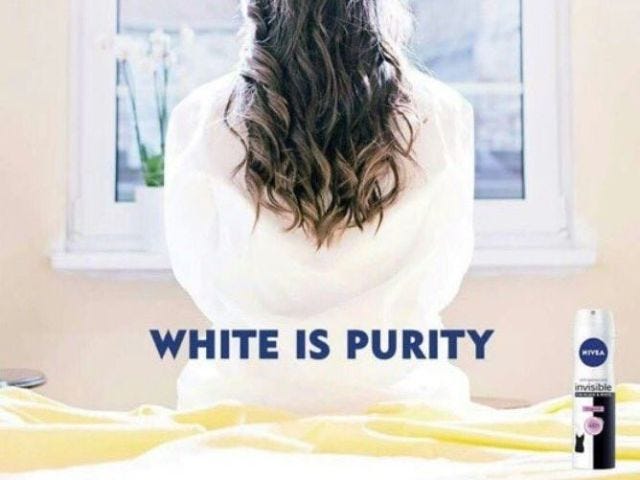 Nivea · "White Is Purity" · 2017 · CBS News
Zara did this twice, nine years apart, for two different kinds of harm. In 2014, a children's shirt striped like a concentration-camp uniform with a yellow star drew comparisons to the badges Jews were forced to wear under Nazi rule. Zara said it was a sheriff's-star reference, apologized, pulled the shirt. In 2023, its Atelier "The Jacket" campaign — rubble, shrouded mannequins, damaged statues, shot before October 7 but released during the Gaza war — drew comparisons to bombed buildings and Palestinian casualties. Zara called it a "misunderstanding" and pulled the images. No verified change to the approval process survived either incident.
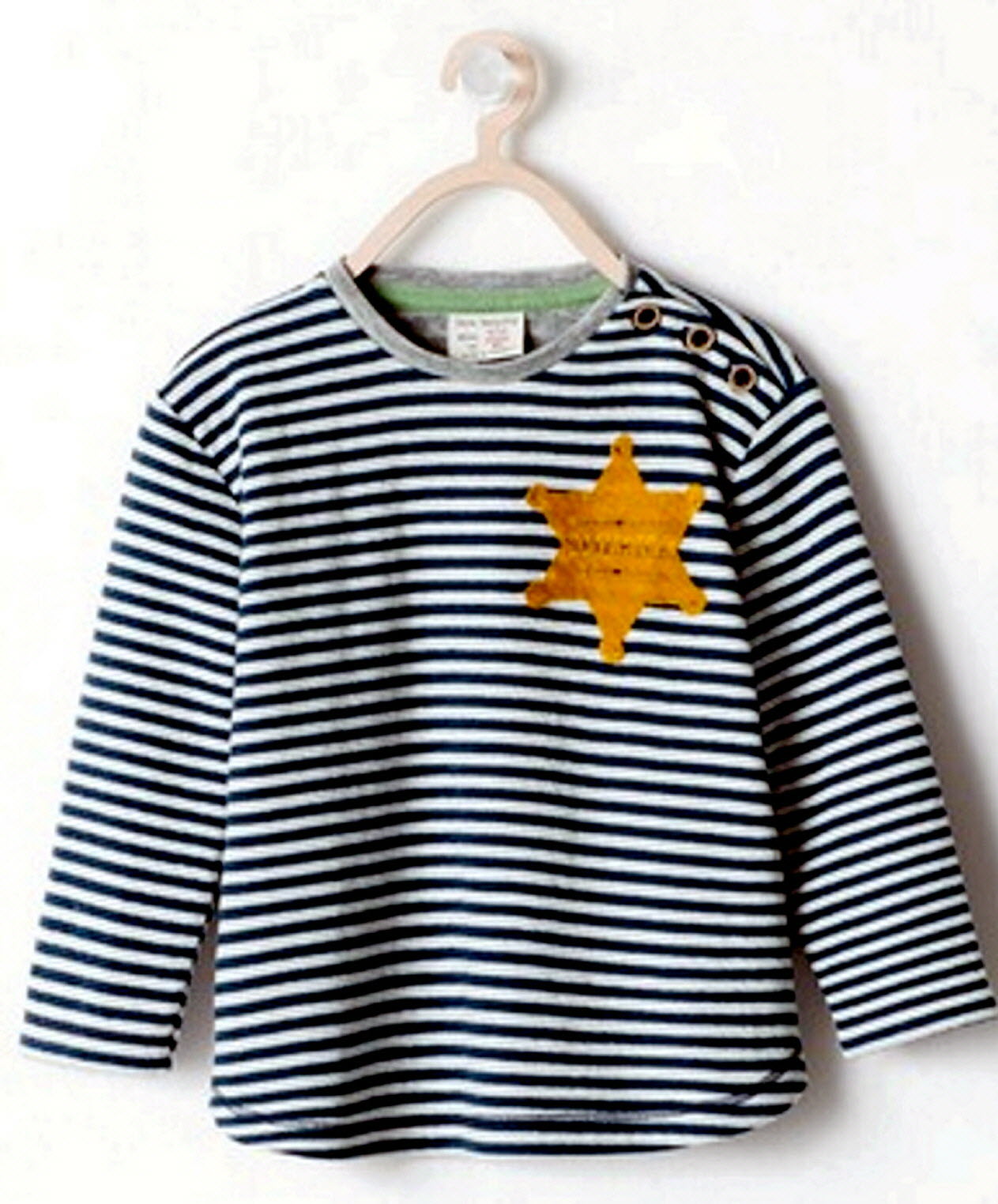 Zara · sheriff-star shirt · 2014 · Vogue UK
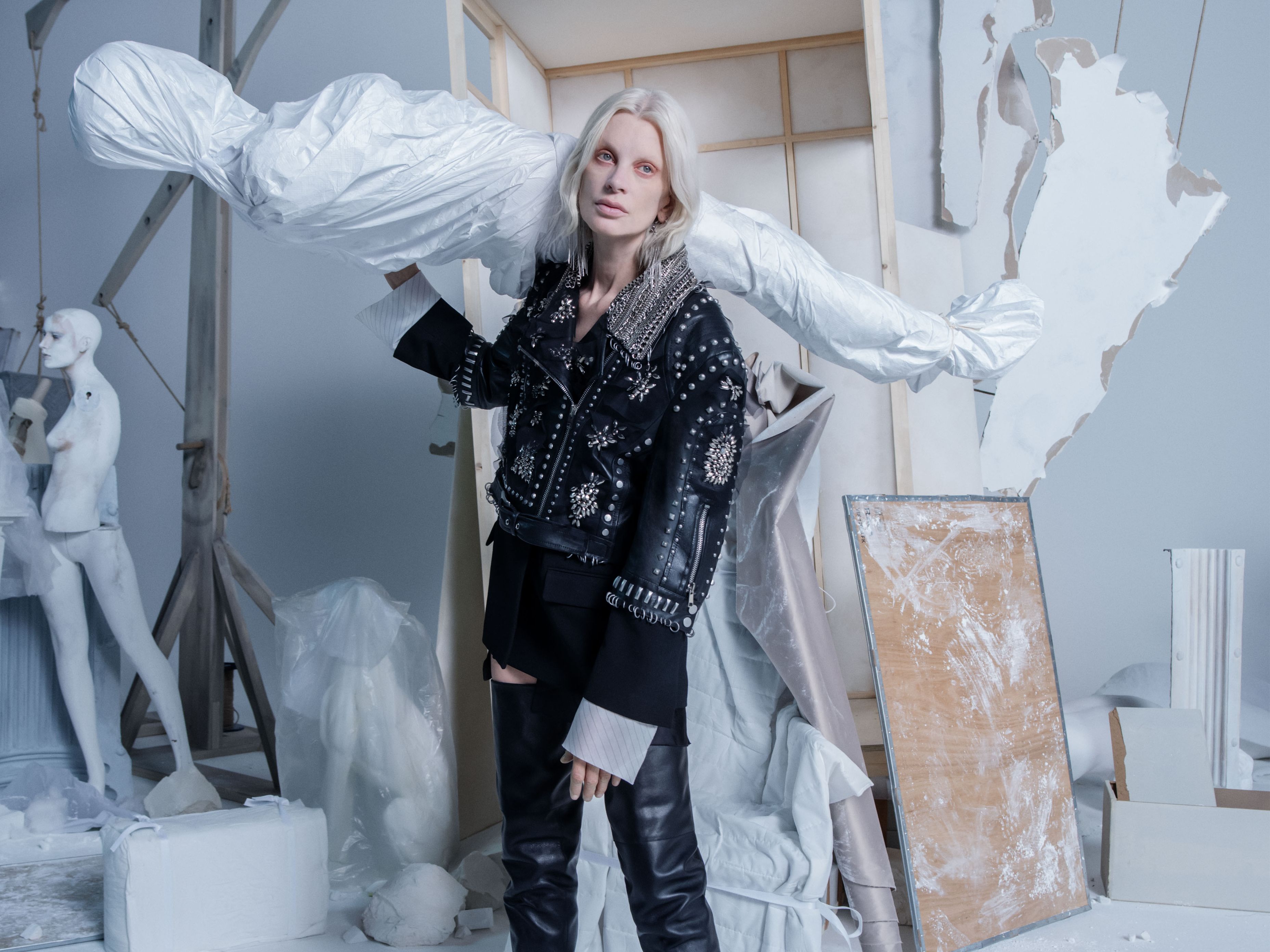 Zara · Atelier "The Jacket," compared by critics to war imagery · 2023 · TIME
Dove did this twice, and its second apology was slightly better-worded than its first — which makes the gap more telling, not less. In 2011, a "before and after" skin-care layout ran Black, mixed-race and white women left to right under panels reading "before" and "after." Dove apologized. In 2017, a Facebook GIF showed a Black woman removing a brown shirt to reveal a white woman underneath — echoing 19th-century soap advertising that literally promised to wash Blackness away. This time Dove said it was "re-evaluating" its internal approval process. No accountable owner for that review was ever named publicly. Six years and a repeat controversy later, "re-evaluating" is still the last public word on it.
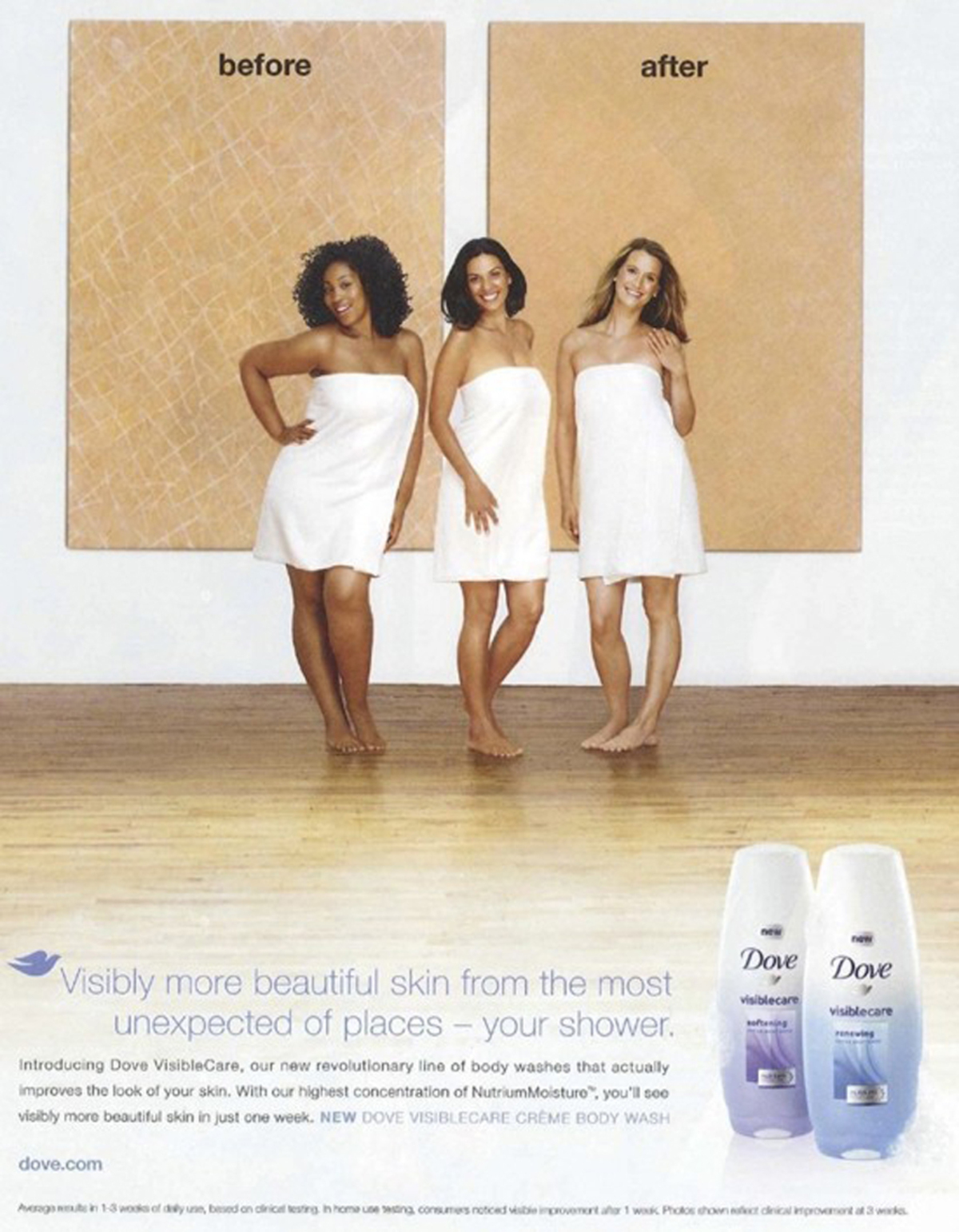 Dove · VisibleCare "before/after" · 2011 · Die Presse
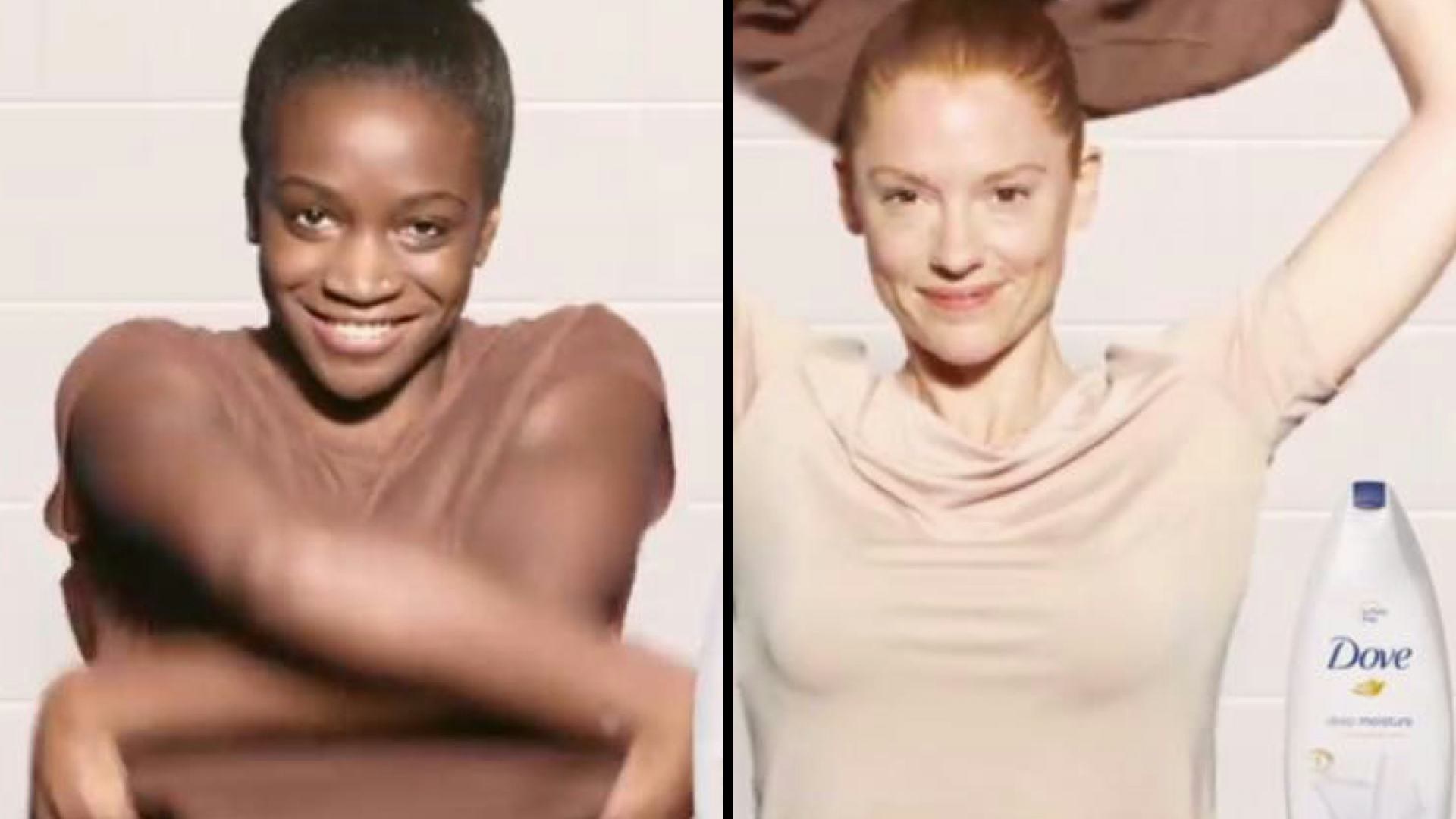 Dove · body-wash Facebook ad, criticized for its before/after sequence · 2017 · Mic
And one repeat that the original research didn't even flag as a pair, because it hides behind two different logos: PepsiCo owns both Mountain Dew and Pepsi. In 2013, Mountain Dew's "Felicia the Goat" ad put a battered white woman in front of a police lineup of Black men. PepsiCo apologized. In 2017, Pepsi's Kendall Jenner ad borrowed the imagery of a Black-led protest movement and resolved it with a can of soda. PepsiCo apologized again. Same ultimate company, different consumer-facing brand, identical response both times: sorry, and nothing else on the record.
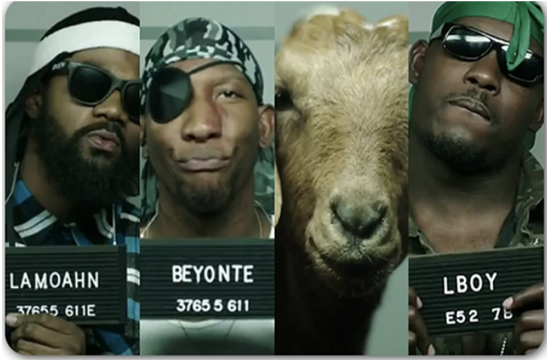 Mountain Dew/PepsiCo · "Felicia the Goat" lineup ad · 2013 · CBS News
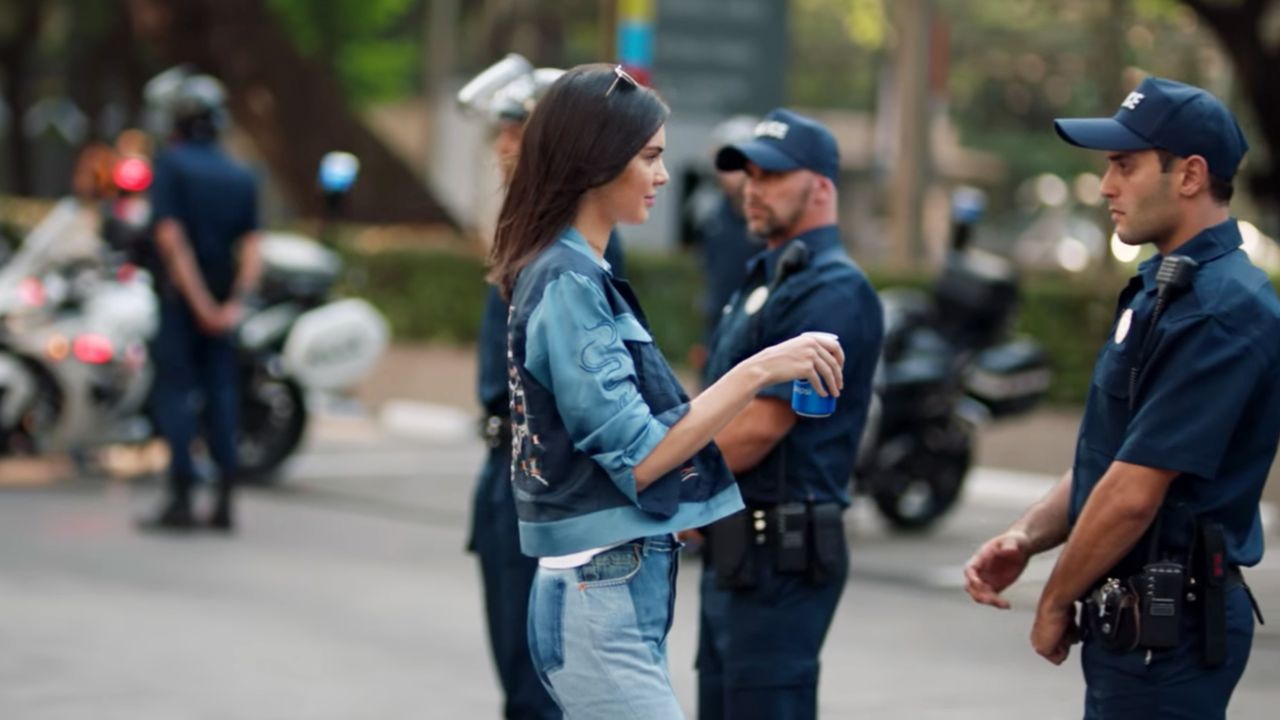 Pepsi/PepsiCo · Kendall Jenner "Live for Now" ad · 2017 · TIME
What "changed" actually looked like, for the five that did it
Five companies produced a real, checkable change after their incident:
- H&M (2018, "Coolest Monkey in the Jungle" hoodie) named a global head of diversity and inclusiveness.
- Gucci (2019, balaclava sweater with a red-lip cutout resembling blackface) launched a cultural-awareness program and later hired a global DEI head.
- Burberry (2019, runway hoodie with a drawstring tied as a noose) added mandatory staff training and an external advisory board.
- Volkswagen (2020, a clip combining a racial slur and colonial imagery) added an independent diversity board and new review controls after what the company said was a review of roughly 400 files and 16.5 gigabytes of production material.
- Prada (2018, Pradamalia figures resembling blackface caricatures) is the only one of the five with enforcement behind it: a New York City Commission on Human Rights settlement requiring racial-equity training, a director-level diversity officer reviewing U.S. ads and products, scholarships and ongoing monitoring — years, not a press release.
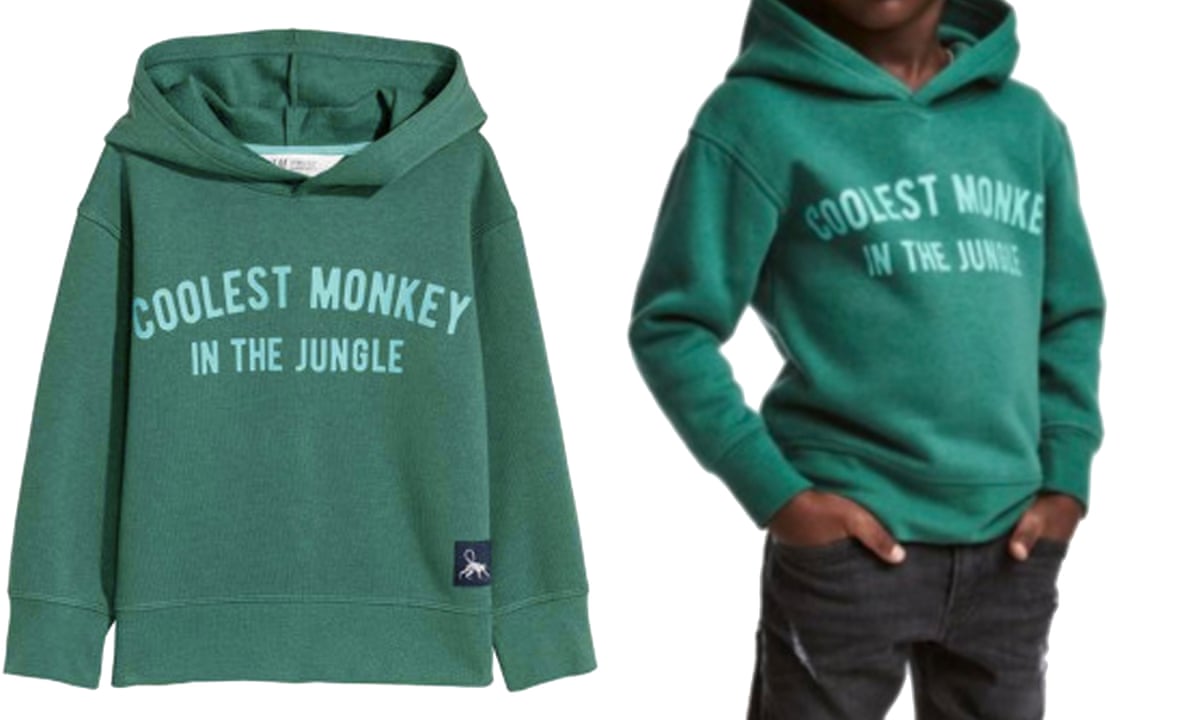 H&M · "Coolest Monkey in the Jungle" hoodie · 2018 · The Guardian
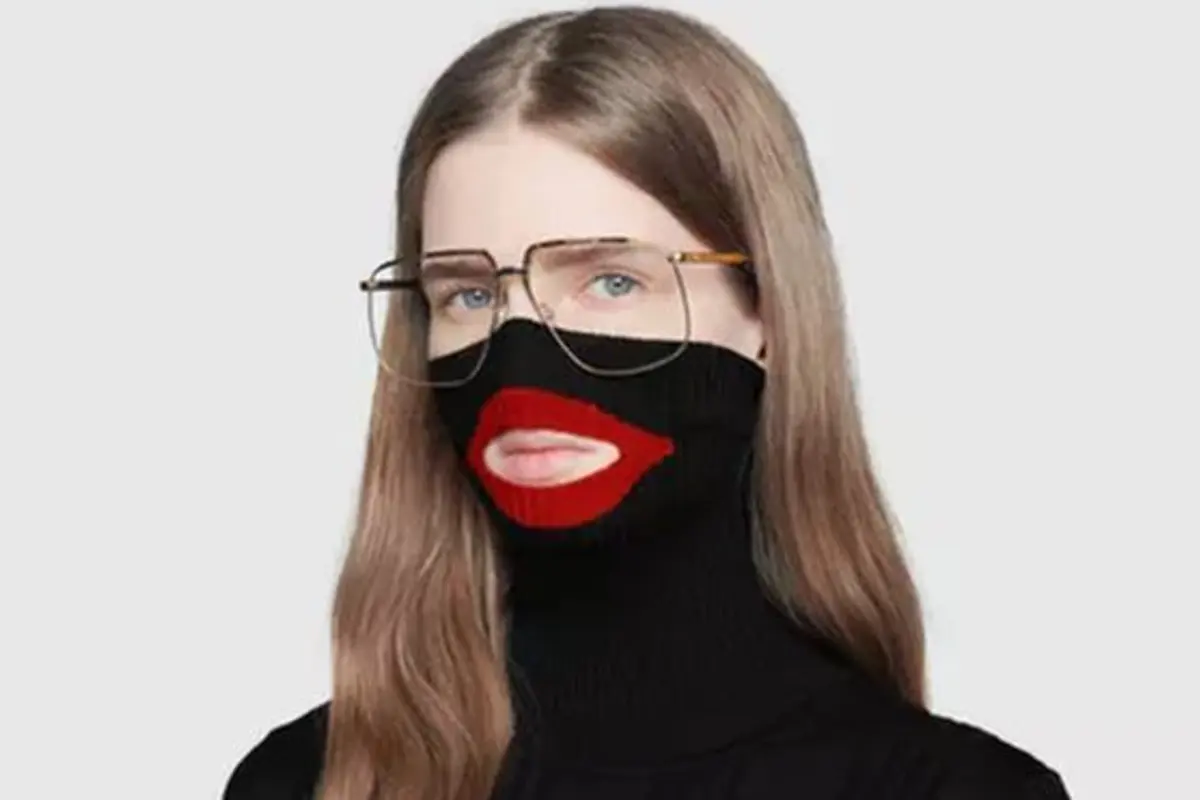 Gucci · balaclava sweater · 2019 · TIME
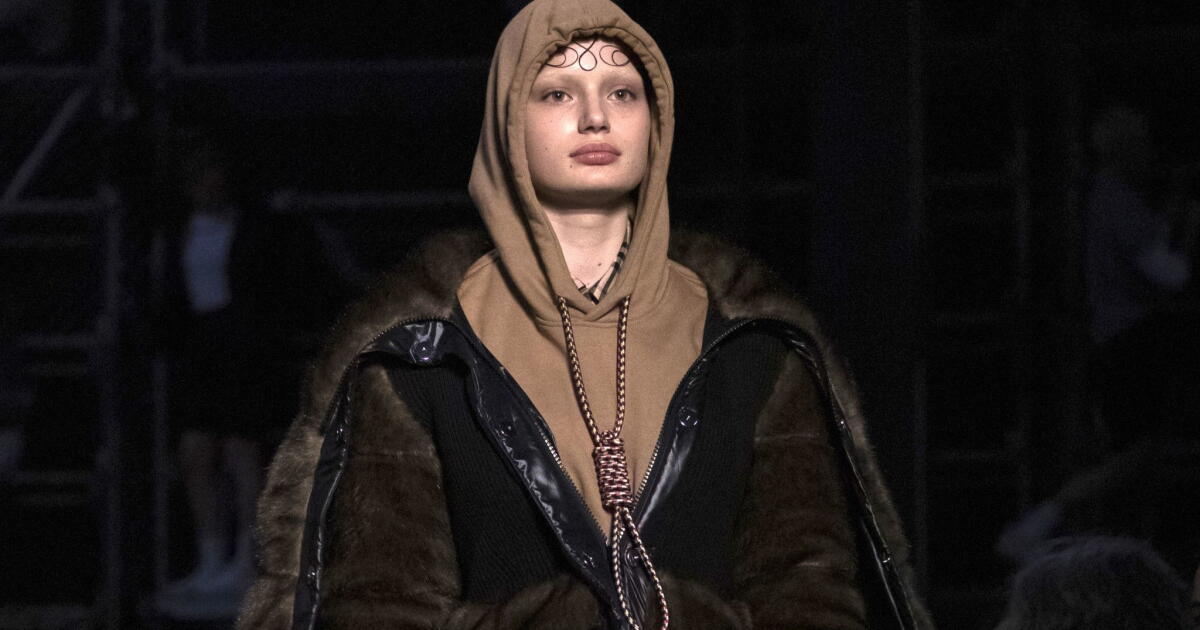 Burberry · noose-drawstring hoodie · 2019 · Los Angeles Times
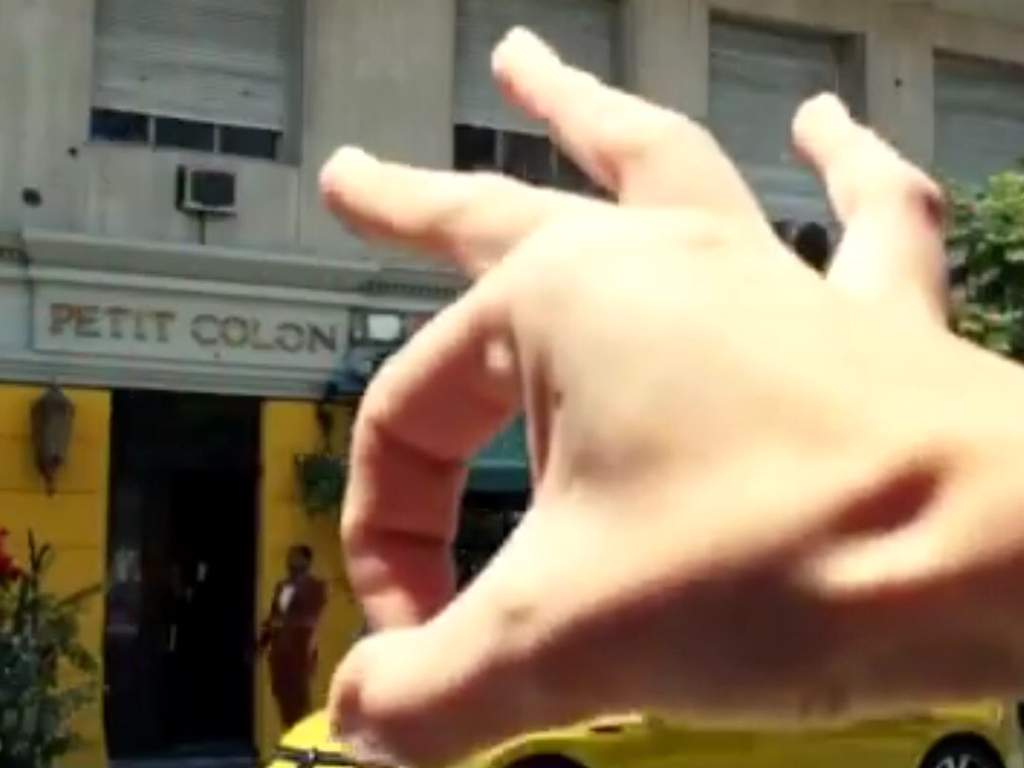 Volkswagen · Golf 8 clip · 2020 · Global News
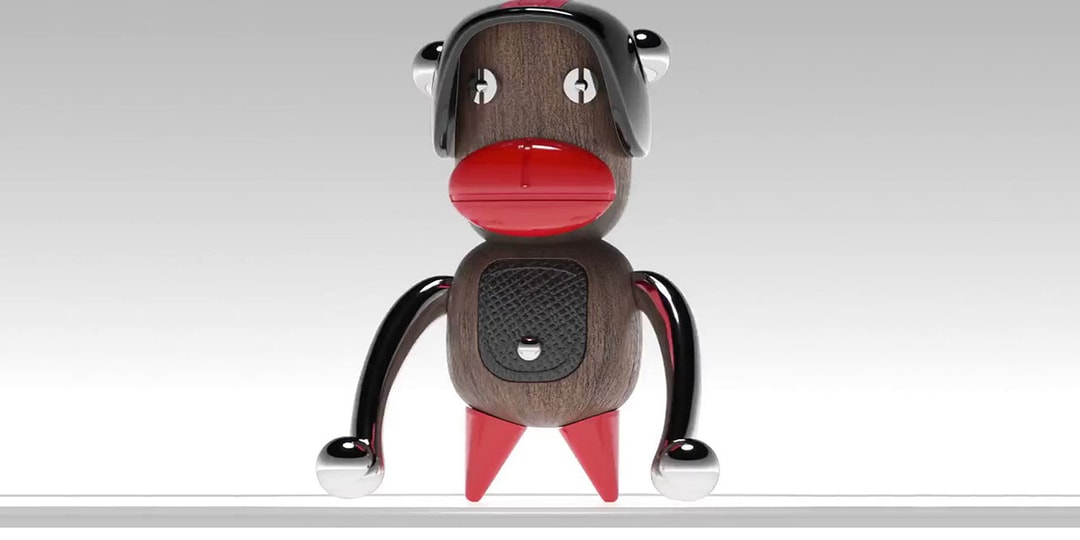 Prada · Pradamalia figures · 2018 · Hypebeast
That last distinction matters. Four of the five changes were the company's own voluntary announcement, self-policed and self-reported. Only Prada's came with an outside party checking whether it actually happened.
The two still open
Target (2026): a Black child modeled a Halloween clown costume and makeup that critics compared to minstrel-show imagery. Target apologized, called it offensive, and said it was examining how the item got approved. No findings have been published.
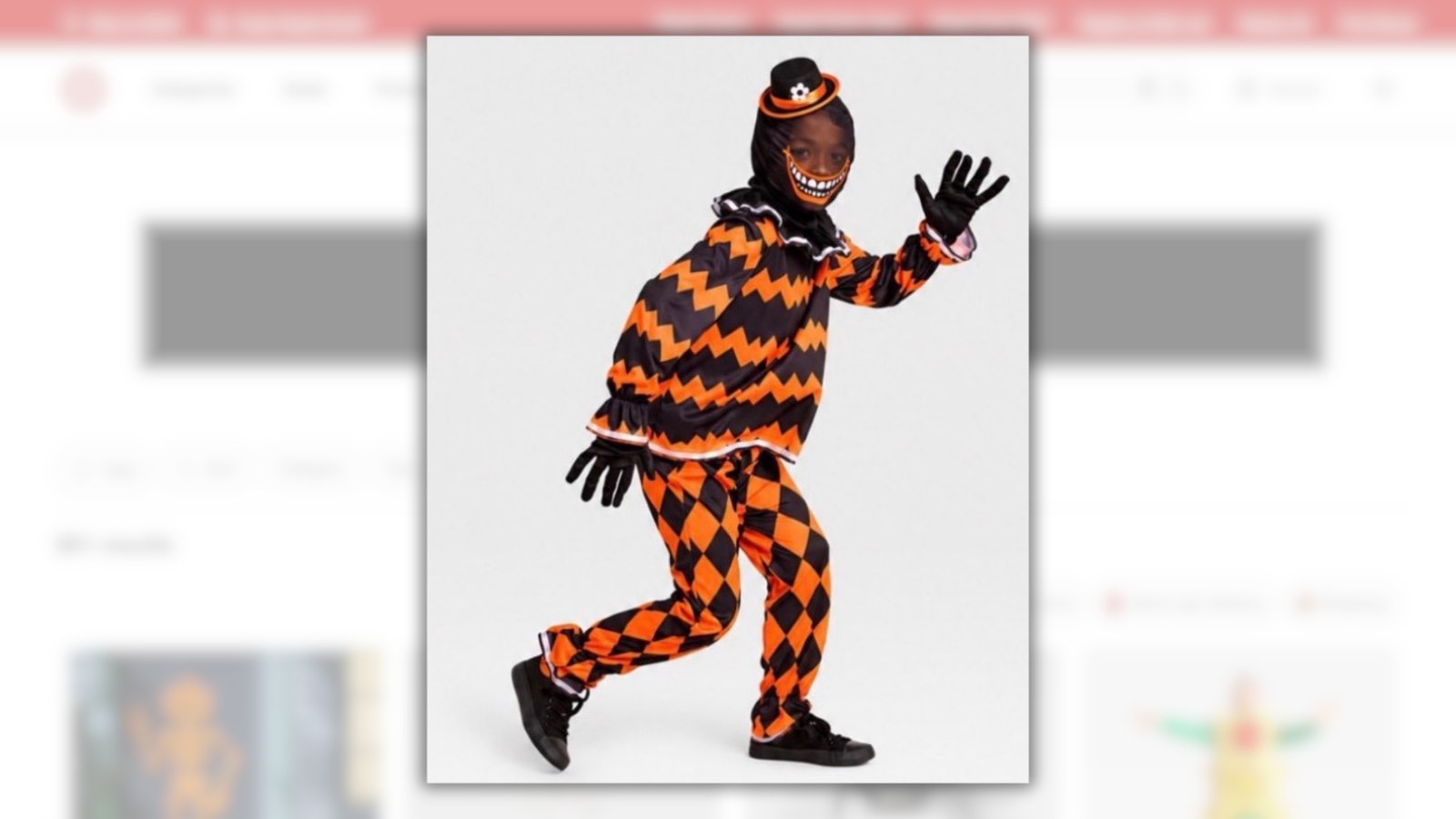 Target · Hyde & EEK! clown costume, critics compared it to minstrel imagery · 2026 · Snopes.com archive
Converse (2026, owned by Nike): a campaign image's composition — a triangular white shape, shoes hanging by their laces — was read by viewers as evoking KKK regalia and lynching imagery. Converse apologized and pulled the image worldwide; its CEO reportedly told staff he'd review internal processes. No findings have been published.
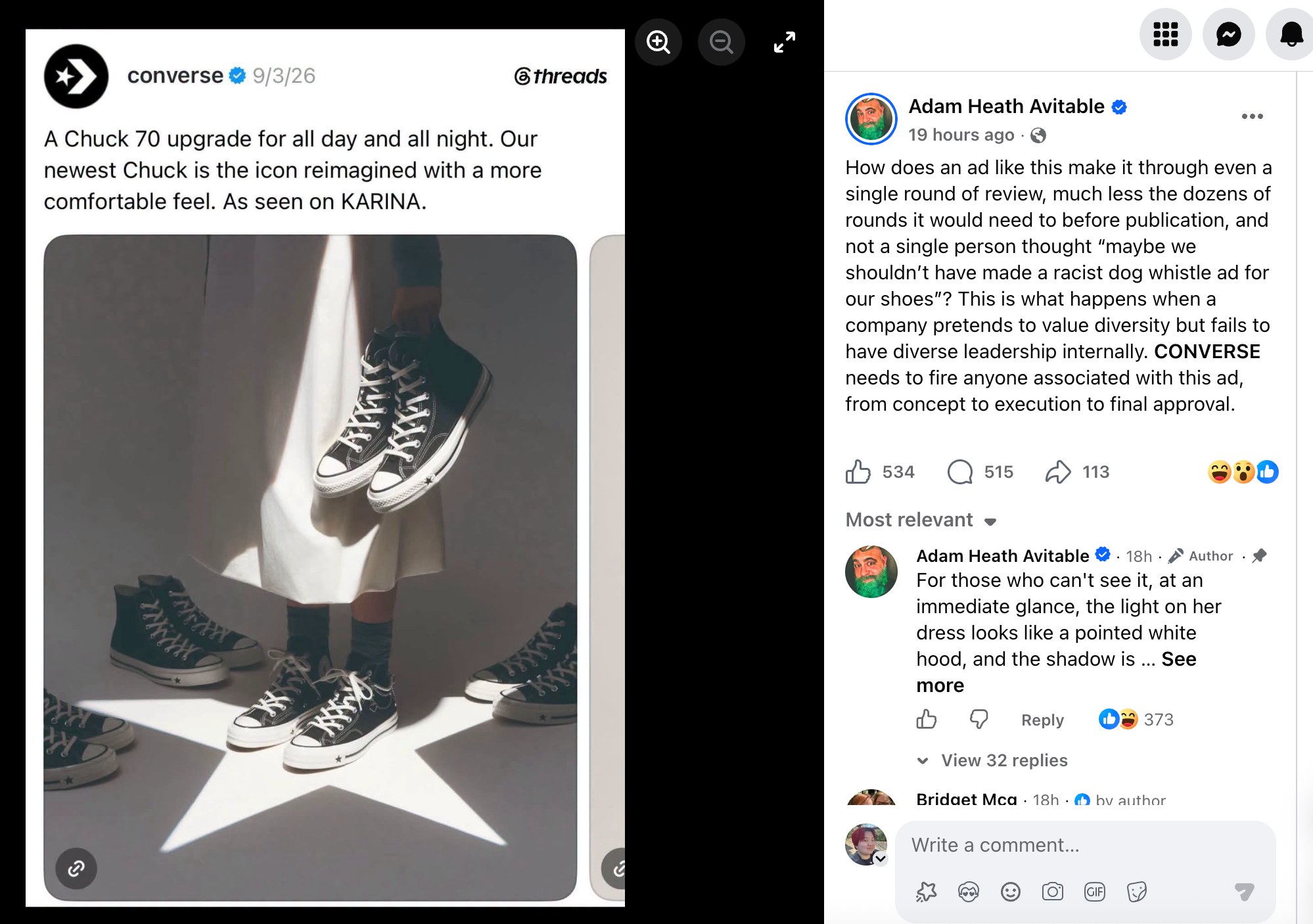 Converse/Nike · Chuck 70 X campaign, read by critics as evoking KKK and lynching imagery · 2026 · Snopes.com archive
Both get an honest label here: outcome not yet known. Calling them "changed nothing" would overclaim before the review period has run. Calling them "reformed" would be premature. We're checking back in 2027.
The buying power behind the boycott
Here's the plain version: withholding money from a company only works as leverage if that money actually matters to the company. It does. Not one of the 11 companies in this piece discloses what share of its revenue comes from Black consumers — but where the number can be measured at all, it's real, and it's large enough to move a stock price.
Target already lived it, in 2025 — this isn't a hypothetical, it's a recent event with a receipt. After Target rolled back its diversity commitments in January 2025, backlash came from more than one direction at once: Rev. Jamal Bryant organized a Lent-timed boycott called the "Target Fast," drawing more than 200,000 participants starting March 5; separately, a broader one-day protest called the "Economic Blackout" — organized by The People's Union USA and aimed at several large retailers, not Target alone — landed on February 28. What happened to Target across that stretch:
- Fewer people walked into Target stores — foot traffic down 9% year-over-year in February 2025, still down 6.5% in March, falling for ten straight weeks in a row.
- Target sold less stuff — first-quarter 2025 revenue came in at $23.85 billion, down 2.8% from a year earlier and about $500 million under what Wall Street had expected.
- Investors punished the stock — roughly $12.4 billion in Target's market value disappeared in a single day tied to that February 28 Economic Blackout, a week before the Target Fast even began.
Target's own CEO, Brian Cornell, told investors on the earnings call the backlash "played a role" in the damage — he wouldn't isolate exactly how much versus other pressures like tariffs, but he confirmed it was a real factor. The takeaway: when a company loses the trust of a large share of its customers over how it treats them, real money moves — foot traffic drops, sales miss, and the stock takes a hit, in the same stretch of months. That already happened once, to a Fortune 500 company. It's not a threat — it's a demonstrated fact about what withdrawn trust can do, even without one single organized campaign taking full credit for it.
And Target isn't a special case — Black consumers are a genuinely important part of the customer base for exactly the kind of companies in this story, though the pattern isn't the same in every category. In beauty, Black shoppers made up 12.5% of all U.S. spending in 2023 — $9.4 billion — which is actually slightly below their roughly 14% share of the population overall, but they spend far above their population share in specific lines: 22.4% of all fragrance dollars, 16.6% of all lotion dollars, according to NielsenIQ. In apparel and footwear, a different and more straightforwardly outsized pattern shows up: Black consumer spending is projected to hit $70 billion by 2030, growing faster than the industry average, per McKinsey. In plain terms: Nivea and Dove compete in a beauty market where Black consumers are a smaller share of total spending than their population share, but a much larger share in specific product lines — while Zara, H&M, Gucci, Burberry and Prada compete in a clothing and footwear market where Black consumer spending is growing disproportionately fast. Either way, these aren't customers any of these companies can afford to write off as a rounding error.
No company publishes what a specific brand actually collects from Black customers — that number simply doesn't exist anywhere, from the companies or from outside researchers. So here's the most conservative estimate we can defend, spelled out so it's clear exactly what it is and isn't: take a company's own reported North American sales, and calculate the slice that would belong to Black adults if they spent exactly like everyone else — no more, no less (Black adults are roughly 13% of the U.S. adult population, per Census and Pew Research data). That's simple math, not a survey of real spending, and it's a floor: the least this spending is worth, not necessarily the most.
Two examples, on that conservative basis:
- Nike's North America business took in $19.6 billion in fiscal 2025. Even splitting that money in flat proportion to population, Black adults' share works out to about $2.6 billion. Given the McKinsey data above showing Black consumers outgrowing the footwear and apparel category overall, the real figure for Nike is plausibly higher than this floor, not lower.
- PepsiCo's North America beverage business — Pepsi, Mountain Dew, and its other drinks — took in $27.8 billion in fiscal 2024. The same flat-population math puts Black adults' share at about $3.7 billion. Unlike Nike, there's no reliable published data on how Black consumers' beverage spending compares to their population share, so this figure should be read as a plain population-based floor with no directional adjustment either way.
Neither number is something Nike or PepsiCo has confirmed — both are population math, not measured spending, presented as a floor rather than a claim about actual behavior.
Full record: all 32 cases
| # | Company / campaign | Year | What happened | Result |
|---|---|---|---|---|
| 1 | Sony PSP (PlayStation Portable), "White Is Coming" | 2006 | Billboard: white woman gripping a Black woman's face over "White is coming" | Said sorry, did nothing |
| 2 | Intel, office-workers ad | 2007 | White manager standing over six crouched Black "sprinters" | Said sorry, did nothing |
| 3 | Dove/Unilever, VisibleCare | 2011 | "Before/after" skin panels ran Black-to-white | Said sorry, did nothing — repeat in 2017 |
| 4 | Nivea/Beiersdorf, "Re-civilize Yourself" | 2011 | Severed Afro-haired head, "re-civilize" copy | Said sorry, did nothing — repeat in 2017 |
| 5 | Adidas Originals, shackle sneaker | 2012 | High-tops with orange ankle-cuff "shackles" | Said sorry, did nothing |
| 6 | Mountain Dew/PepsiCo, "Felicia the Goat" | 2013 | Police lineup of Black men threatens white woman | Said sorry, did nothing — parent company repeat in 2017 |
| 7 | Dunkin' Donuts Thailand | 2013 | Blackface makeup promoting a charcoal donut | Said sorry (after first defending it), did nothing |
| 8 | Zara/Inditex, sheriff shirt | 2014 | Children's shirt resembled concentration-camp uniform | Said sorry, did nothing — repeat in 2023 |
| 9 | GapKids x ED by Ellen (Ellen DeGeneres's kids' clothing line) | 2016 | Taller white child's arm rests on smaller Black child's head | Said sorry, did nothing |
| 10 | Qiaobi detergent | 2016 | Black man pushed into washer, emerges as fair-skinned | Said sorry (after blaming foreign media), did nothing |
| 11 | Snapchat, Bob Marley lens | 2016 | Filter darkened skin, added dreadlocks | Did not apologize |
| 12 | Pepsi, Kendall Jenner ad | 2017 | Protest imagery resolved with a can of Pepsi | Said sorry, did nothing — same parent as #6 |
| 13 | Nivea/Beiersdorf, "White Is Purity" | 2017 | Post embraced by white-supremacist accounts | Said sorry, did nothing — second incident since 2011 |
| 14 | Dove/Unilever, body-wash GIF | 2017 | Black woman removes shirt, reveals white woman | Said sorry, promised a review — second incident since 2011, no owner ever named |
| 15 | Kellogg's, Corn Pops | 2017 | Only brown cereal character shown as a janitor | Said sorry, did nothing |
| 16 | H&M, "Coolest Monkey in the Jungle" | 2018 | Black child modeled hoodie using a slur term | Said sorry, reviewed, changed policy — named a global D&I leader |
| 17 | Heineken, "Sometimes Lighter Is Better" | 2018 | Bottle passes Black people to reach a lighter-skinned woman | Said sorry, did nothing |
| 18 | Dolce & Gabbana, chopsticks campaign | 2018 | Chinese woman struggles to eat Western food with chopsticks | Said sorry, did nothing |
| 19 | Prada, Pradamalia figures | 2018 | Figures resembled blackface/Sambo caricatures | Said sorry, reviewed, changed policy under outside enforcement — NYC settlement, the only case with independent monitoring |
| 20 | Gucci, balaclava sweater | 2019 | Cutout ringed by red lips resembling blackface | Said sorry, reviewed, changed policy — hired a global DEI head |
| 21 | Burberry, noose hoodie | 2019 | Runway drawstring tied as a noose | Said sorry, reviewed, changed policy — external board, mandatory training |
| 22 | Katy Perry Collections, face shoes | 2019 | Black-colorway shoes resembled blackface | Said sorry, did nothing |
| 23 | Burger King New Zealand, chopsticks ad | 2019 | Diners struggle with oversized chopsticks | Said sorry, did nothing |
| 24 | Ancestry, "Inseparable" | 2019 | Romanticized a slavery-era escape love story | Said sorry, did nothing |
| 25 | Dior, Sauvage teaser | 2019 | Packaged Native imagery with "savage" branding | Removed the ad; no apology located |
| 26 | Comme des Garçons, cornrow wigs | 2020 | White models wore cornrows as costume | Said sorry, did nothing |
| 27 | Volkswagen, Golf 8 clip | 2020 | Combined a racial slur and colonial imagery | Said sorry, reviewed, changed policy — independent diversity board, new controls |
| 28 | Zara/Inditex, Atelier "The Jacket" | 2023 | Imagery compared to Gaza war casualties | Said sorry ("misunderstanding"), did nothing — second incident since 2014 |
| 29 | American Eagle, Sydney Sweeney "great jeans" | 2025 | "Jeans/genes" wordplay read by critics as eugenic-coded | Did not apologize; disputed case |
| 30 | Swatch, eye-pull gesture | 2025 | Model pulled eyes in gesture mocking East Asian eye shape | Said sorry, did nothing |
| 31 | Target, Hyde & EEK! costume | 2026 | Black child modeled costume compared to minstrel imagery | Outcome not yet known — review promised, none published |
| 32 | Converse/Nike, Chuck 70 X campaign | 2026 | Composition read as KKK/lynching imagery | Outcome not yet known — review promised, none published |
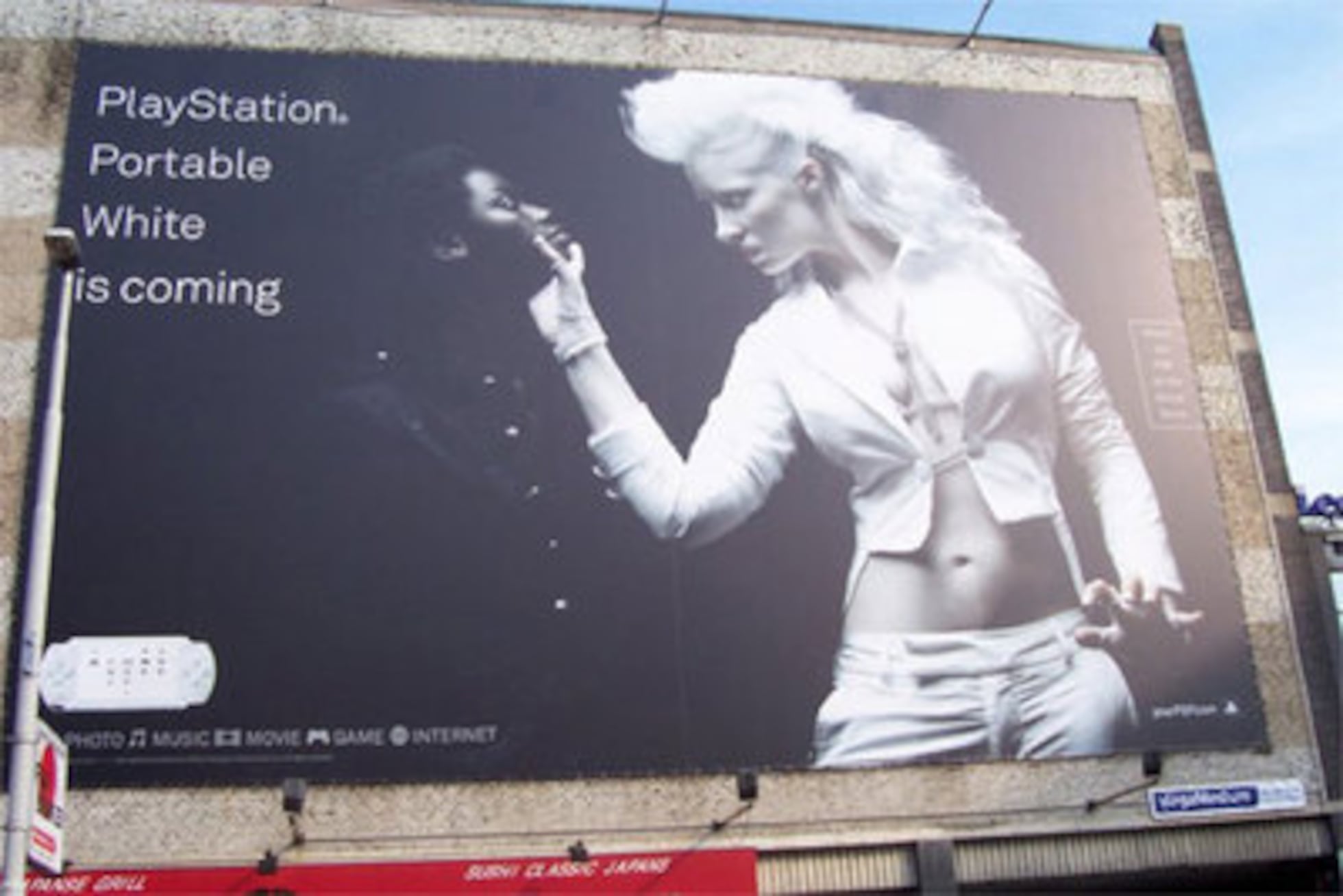
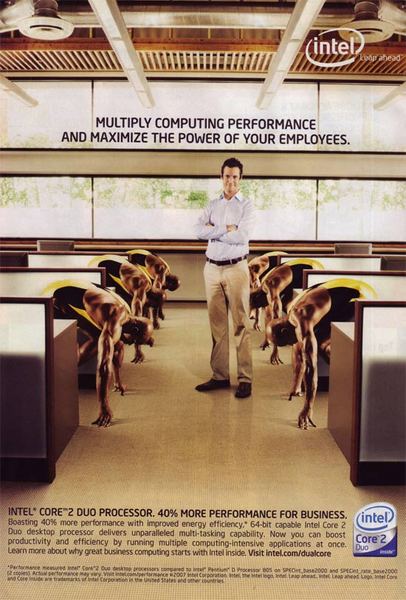
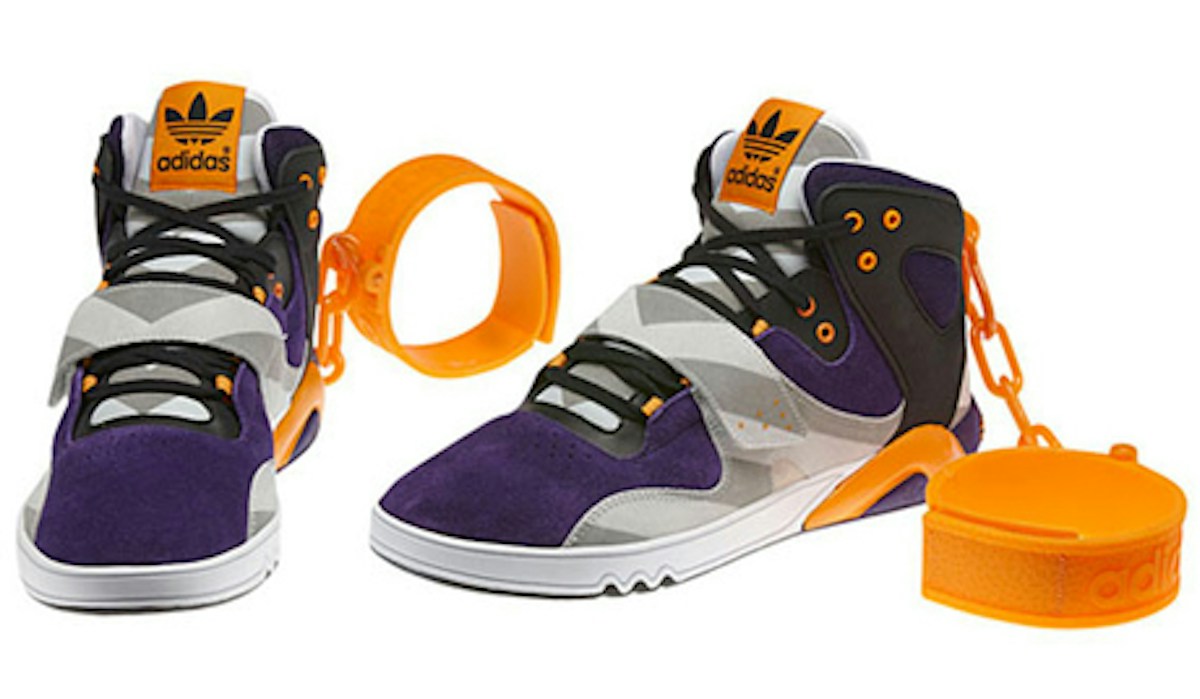
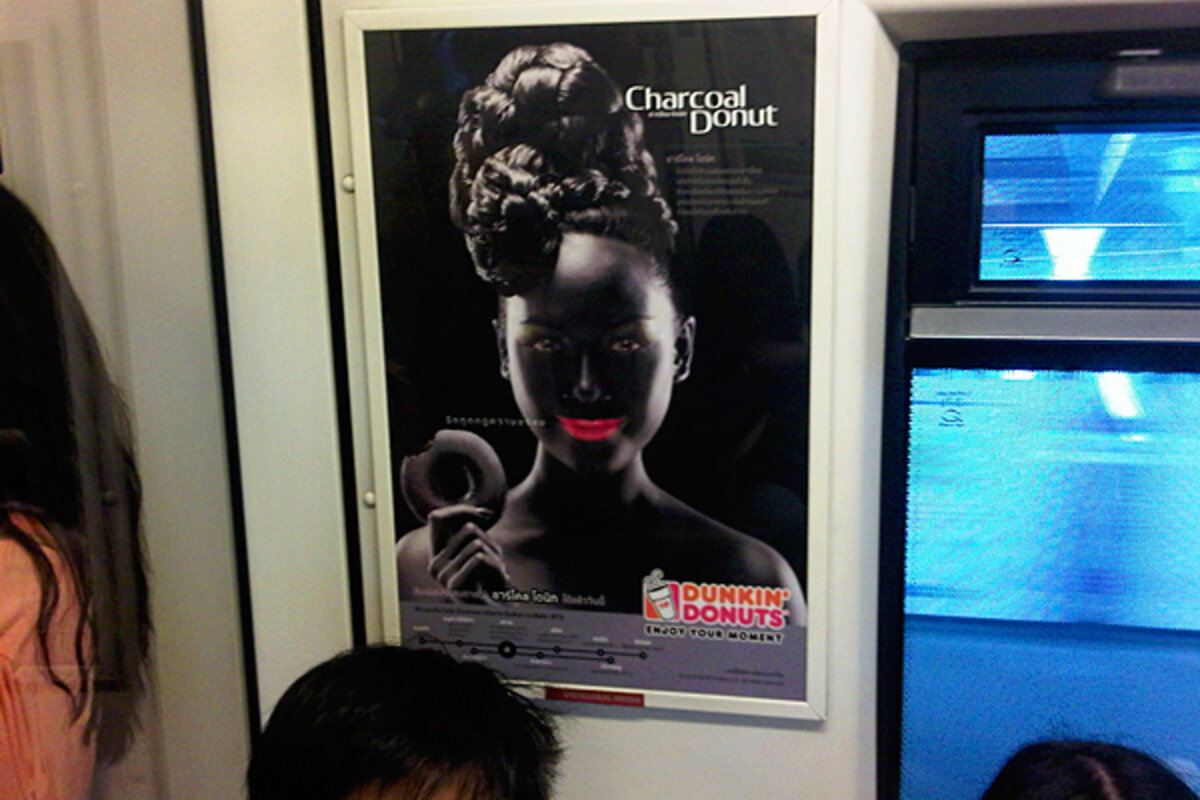
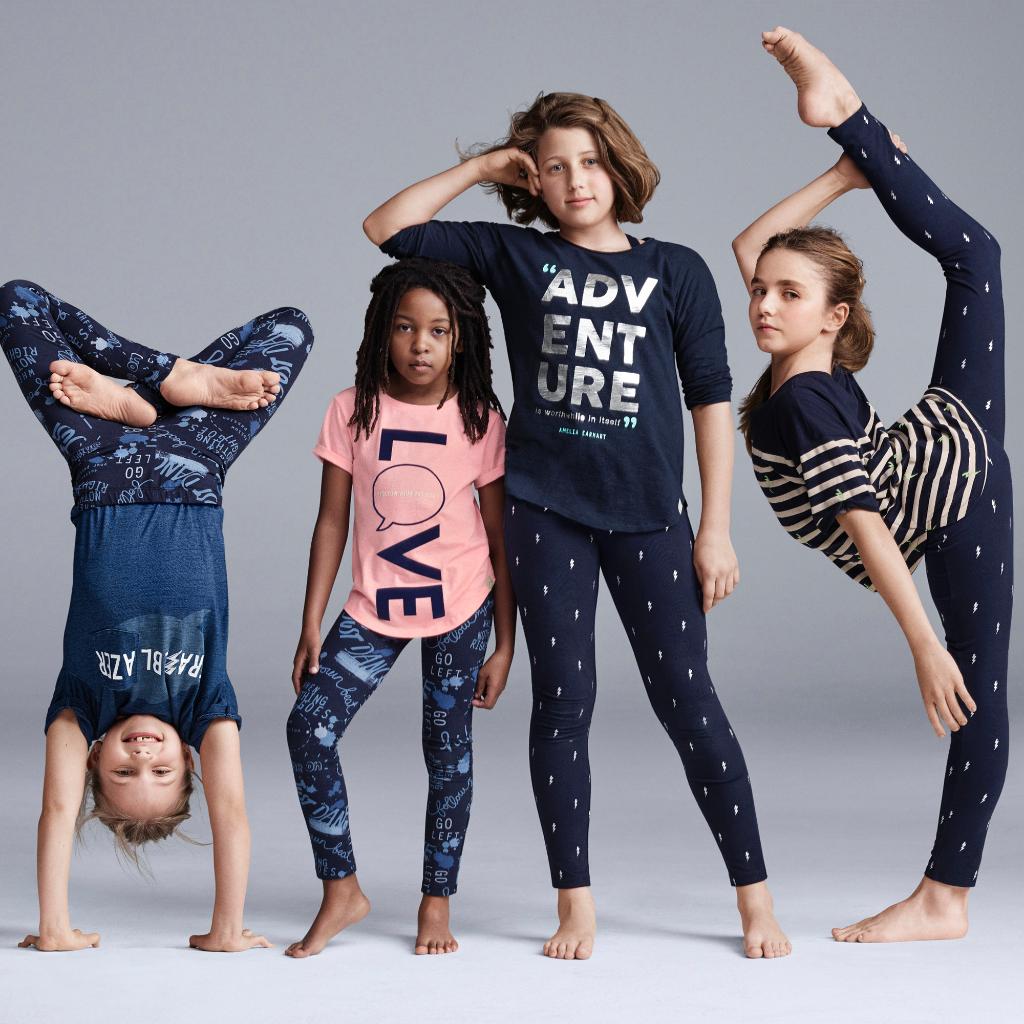
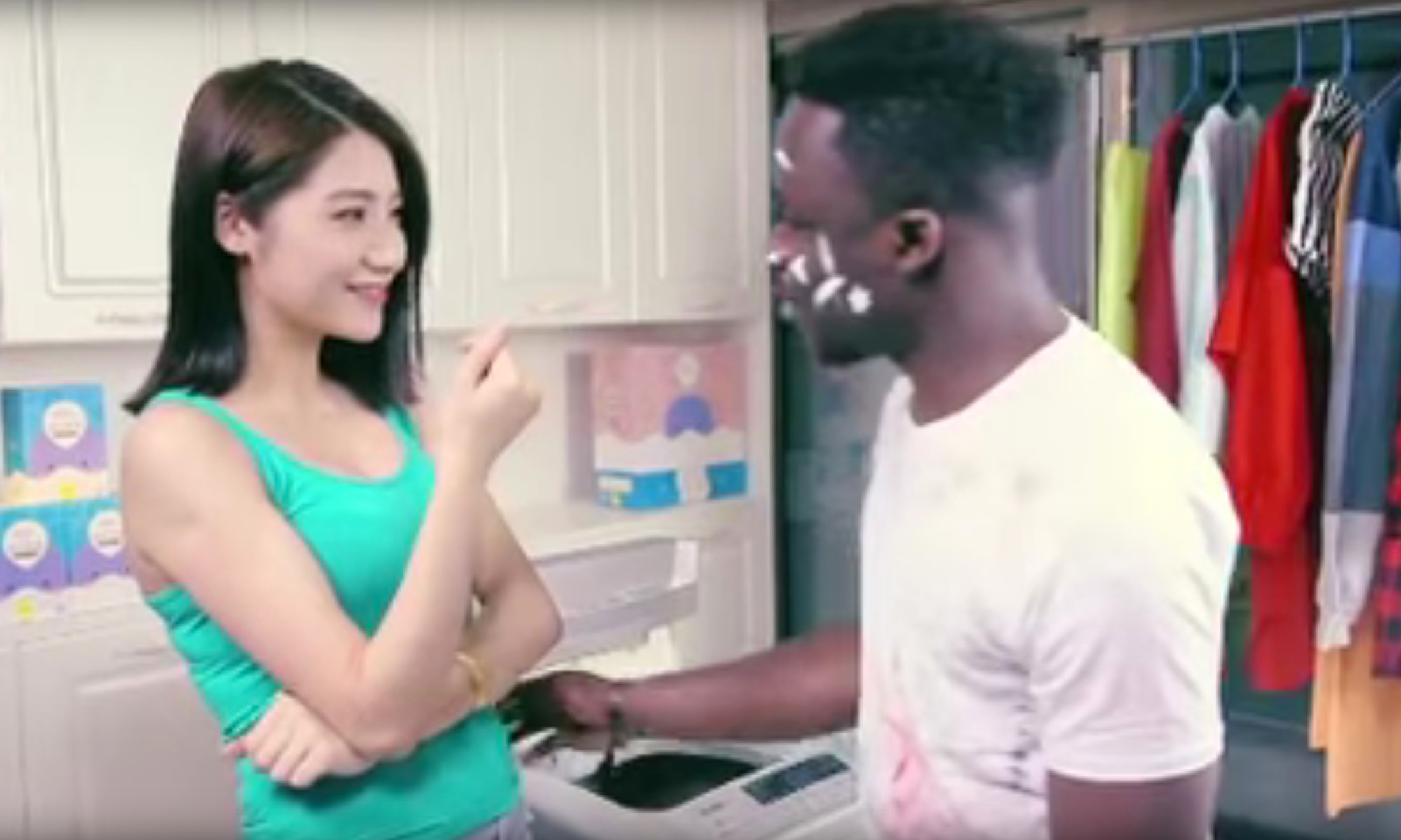
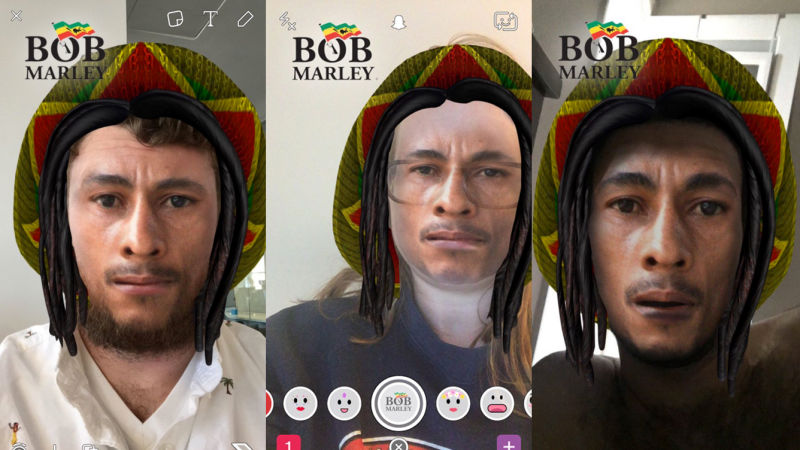
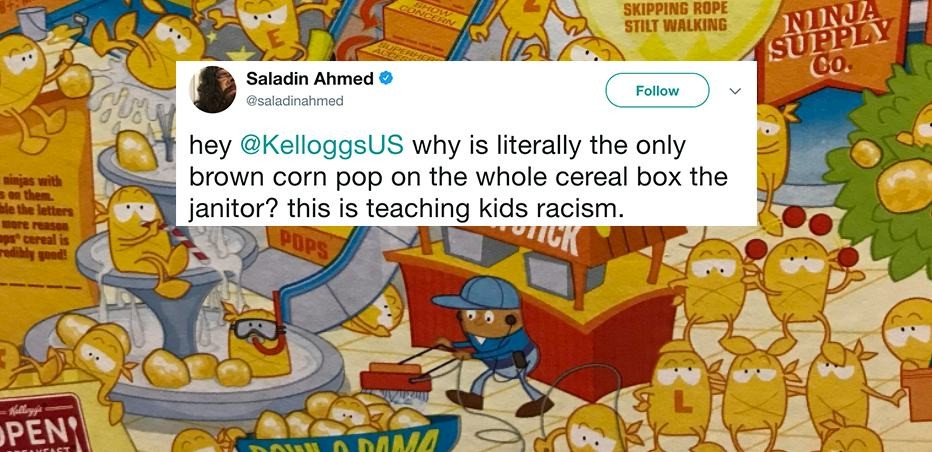
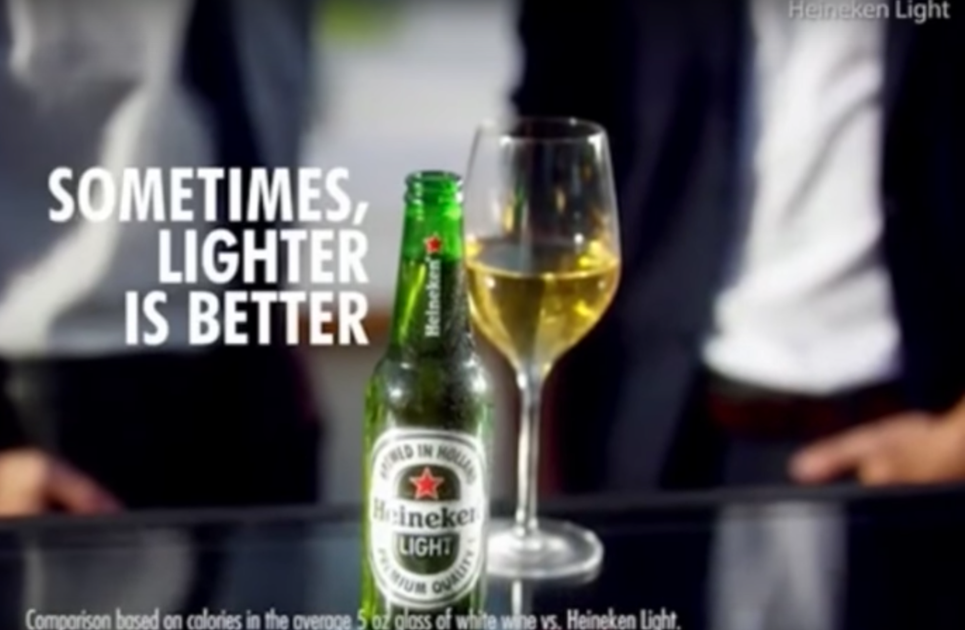
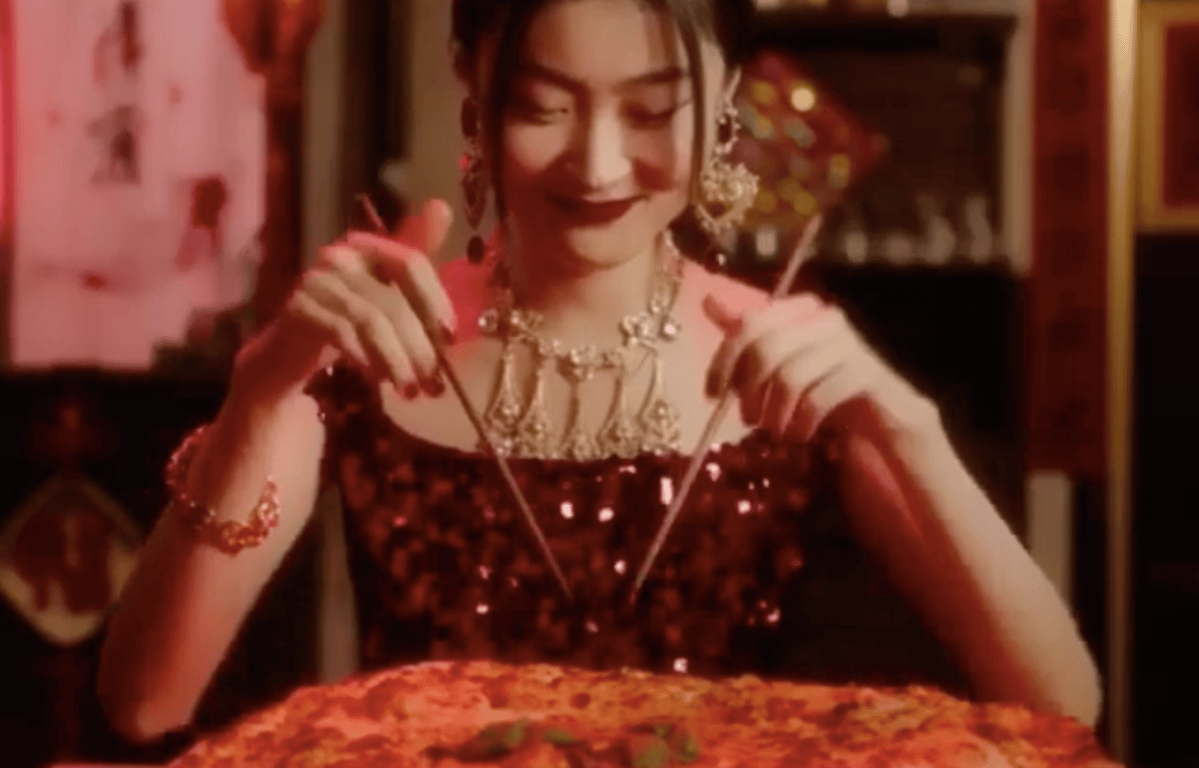
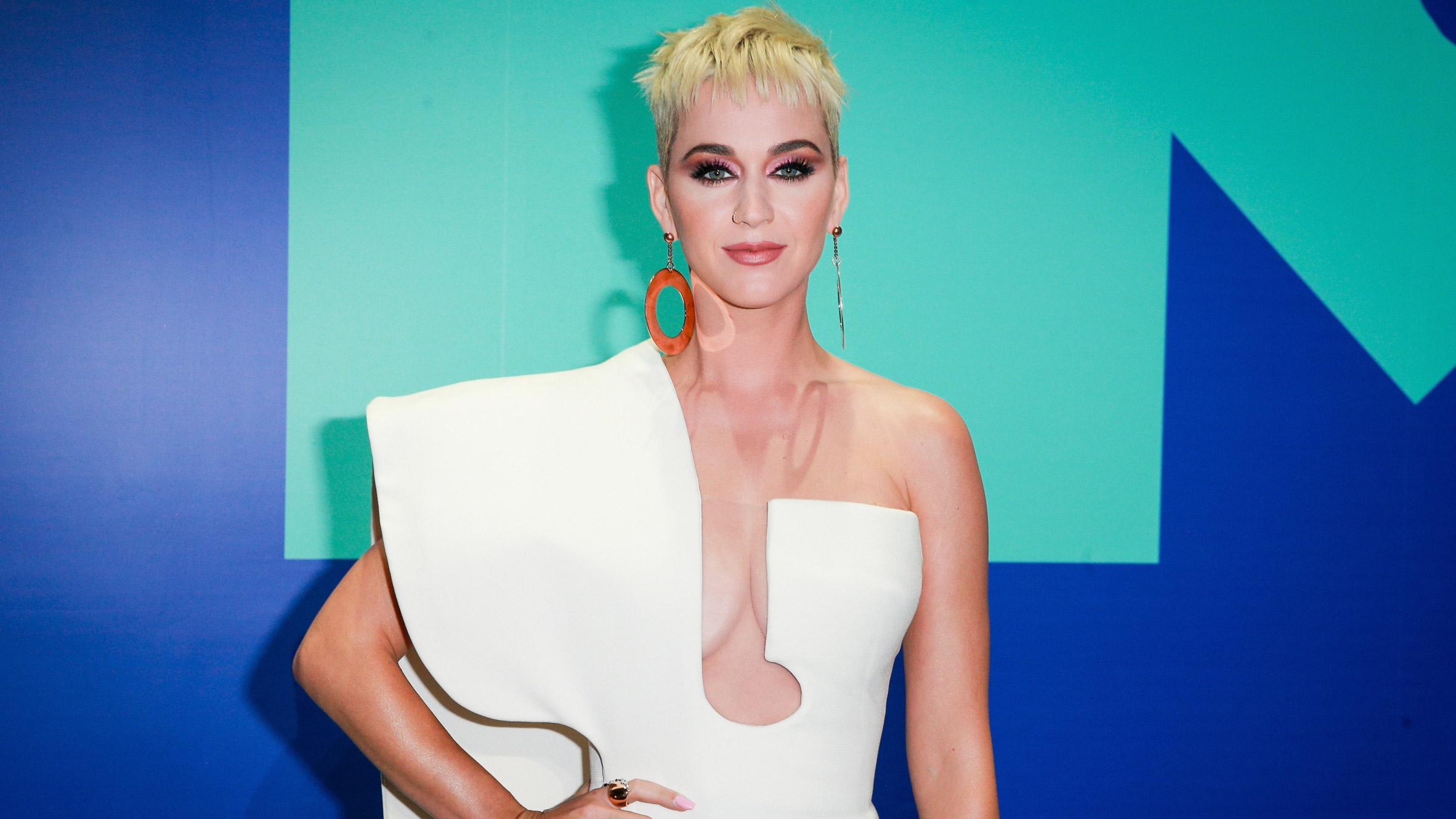
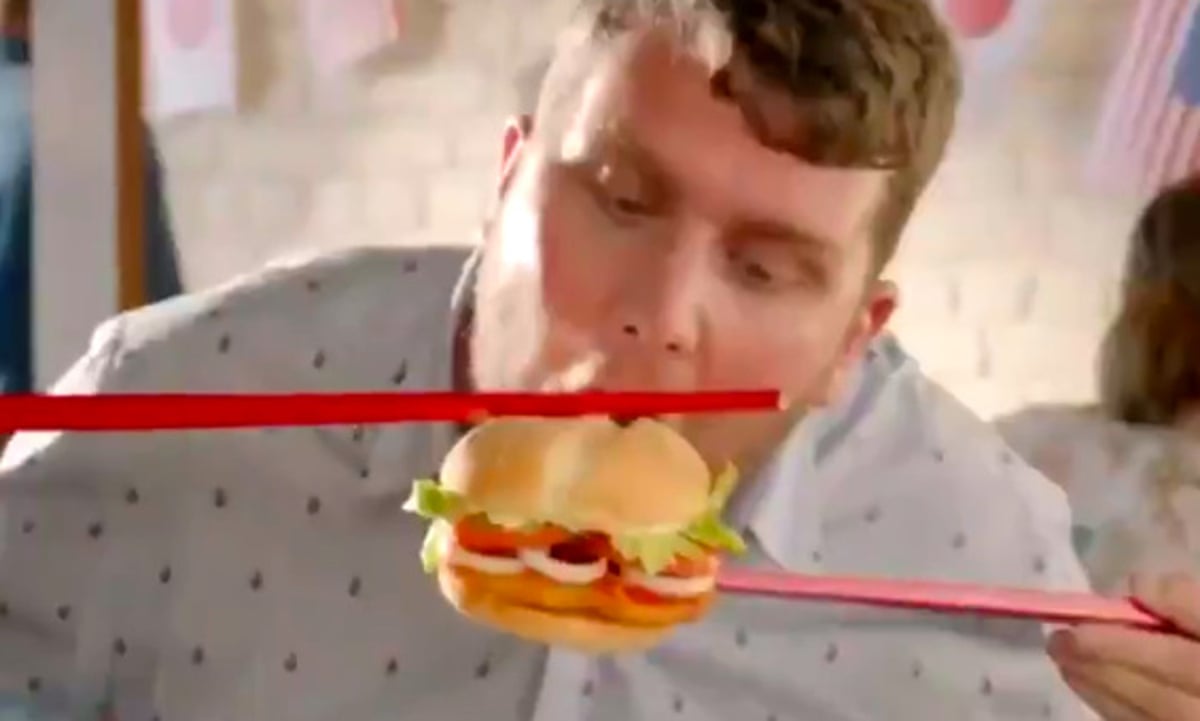
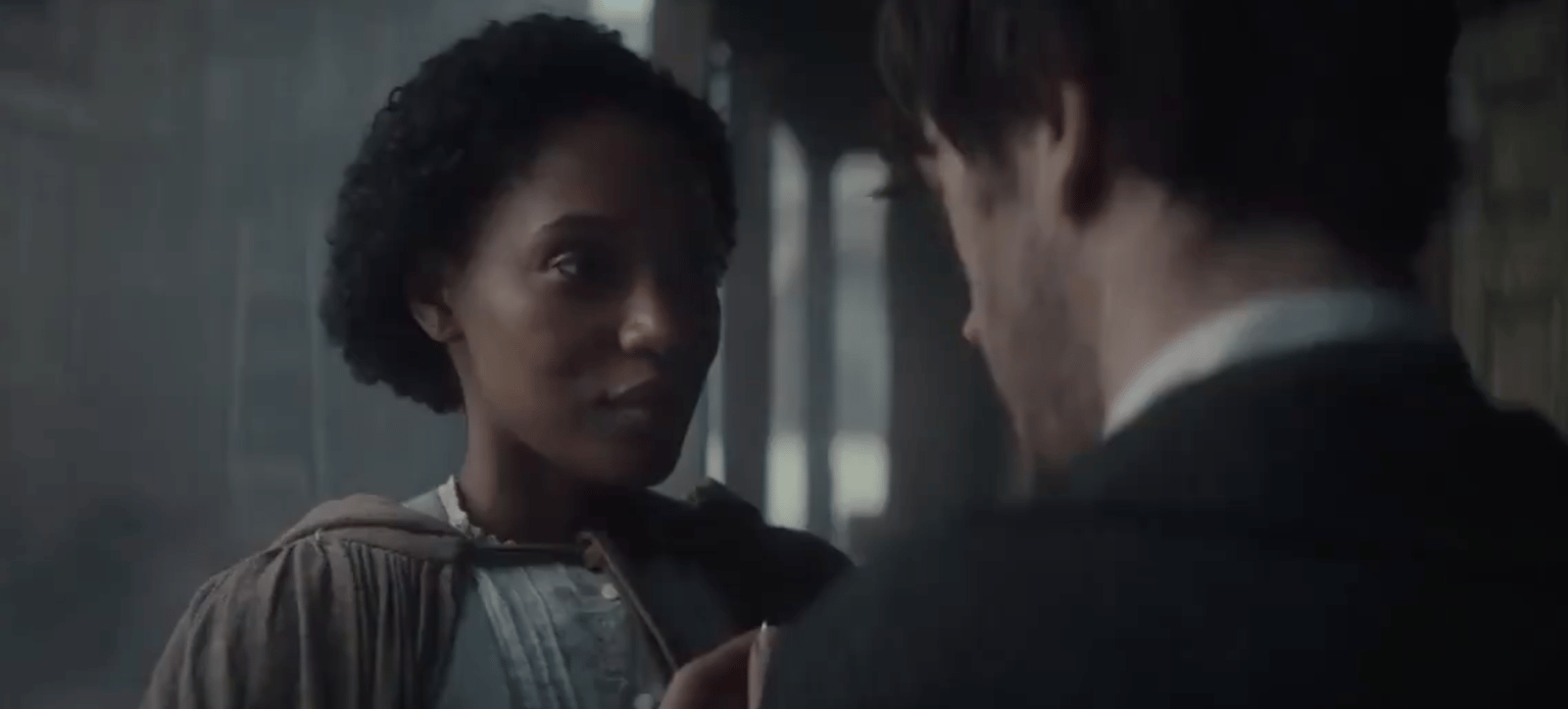
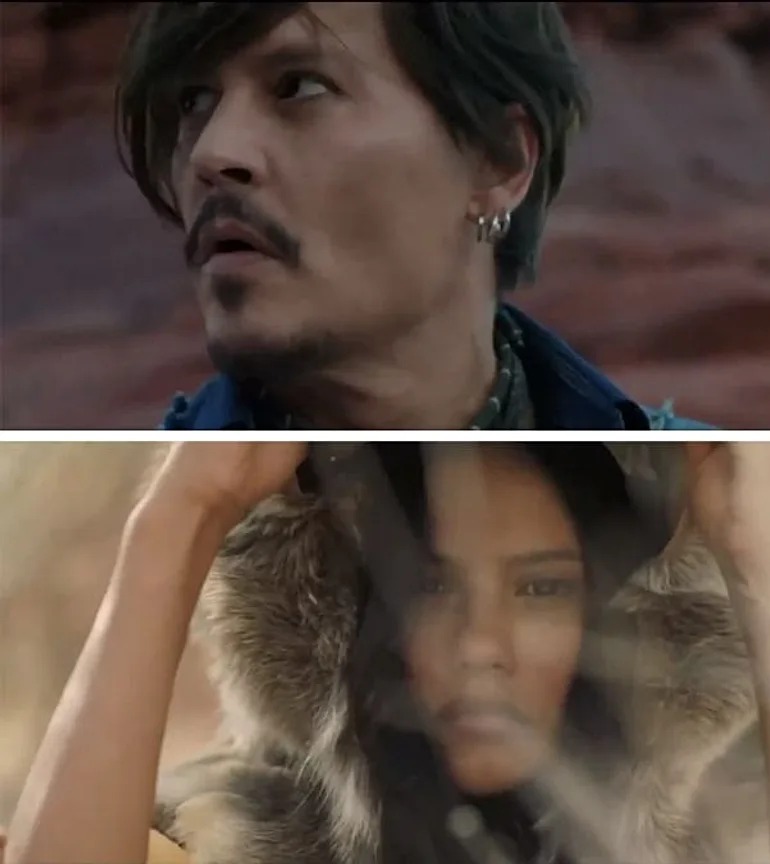
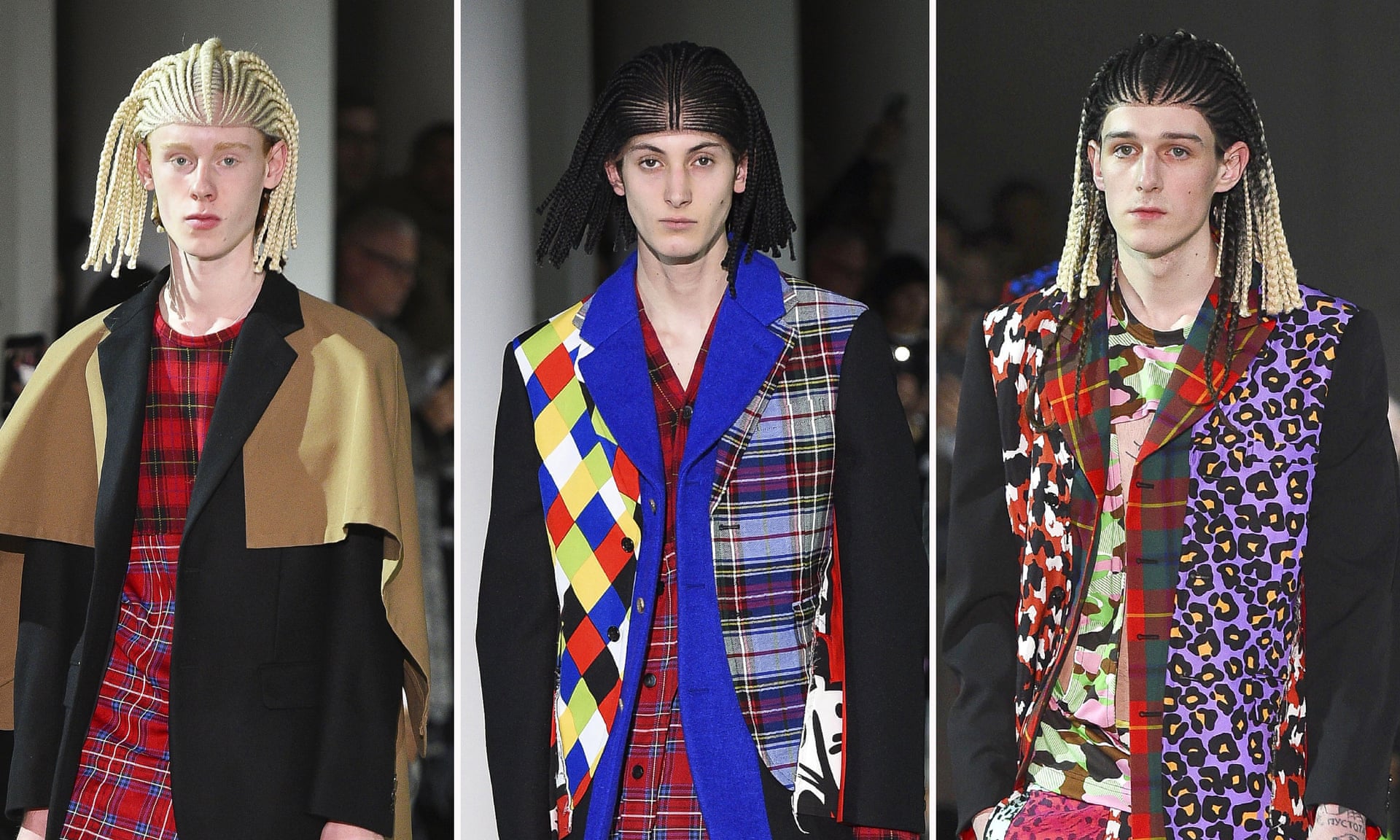

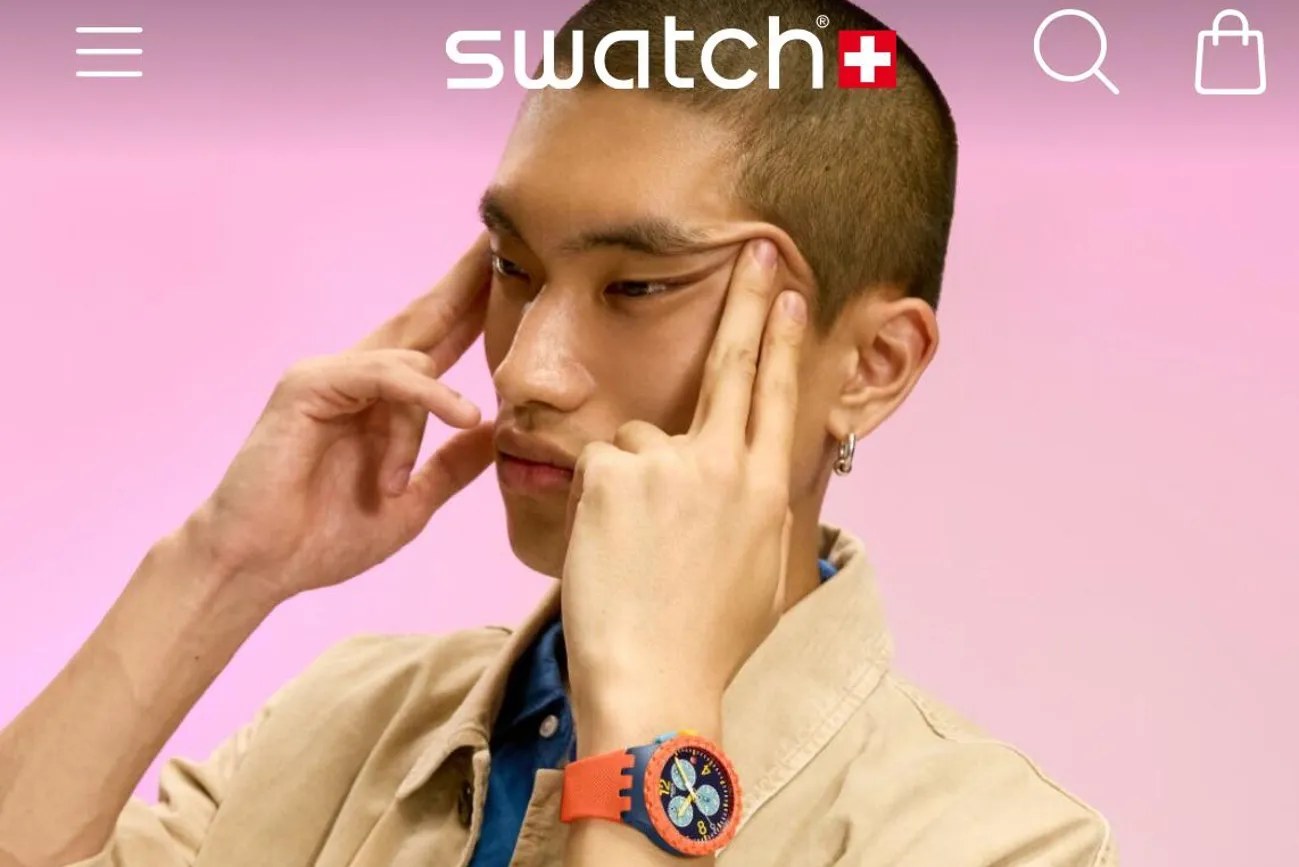
The remaining 17 cases from the table above, for reference. Full sourcing and context for each is in the underlying registry.
Two of these 32 cases — American Eagle and Dior's Sauvage teaser — are included as contested rather than settled; the table above reflects that they are not clean-cut caricature cases.
Why this matters more than any single ad
An apology is a statement. Accountability is what changes afterward.
For a company, an apology without a changed process can function as reputation management rather than accountability — it ends the public backlash without altering how the next campaign gets approved. That's not a uniquely corporate insight. As Mike Africa Jr. — a member of MOVE (a Philadelphia-based Black liberation group whose headquarters police bombed in 1985) — put it in 2020, in the context of demands for accountability over that bombing: "Apology without action is meaningless." Source: CBS Philadelphia, June 13, 2020.
The next time a company says sorry, the question worth asking isn't whether the apology sounds sincere. It's: has this company done this before — and what changed the last time?
You don't have to organize a boycott to act on that. You can accept the apology without restoring trust. Until behavior changes, you can withhold your money, attention, data and loyalty — quietly, on your own terms, for as long as you decide it's warranted.
A shorter, shareable version of this finding — same numbers, no reading required — is also live below.
We'll check Target and Converse's outcomes again in 2027 and update this piece.
Sources
The primary contemporaneous report for every case:
- Sony PSP (PlayStation Portable), "White Is Coming" (2006) — El País
- Intel, office-workers ad (2007) — The Register
- Dove/Unilever, VisibleCare (2011) — The Drum
- Nivea/Beiersdorf, "Re-civilize Yourself" (2011) — Los Angeles Times
- Adidas Originals, shackle sneaker (2012) — Marketing Week
- Mountain Dew/PepsiCo, "Felicia the Goat" (2013) — CBS News
- Dunkin' Donuts Thailand (2013) — Christian Science Monitor
- Zara/Inditex, sheriff shirt (2014) — Vogue UK
- GapKids x ED by Ellen (Ellen DeGeneres's kids' clothing line) (2016) — Christian Science Monitor
- Qiaobi detergent (2016) — The Guardian
- Snapchat, Bob Marley lens (2016) — TIME
- Pepsi, Kendall Jenner ad (2017) — TIME
- Nivea/Beiersdorf, "White Is Purity" (2017) — CBS News
- Dove/Unilever, body-wash GIF (2017) — ABC News
- Kellogg's, Corn Pops (2017) — Los Angeles Times
- H&M, "Coolest Monkey in the Jungle" (2018) — The Guardian
- Heineken, "Sometimes Lighter Is Better" (2018) — CBS News
- Dolce & Gabbana, chopsticks campaign (2018) — TIME
- Prada, Pradamalia figures (2018) — TIME
- Gucci, balaclava sweater (2019) — TIME
- Burberry, noose hoodie (2019) — Los Angeles Times
- Katy Perry Collections, face shoes (2019) — Washington Post
- Burger King New Zealand, chopsticks ad (2019) — The Guardian
- Ancestry, "Inseparable" (2019) — TIME
- Dior, Sauvage teaser (2019) — The Guardian
- Comme des Garçons, cornrow wigs (2020) — The Guardian
- Volkswagen, Golf 8 clip (2020) — Volkswagen Group
- Zara/Inditex, Atelier "The Jacket" (2023) — TIME
- American Eagle, Sydney Sweeney "great jeans" (2025) — ABC Australia
- Swatch, eye-pull gesture (2025) — Associated Press
- Target, Hyde & EEK! costume (2026) — Associated Press
- Converse/Nike, Chuck 70 X campaign (2026) — Associated Press
A full research registry with additional corroborating sources, company statements, and creative-credit research for each case is available on request.
Separately, three legacy brand identities — Aunt Jemima, Uncle Ben's and Cream of Wheat's chef portrait — were retired industry-wide in 2020. Those are longstanding identities changed in the broader 2020 reckoning, not single ad-campaign failures, so they sit outside the 32-case count above.