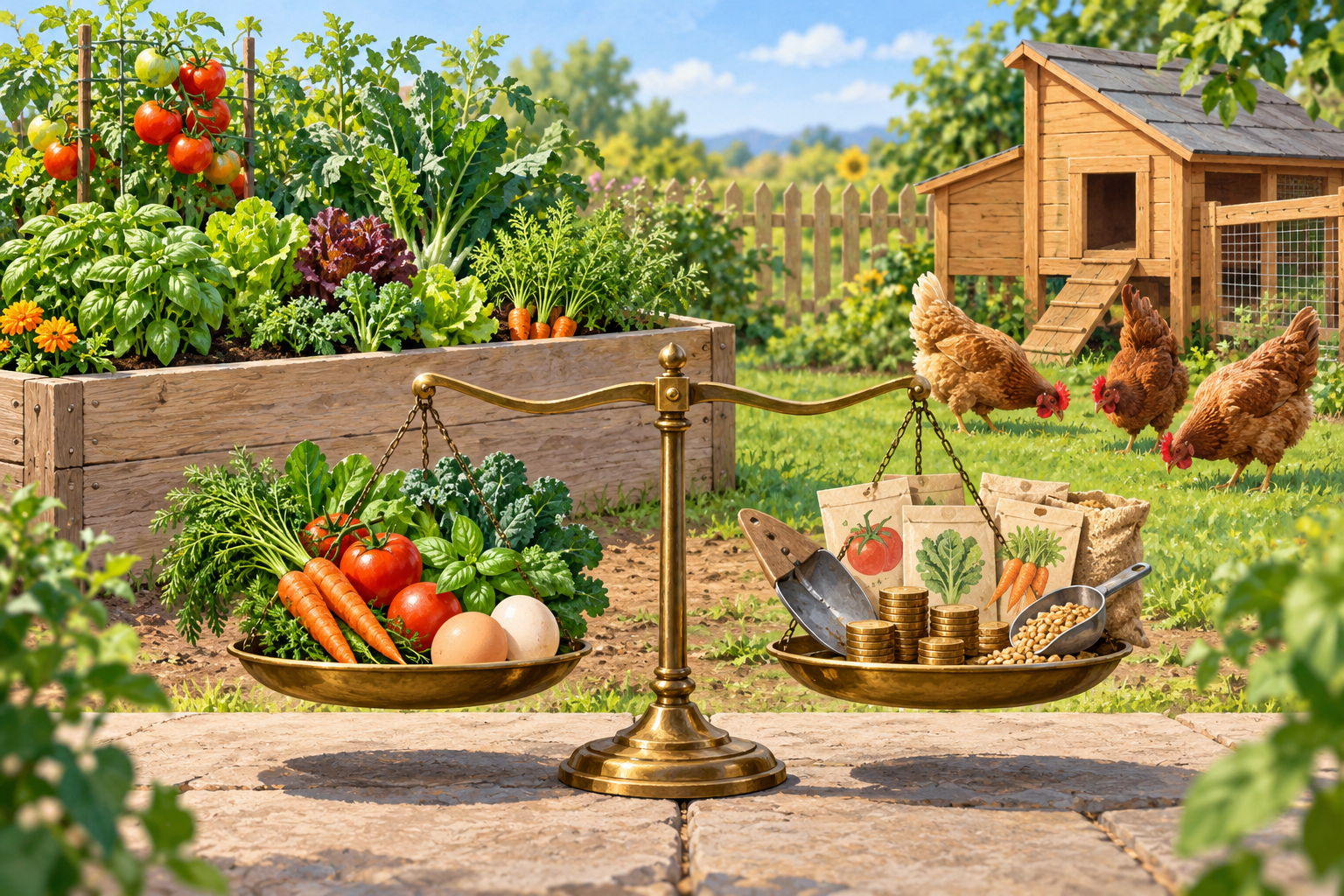
The Real Economics of Growing Your Own Food
It won't fix your grocery bill, and it isn't a waste of time either. One family tracked every dollar and grew $2.73 of food for every $1 they spent. But add up everything, and a backyard egg costs about $1.98. The honest answer to "does this save money" is always: compared to what?
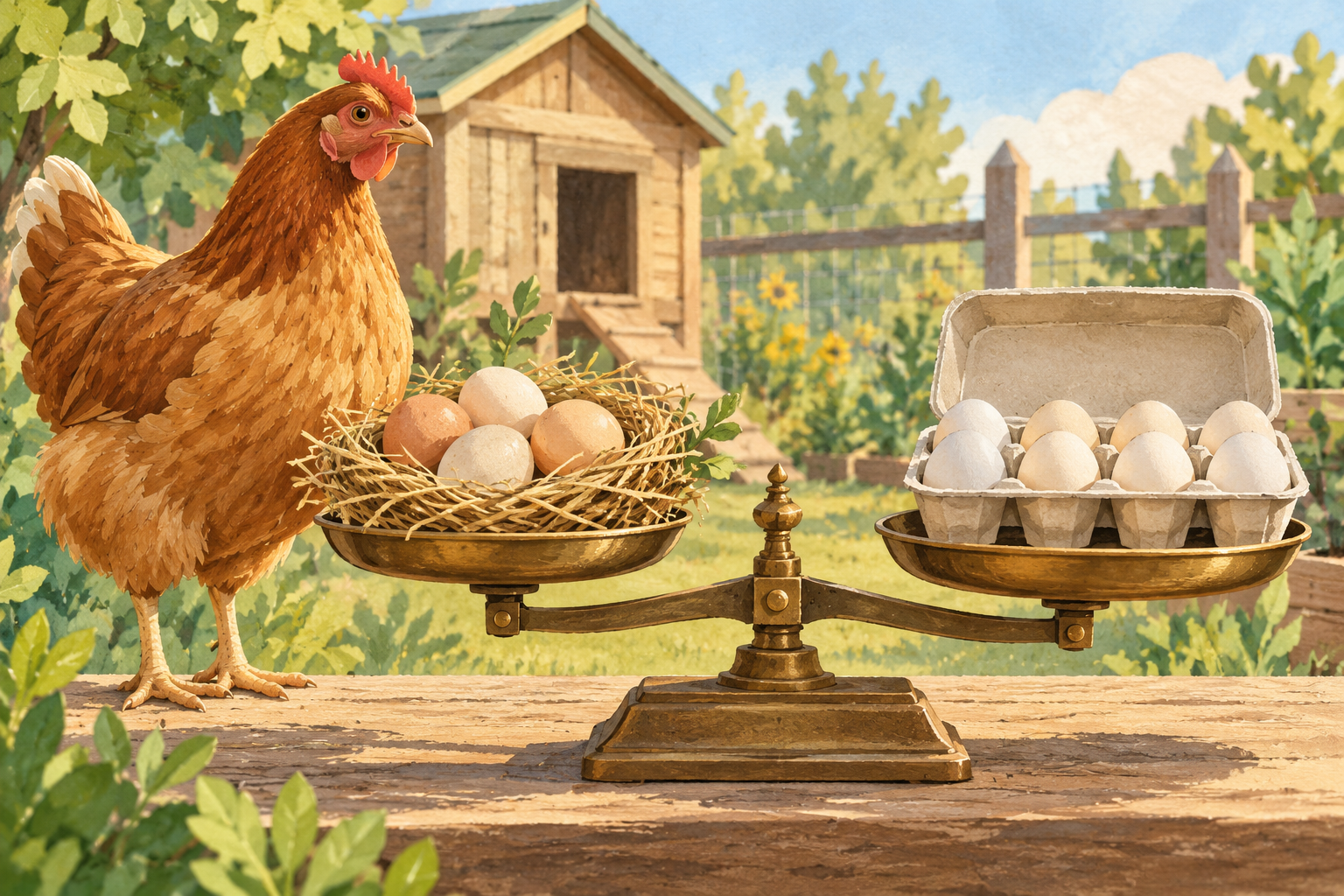
Backyard Chickens Won't Beat the Cheapest Eggs at the Store. Here's What They Do Beat.
Add up the coop, the feed, the birds, and everything else, and a backyard egg costs close to $1.98 — more than a supermarket carton. But most people asking aren't buying the cheapest eggs. Against farmers-market prices, five hens can save a household a few hundred dollars a year.
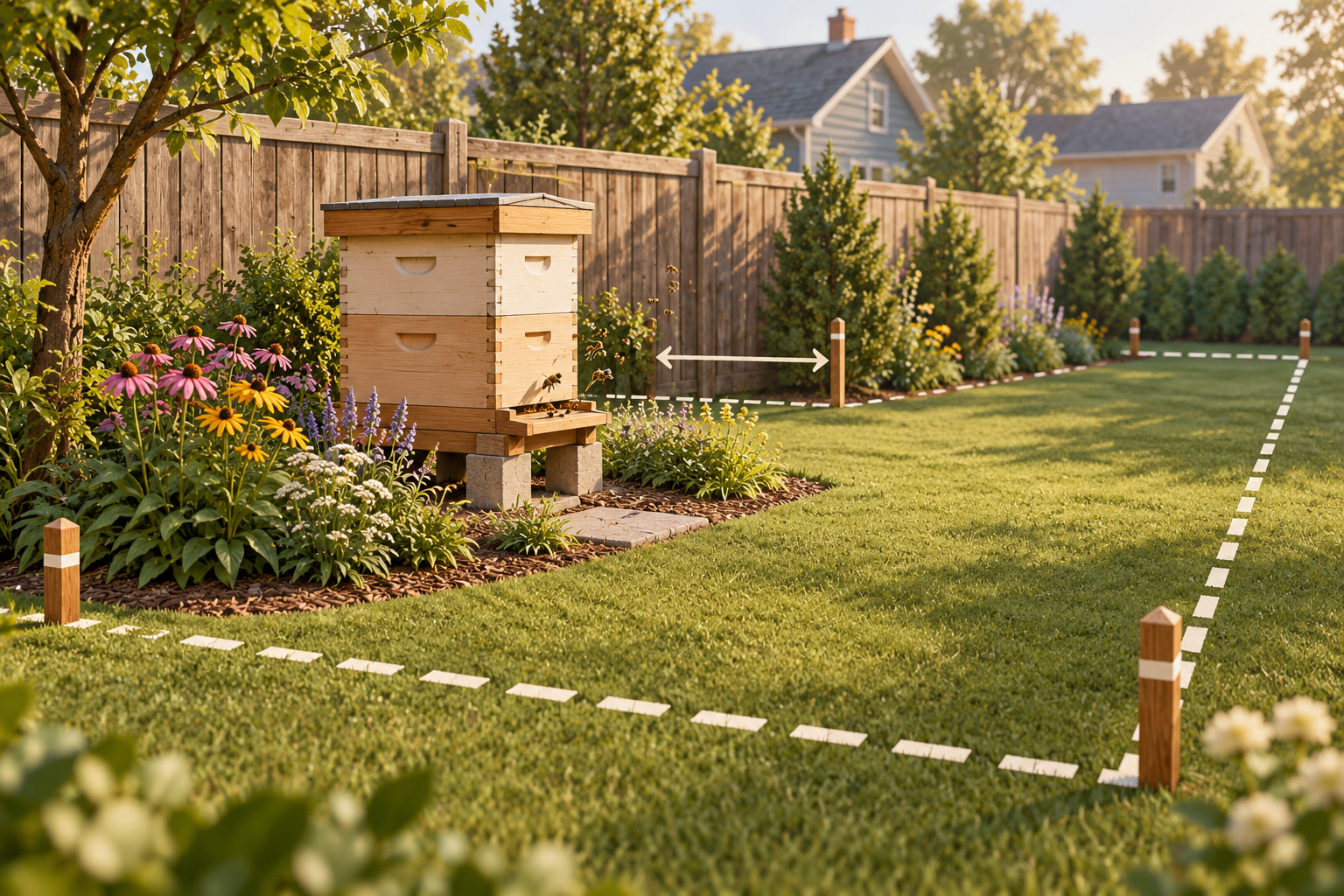
What a Beehive Really Costs — and What Your City Actually Allows
Year one runs $750 to $1,500. But for most people the real obstacle isn't money — it's a zoning rule they never looked up. Cleveland allows one hive per 2,400 square feet of lot. Madison allows six, with no minimum. Alameda caps most neighborhoods at two.
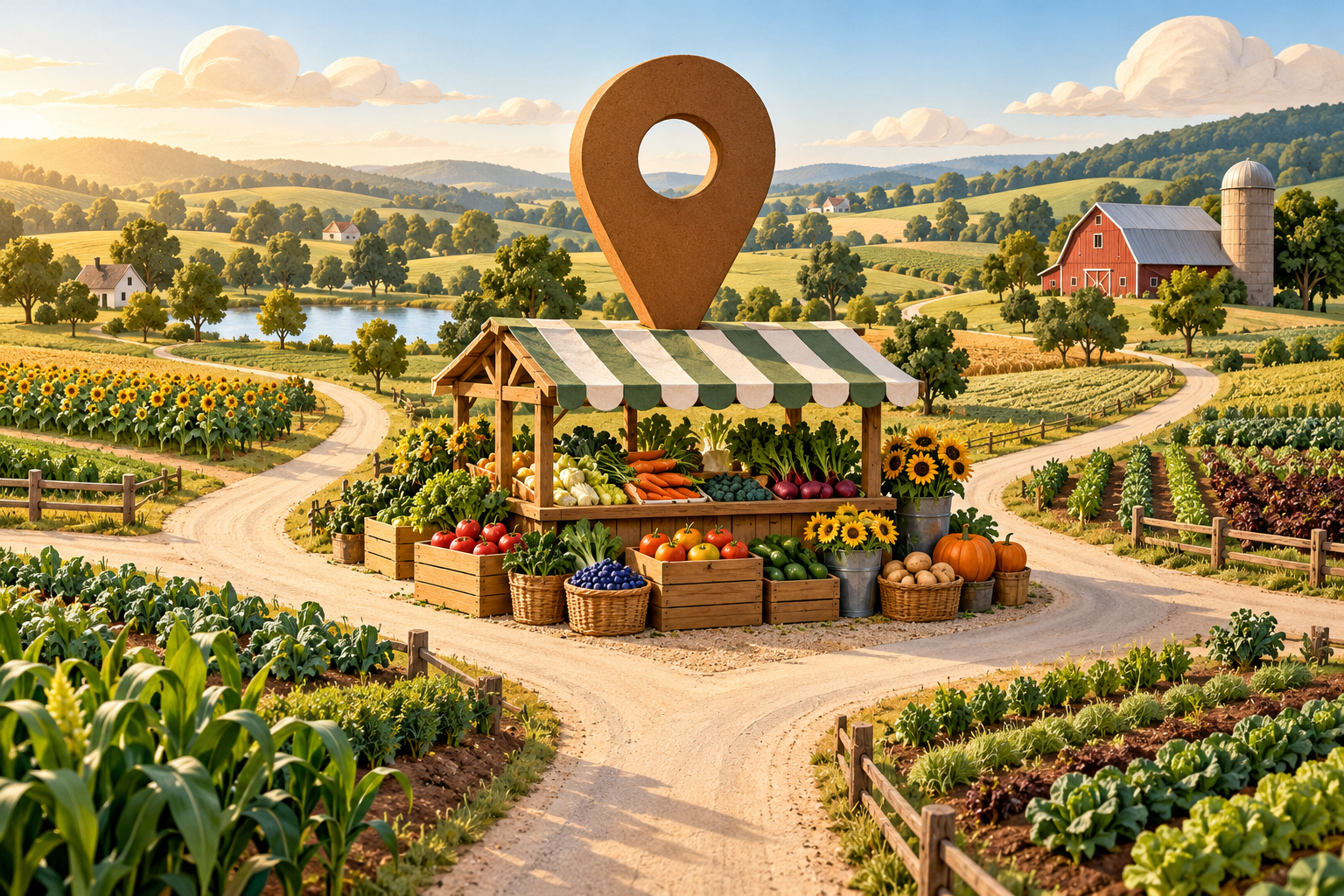
You Don't Need an App to Find Your Farmer. The Government Already Built One.
The USDA runs a free directory of 7,148 farmers markets and 2,002 CSA farms, searchable by ZIP code. A nonprofit runs a bigger one — more than 30,000 farms, markets, and local grocers. Neither advertises, which is most of why you've never heard of them.
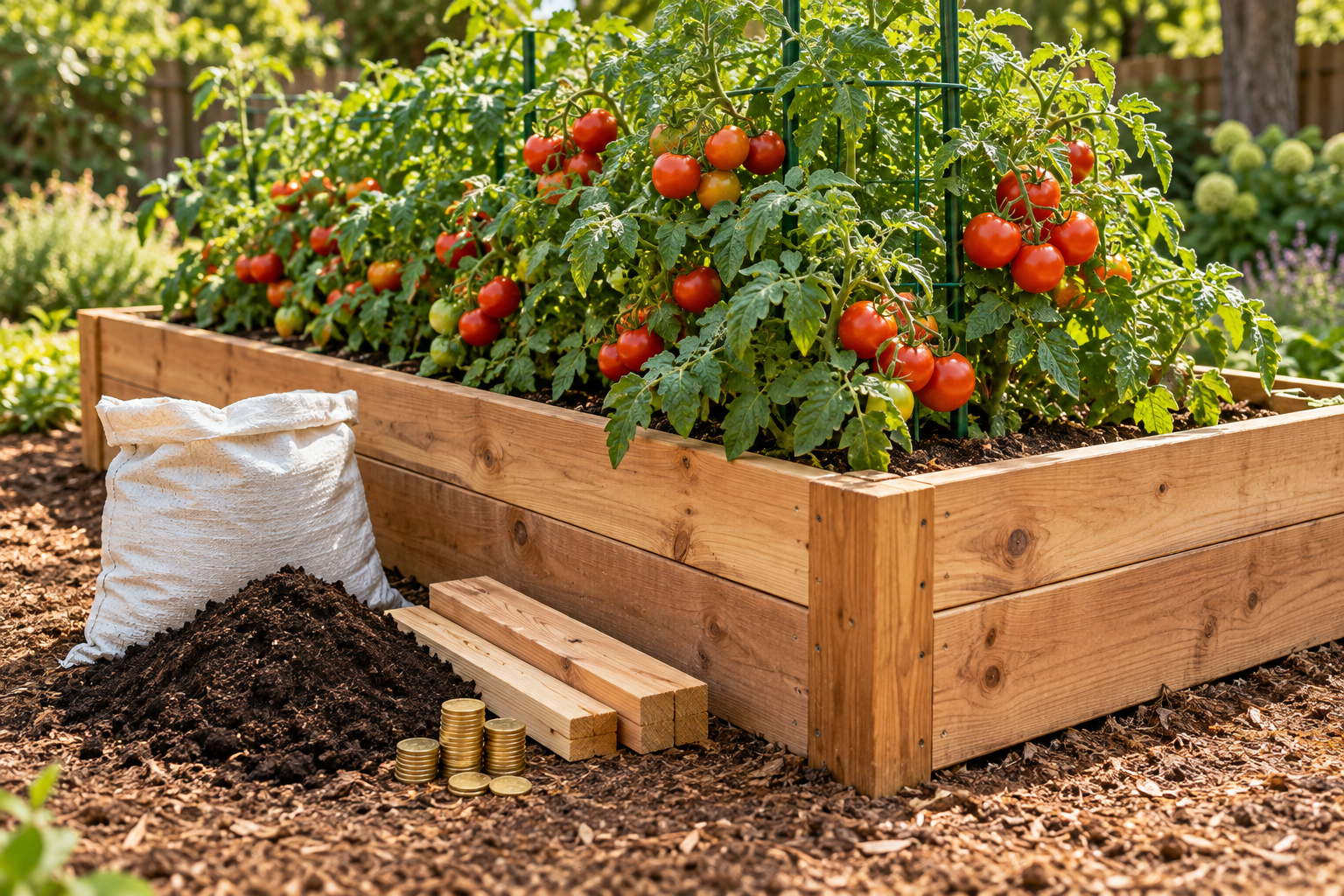
What One Raised Garden Bed Actually Costs, and What It Actually Grows
A 4x8 bed runs $83 to $455 to build, or about $24 a year spread over its life. What it grows depends on what you plant: a bed of tomatoes can hand you 100 to 150 pounds in one summer. Raised beds grow 2 to 5 times more per square foot than rows — the advantage is density, not soil.
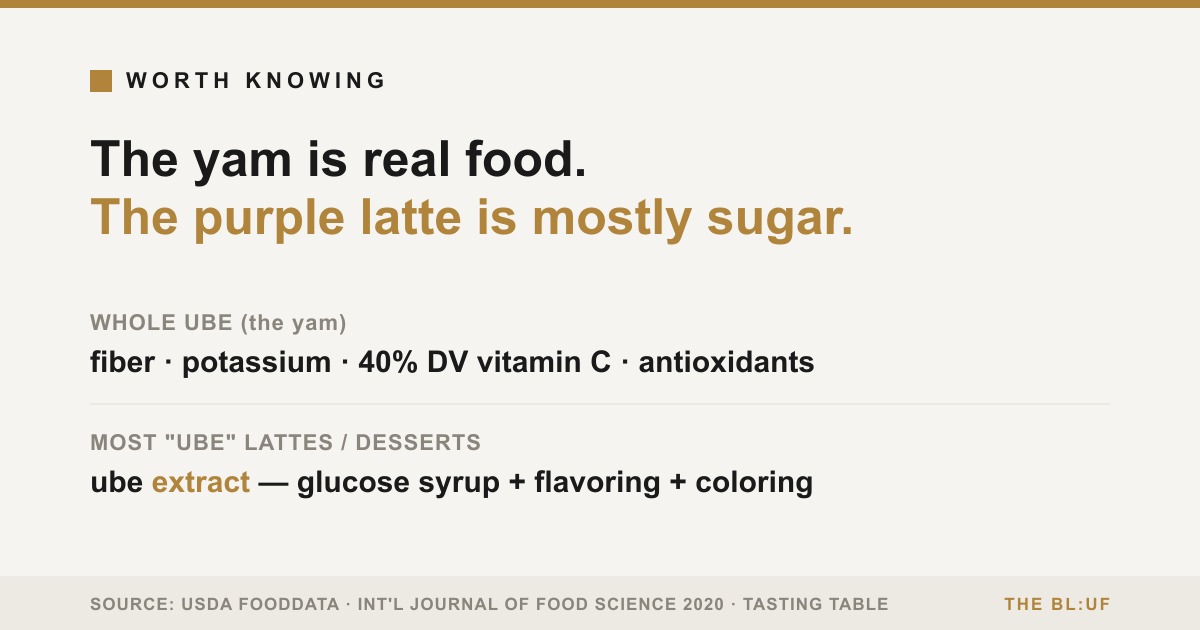
Ube Is Genuinely Nutritious — But Most Ube Lattes Are Sugar and Flavoring, Not Yam
The whole purple yam from the Philippines is a legitimately good food: fiber, potassium, a surprising amount of vitamin C, and the purple-colored antioxidants (anthocyanins) that also make blueberries healthy. But it is not a miracle "superfood," and here is the catch — most of what is sold as ube right now (lattes, syrups, flavored desserts) is ube extract or flavoring, mostly glucose syrup and coloring with little or no actual yam. Eat the real thing for the benefits; the trendy purple drink is closer to a dessert.