What's documented
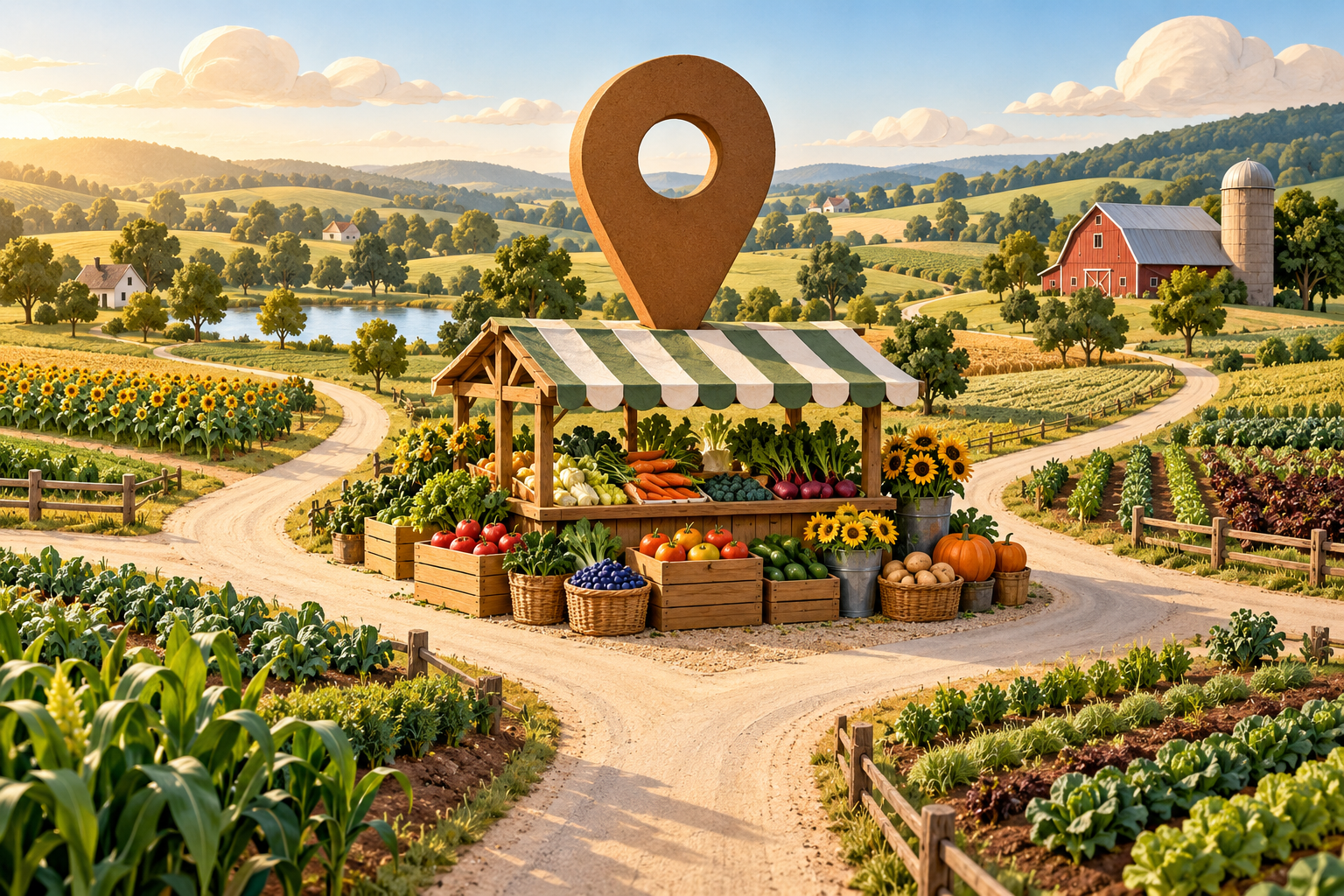
You don't need an app to find out who grows your food. You don't need a subscription or a startup either.
The federal government already runs a free directory. A nonprofit runs a bigger one. Almost nobody has heard of either.
The two real tools
The USDA keeps a set of Local Food Directories, built from information the markets and farms submit themselves.
Farmers markets. The national directory lists 7,148 of them. You can search by location, hours, what they sell, and how they take payment — including whether they accept SNAP.
CSA farms. A separate directory lists 2,002. A CSA sells you a season of produce up front, then delivers through the growing season. Think of it as a subscription to a farm.
Add food hubs and the USDA's directories cover more than 13,500 local food sources nationwide.
Then there's LocalHarvest.org. It's a nonprofit, not a government site, and its database is bigger: more than 30,000 family farms, markets, CSAs, restaurants, and grocers across the US and Canada. Search by ZIP code.
Why almost nobody uses them
Neither one advertises.
There's no app store listing. No marketing budget. No reason either would surface if you searched "find local farms" without already knowing the name to look for. The USDA announced its own directory updates in a blog post. LocalHarvest has quietly existed for years inside the sustainable-agriculture world.
Both are free. Both are current. Both are far more complete than the one farmers market you already know about downtown.
What this piece is not saying
We haven't checked every listing in either directory ourselves. And being listed doesn't mean a farm meets any particular standard for how it grows or raises what it sells. That's still a question you ask the farm.
What's here is narrow: these two directories are real, they work, they're free, and they're more thorough than most people would guess.
What can I do?
Search your own ZIP code right now. The USDA farmers market directory and LocalHarvest both work immediately. No account needed.
Check the CSA directory before the season fills. CSA shares usually sell once a year, often before anything is planted. The USDA CSA directory is the fastest way to see what's near you before the spots are gone.
Ask the market, not just the directory. A directory tells you a place exists. It doesn't tell you how far the food traveled or how it was grown. That's a conversation to have with the person who grew it.