The tax credit you may be counting on is gone
Start here, because a lot of outdated buying guides still assume it. The One Big Beautiful Bill Act (P.L. 119-21) ended the federal clean-vehicle tax credits. Any new EV bought after September 30, 2025 no longer qualifies for the $7,500 credit, and used EVs no longer get the $4,000 one. If a dealer or an old article implies you'll get money back from the IRS, that is no longer true. Budget for the full price.
Charging comes in three speeds — and they are very different
Level 1 is a regular wall outlet. It adds only about 3 to 5 miles of range per hour. Fine as a trickle overnight, useless in a hurry.
Level 2 is a 240-volt line, the kind a dryer uses. It adds roughly 20 to 30 miles per hour and fully charges most cars overnight. This is what a home charger installs, and it is the setup that makes owning an EV painless.
Level 3, or DC fast charging, is the public station that adds a big chunk of range in about half an hour. It is what you use on road trips, not every day.
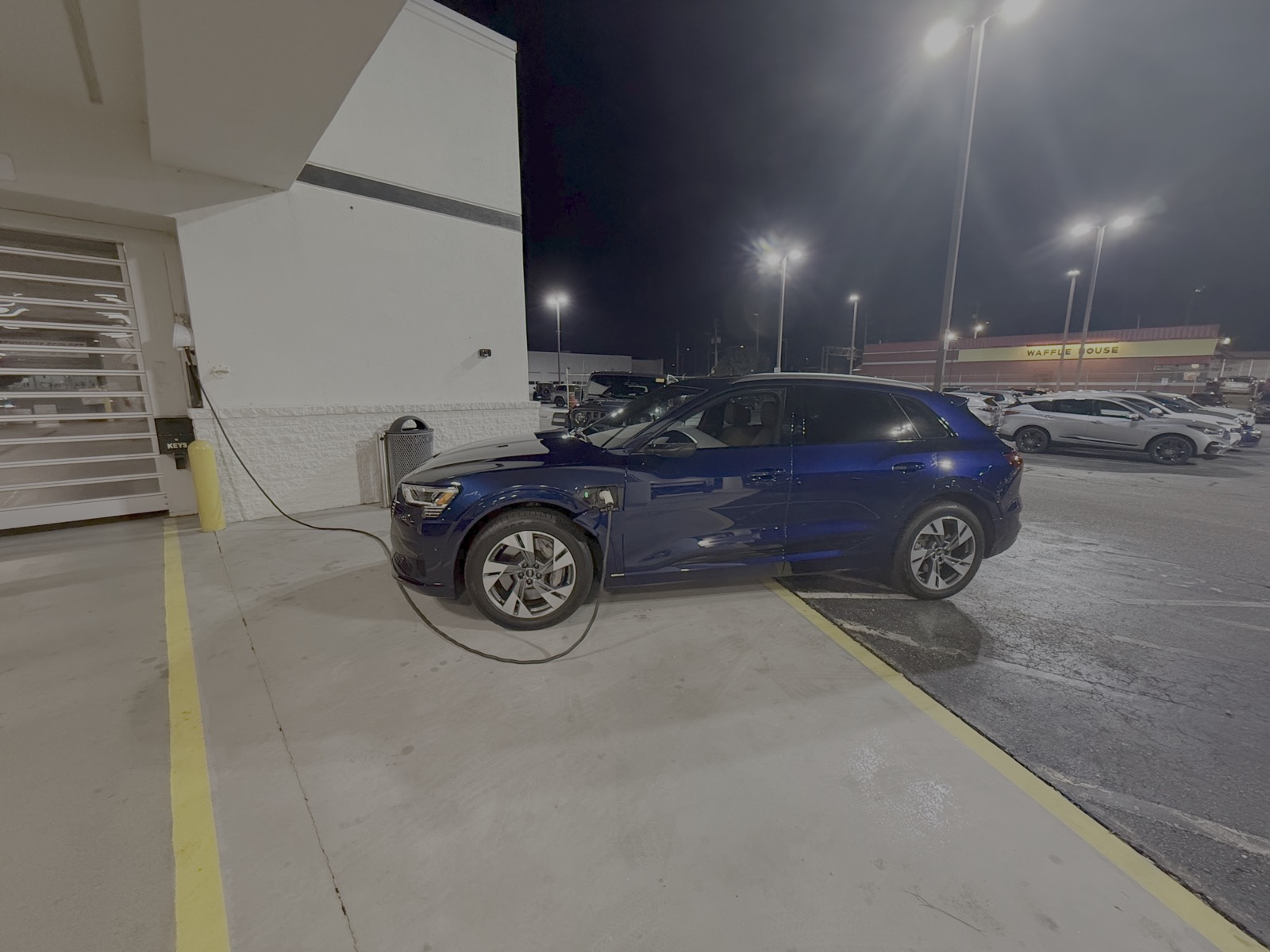
Real-world charging is often improvised — topping up from whatever outlet you can find, wherever you can find it.
Not every plug fits every car
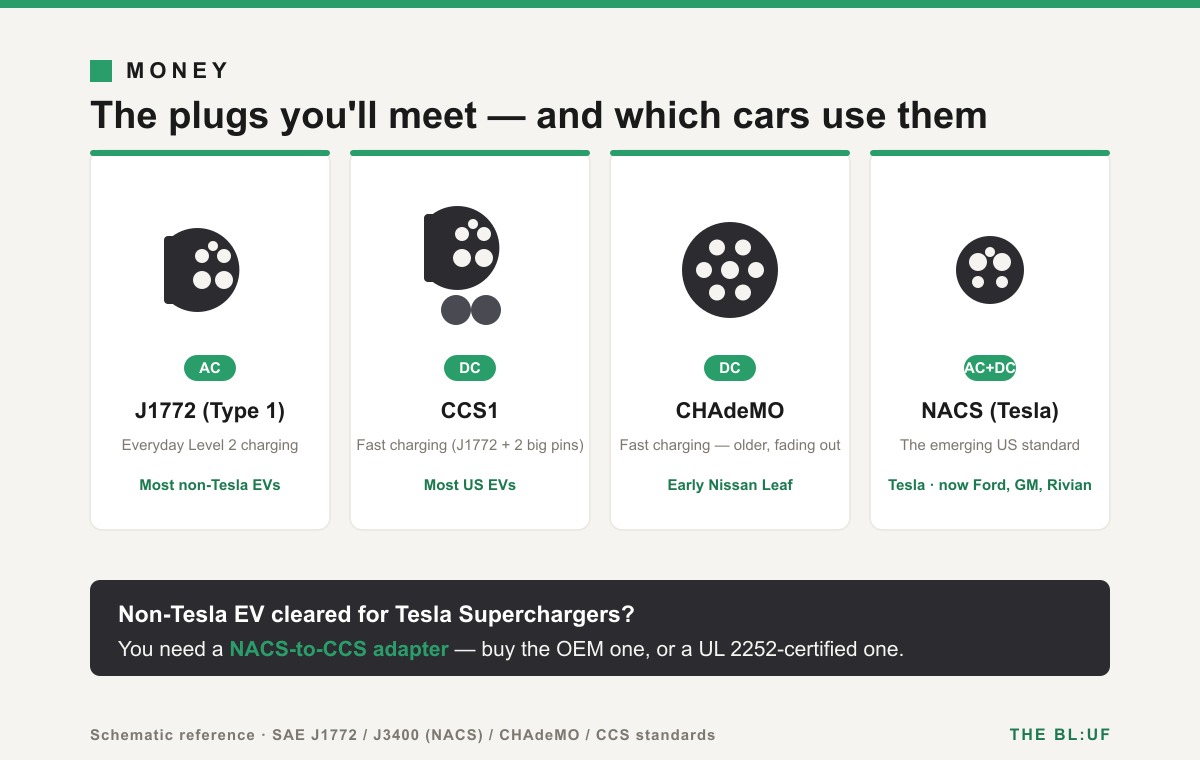
This is the surprise that catches new owners. For years there were competing connectors: J1772 for everyday Level 2, CCS1 for fast charging, and the older CHAdeMO that a few cars like the early Nissan Leaf used. Show up to a fast charger with the wrong plug and you simply cannot charge.
It is getting better. The industry is standardizing on NACS, the connector Tesla designed, and Tesla's Supercharger network — long the most reliable one — has opened to other brands, usually through an adapter. But you still need to know your car's plug and carry the right adapter before you rely on any station.
The Tesla-Supercharger adapter, specifically. If your non-Tesla EV is cleared to use Tesla's Superchargers — many Ford, GM, Rivian, and other CCS1 cars now are — you'll usually need a NACS-to-CCS adapter to physically connect. Some automakers give qualifying owners the official adapter for free; otherwise Tesla sells one, and third-party versions run about $150–225 online (Amazon and EV retailers stock them). One safety rule worth following: buy the automaker's adapter or one that is UL 2252-certified — Tesla warns against uncertified no-name adapters, and a bad one is handling hundreds of volts.
The chargers break, and the apps multiply
Plan for public chargers to be down. Screens freeze, cables get damaged, stalls sit "temporarily unavailable" for weeks. Always have a backup station in mind. And because different networks each want their own account, you can end up with a half-dozen charging apps just to pay. Home charging sidesteps almost all of this — you plug in, you walk away.
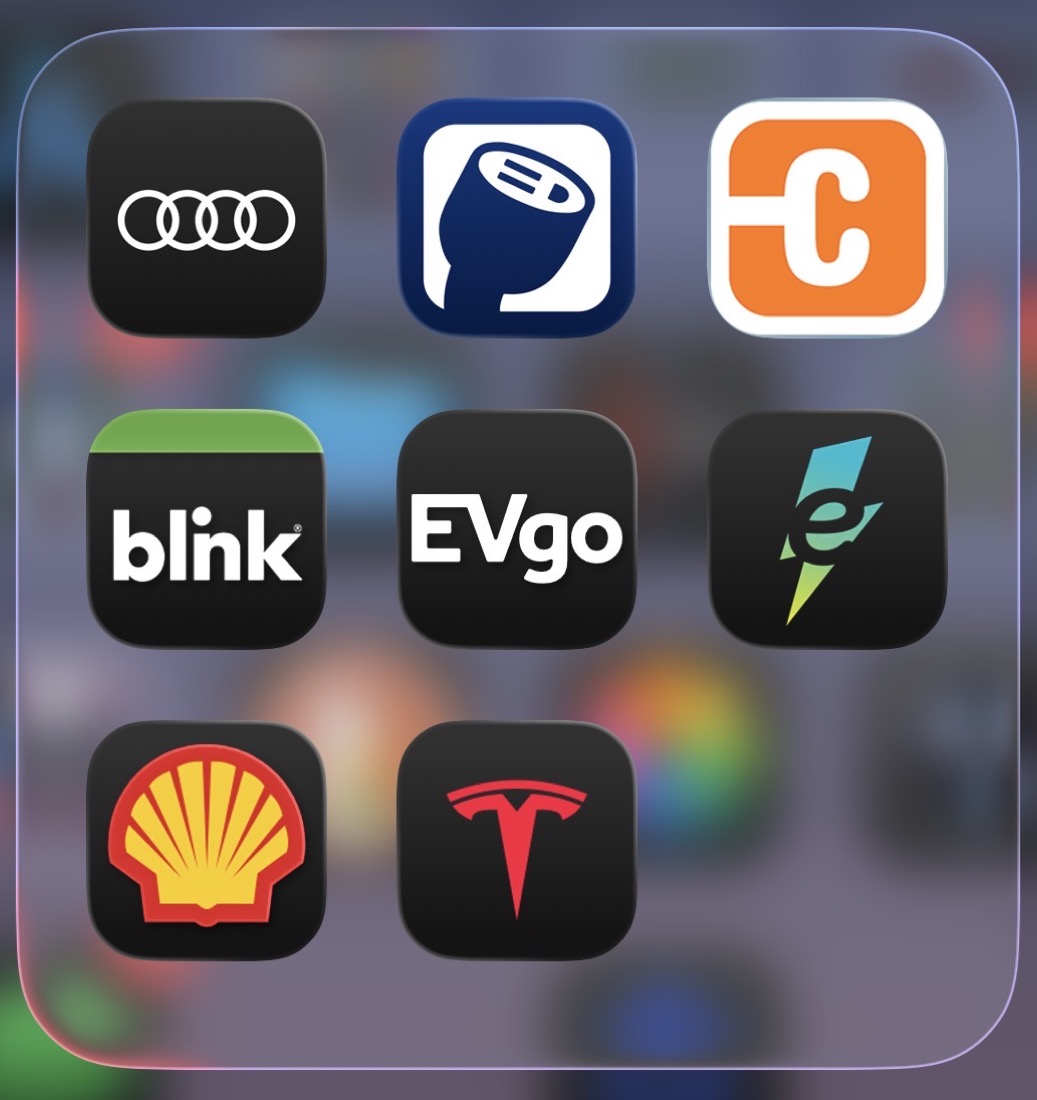
The real state of paying for a public charge: one phone, eight different apps, because every network wants its own account.
Cold weather and the heater eat your range
Your advertised range is a warm-day, easy-driving number. Run the heat or the AC hard, or drive in freezing weather, and real range drops noticeably. It is normal. Just don't plan a winter trip to the edge of the battery.
The money math, honestly
At home it usually wins. The U.S. average residential electricity price is about 18 cents per kWh (EIA). A 2022 Audi e-tron, rated at 78 MPGe, uses about 43 kWh per 100 miles (EPA), so home charging runs roughly 7 to 8 cents a mile. A comparable gas SUV around 25 mpg, with gas near $3.84 a gallon (AAA, July 2026), costs about 15 cents a mile — roughly double.
The catch: public DC fast charging is far pricier than home power and can cost as much as gas, sometimes more. The savings are real, but they come from charging at home, not from the car itself.
One way to soften the public-charging cost: a membership. You never need one — every network lets you pay per session. But if you fast-charge in public often, a paid membership lowers the per-kWh rate. Two worth knowing: Tesla's Supercharging Membership ($12.99/month) gives a non-Tesla EV the same rate Tesla drivers pay — without it, non-Tesla cars pay roughly 40% more at a Supercharger. Electrify America's Pass+ ($7/month) takes about 25% off. Each pays for itself in a few sessions if you charge in public a lot — and is a waste if you mostly charge at home.
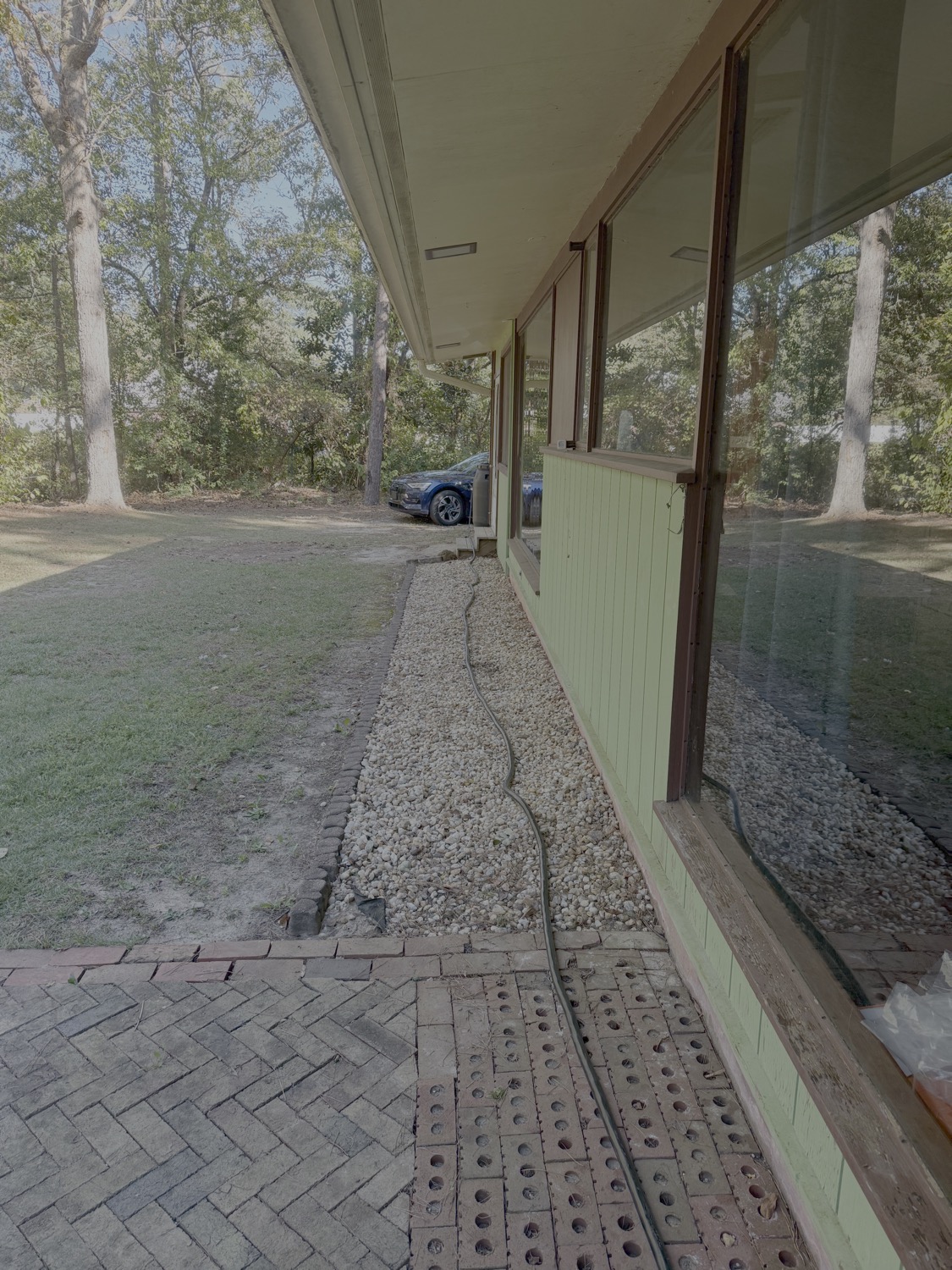
Home charging is where the savings live — even when getting there means two 25-foot cables joined to reach the outlet.
The bottom line
If you have a place to install a Level 2 charger, an EV is genuinely easy and cheaper to run day to day. If you'd depend on public charging, go in clear-eyed: learn your connector, keep backup stations and a couple of apps, and treat the range number as optimistic. The car is the easy part.
The Receipts
BL:UF doesn't ask you to trust us. Check our work:
- Federal $7,500 new / $4,000 used clean-vehicle credits ended for vehicles bought after Sept. 30, 2025 (One Big Beautiful Bill Act, P.L. 119-21) — Congress.gov CRS, "Clean Vehicle Tax Credits"
- 2022 Audi e-tron: 78 MPGe, ~43 kWh/100 mi — fueleconomy.gov
- National average gas price (~$3.84, July 2026) — AAA Fuel Prices
- Charging memberships: Tesla Supercharging Membership $12.99/mo (same rate as Tesla drivers; non-members pay ~40% more); Electrify America Pass+ $7/mo (~25% off) — Tesla Support; Electrify America pricing
- Non-Tesla Supercharger access needs a NACS-to-CCS adapter; buy OEM or UL 2252-certified — Tesla Support: Supercharging Other EVs; third-party adapters (e.g. Lectron, LENZ) ~$150–225, UL 2252-listed.
- Average U.S. residential electricity (~18¢/kWh) — EIA Electric Power Monthly