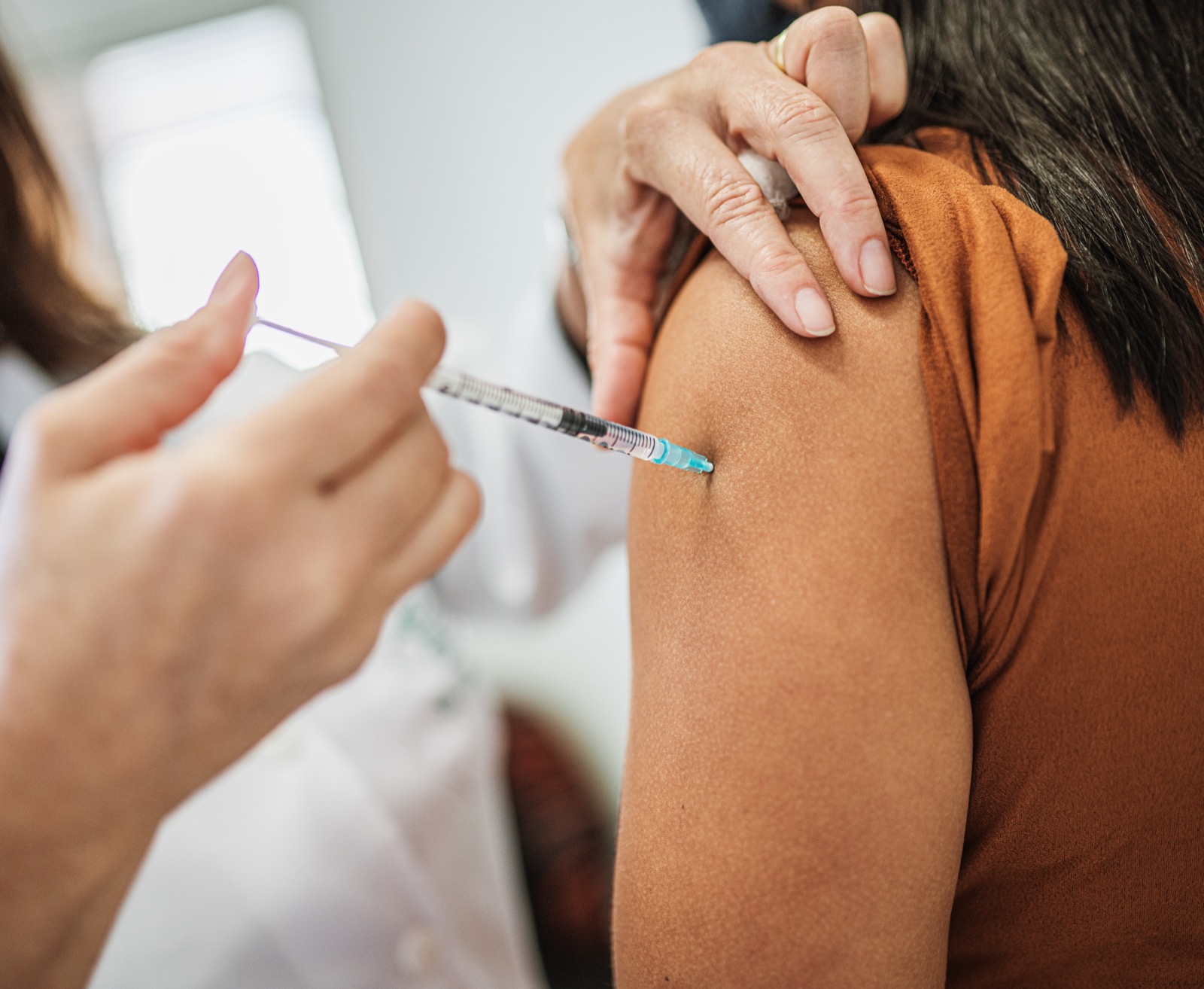
Here's a rare piece of unambiguous good news. A study published in The Lancet in June 2026, led by Professor Peter Sasieni at Queen Mary University of London, tracked cervical cancer deaths in England and found zero deaths among women aged 20–24 in 2020–2024 — the first group old enough to have been vaccinated against HPV as 12- and 13-year-olds. Without the vaccine, about 23 deaths would have been expected. The program has prevented an estimated ~200 cervical cancer deaths so far, which researchers call "the tip of the iceberg" as vaccinated generations age.
Why a shot can prevent a cancer
Nearly all cervical cancers — about 99% — are caused by HPV, a common virus spread by skin contact. Vaccinate before exposure and you cut off the cause. England began offering the jab to schoolgirls in 2008. The lead researcher put it plainly: "a single jab can almost eliminate a particular type of cancer."
What this means for you
- It's not just for girls. The UK made the program gender-neutral in 2019, and the US (CDC) recommends it for all preteens at 11–12. HPV also causes anal, throat, penile, and other cancers — a big reason boys are vaccinated too.
- It's not finished. UK coverage is around 76%, short of the 90% the WHO says is needed to eliminate the disease. Women vaccinated later (at 14–18) got less protection.
- Screening still matters. The vaccine doesn't replace cervical screening for women 25–64 — it makes a clear result far more likely.
The bottom line
A routine school vaccine is quietly turning one of the most common cancers in young women into a rarity. The job isn't done — but for the first vaccinated generation, the death rate is already zero.
Receipts: The Lancet (Sasieni et al., June 2026, Queen Mary University of London); BBC; WHO (HPV causes ~99% of cervical cancers); NHS / CDC (program scope).